Sehel Island
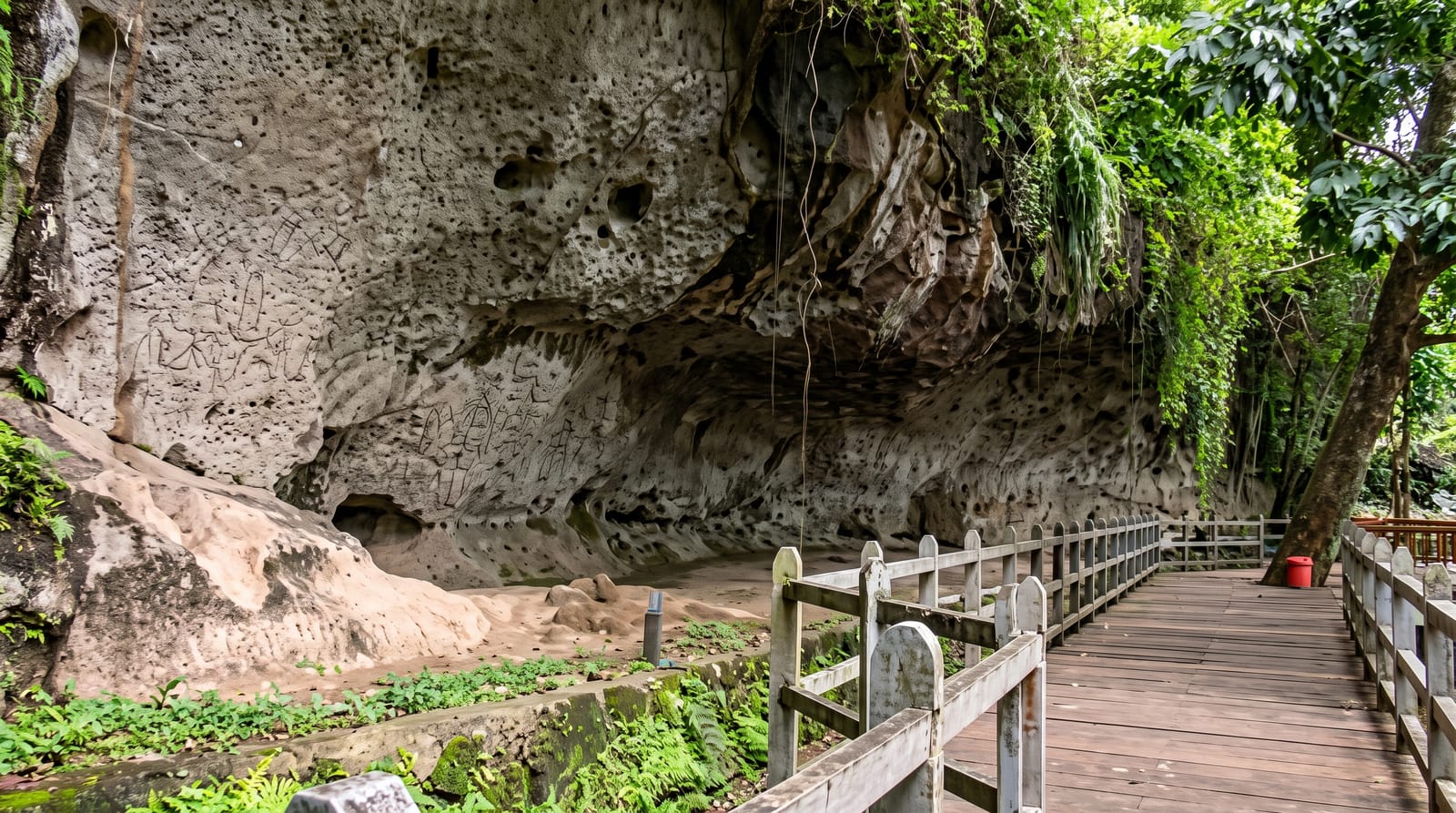
A granite island in the cataract covered with hundreds of rock inscriptions, including the Famine Stela.
Updated 31 August 2026
Sehel lies in the first cataract, and its two granite hills carry over two hundred and fifty rock inscriptions cut by travellers, officials and expedition leaders who passed this point on the way south, spanning the Old Kingdom to the Ptolemies. The best known is the Famine Stela, a Ptolemaic text carved in the third or second century BC but written as though it were a decree of the Third Dynasty king Djoser, describing a seven-year famine ended when Khnum was propitiated, and used as a claim on temple revenues. Others record expeditions, canal clearances at the cataract and prayers for safe passage. A Nubian village occupies part of the island, and the granite boulders and rapids around it are the reason boats once needed hauling through here.
Highlights
- The Famine Stela - a Ptolemaic text written as a decree of Djoser.
- Over two hundred inscriptions - expedition records cut into the granite.
- Cataract boulders and rapids - the obstacle that made the island a stopping point.
- A Nubian village - houses on the lower part of the island.
When to go
October to April. Half a day including the sail. Mornings or late afternoon for raking light on the inscriptions, which are hard to read in flat midday sun.
Things to know
The climb over the granite to the main inscription groups is on loose rock in full sun. Inscriptions are unlabelled and hard to find without a guide. Boat prices are negotiated. The island village is a residential place, not an attraction.
Nearby
Gharb Soheil faces the island; Aswan lies downstream through the cataract.
Key facts
Source: Wikidata, item Q1476222, read on 18 October 2026.
What to pack for Sehel Island
Chosen from what this place is for. Tap a kit for the full checklist.
- Comfortable walking shoes - Sightseeing means kilometres of pavement and cobbles daily. Find on Amazon
- Modest clothing - Shoulders and knees covered - the single most common requirement. Find on Amazon
- Shelter suited to the place - Tent, tarp or hut booking - match it to the terrain and rules. Find on Amazon
- A slim anti-theft daypack - Zips that close properly; keep it in front in crowds and on transit. Find on Amazon
Some links on this page are Amazon affiliate links - if you buy through them we may earn a small commission at no extra cost to you.
All packing kitsPlan your trip
Where to start if Sehel Island is going on the list.
Booking links on this page are affiliate links - if you book through them we may earn a small commission at no extra cost to you. It never changes what we write about a place.
Opening times, ticket prices and seasonal closures change - check the official source before you go: official site.