Antinoopolis
The city Hadrian founded in 130 AD for his drowned companion Antinous, now largely quarried away beneath a modern village.
Updated 18 October 2026
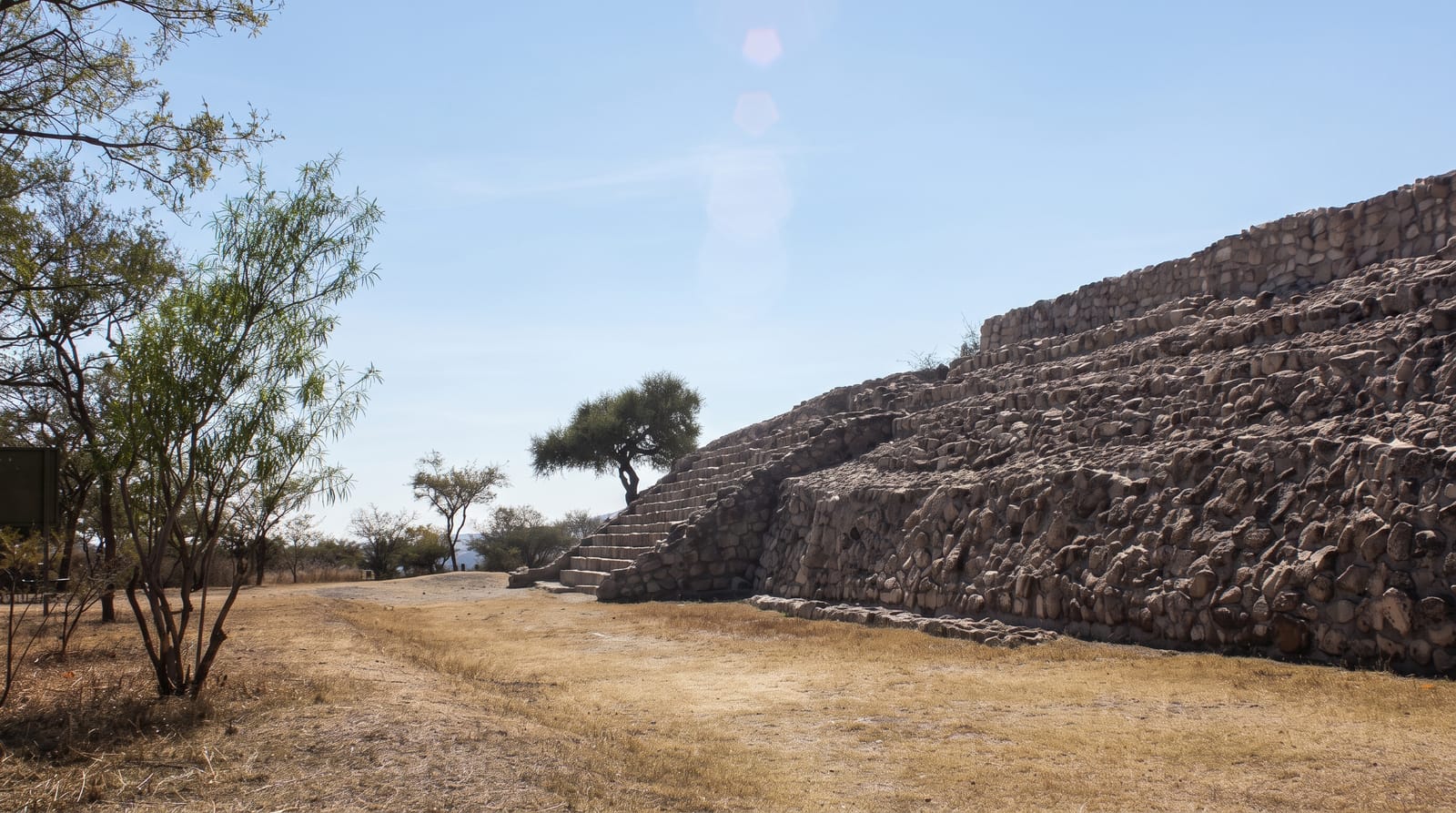
Antinous, a young Bithynian in Hadrian's entourage, drowned in the Nile in 130 AD, and the emperor responded by founding a Greek city on the east bank at the spot and by having Antinous declared a god, with a cult that spread widely across the empire. The city was laid out on a grid with colonnaded streets, a theatre, a hippodrome and temples, and it functioned into the Islamic period. Nineteenth-century travellers described substantial standing remains, and then a sugar factory and lime burners took the stone, so what is left is a large field of foundations, brick, column drums and cemeteries under and around the modern village of Sheikh Ibada. Italian excavations continue, and the site has produced large numbers of late antique textiles and portrait panels.
History
Long before Hadrian, the site was the town of Hir-we, where in the New Kingdom Ramesses II built a great temple to the gods of Khmun and Heliopolis. The emperor founded Antinoöpolis there in AD 130 as the cult centre of the deified Antinoüs, at the foot of the hill of the village of Besa, named after the god and oracle Bes, and joined it to the Red Sea port of Berenice by the Via Hadriana; the modern village on the site is Sheikh Ibada (Wikipedia, Antinoöpolis).
Highlights
- The street grid - the outline of a planned Roman Greek city.
- Column drums and foundations - what the lime burners left.
- Late antique cemeteries - the burial grounds that produced textiles and portraits.
- The riverbank setting - the stretch of Nile where Antinous drowned.
When to go
October to April. Two hours. Mornings are best. The site is genuinely obscure and receives almost no visitors; local guidance is needed to find the main areas.
Things to know
Very little stands and nineteenth-century engravings show far more than survives, which makes the visit an exercise in imagination. The modern village overlies much of it. Access to excavation areas is restricted. There is no signage and no facilities.
Nearby
Hermopolis and Tuna el-Gebel are across the river; Tell el-Amarna is south.
Key facts
Source: Wikidata, item Q124281, read on 18 October 2026.
What to pack for Antinoopolis
Chosen from what this place is for. Tap a kit for the full checklist.
- Comfortable walking shoes - Sightseeing means kilometres of pavement and cobbles daily. Find on Amazon
- Modest clothing - Shoulders and knees covered - the single most common requirement. Find on Amazon
- A slim anti-theft daypack - Zips that close properly; keep it in front in crowds and on transit. Find on Amazon
- A scarf or shawl - To cover the head or shoulders on entry; women especially at mosques. Find on Amazon
Some links on this page are Amazon affiliate links - if you buy through them we may earn a small commission at no extra cost to you.
All packing kitsPlan your trip
Where to start if Antinoopolis is going on the list.
Booking links on this page are affiliate links - if you book through them we may earn a small commission at no extra cost to you. It never changes what we write about a place.
Opening times, ticket prices and seasonal closures change - check the official source before you go: official site.