Hermopolis
The city of Thoth at Ashmunein, with colossal baboon statues and a Christian basilica built from a Ptolemaic temple.
Updated 19 October 2026
Hermopolis Magna, Khemenu to the Egyptians and el-Ashmunein now, was the cult centre of Thoth, god of writing and wisdom, and one of the older cities in Egypt with a creation tradition of its own involving eight primeval deities. The site is a large mound with scattered remains, of which two things stand out. Two colossal quartzite baboons, animals sacred to Thoth, survive from a group set up by Amenhotep III, seated and worn but still several metres high. And a Christian basilica of the fifth century stands with its granite columns re-erected, built directly out of a Ptolemaic temple whose material it reused, so a classical colonnade carries a church plan. Blocks from an Amarna temple were also found reused here.
History
Hermopolis, Khemenu to the Egyptians, took its Egyptian name from the eight deities of the Ogdoad said to live there, and it was the capital of the Hare nome, the fifteenth of Upper Egypt, from the Old Kingdom on. Standing on the border between Upper and Lower Egypt, it was a place of great wealth, second only to Thebes, with a toll post just south of the city where river traffic from the Thebaid paid dues, and its people buried their dead across the river at Beni Hasan. Its principal gods were Thoth, whom the Greeks identified with Hermes, shown as the ibis, and Set. It became a major city of the Roman province of Thebais Prima and an early Christian centre from the 3rd century, and it was abandoned after the Muslim conquest; its remains lie near el-Ashmunein, the modern town that keeps its Coptic name (Wikipedia, Hermopolis).
Highlights
- Colossal quartzite baboons - Thoth's sacred animals from Amenhotep III.
- The fifth-century basilica - granite columns re-erected on a church plan.
- Reused Ptolemaic temple stone - the material the basilica was built from.
- The city mound - the scattered remains of a major cult centre.
When to go
October to April. Two hours, easily combined with Tuna el-Gebel a short drive west. Mornings are cooler and better lit for the baboons.
What to expect
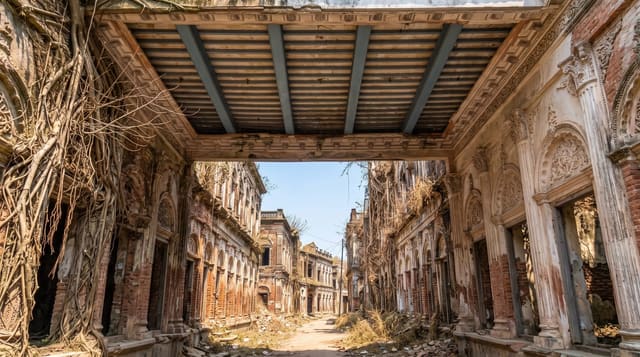
Much of the site is an unexcavated mound and there is little standing. Signage is minimal. The village presses against the edges and rubbish is a problem. Regional travel may involve police escort arrangements that affect timing.
Nearby
Tuna el-Gebel is west at the desert edge; Antinoopolis lies across the river.
Key facts
Source: Wikidata, item Q732908, read on 18 October 2026.
What to pack for Hermopolis
Chosen from what this place is for. Tap a kit for the full checklist.
- Loose, light, long clothing - Covering up beats bare skin in the desert - and locals dress this way for a reason. Find on Amazon
- Comfortable walking shoes - Sightseeing means kilometres of pavement and cobbles daily. Find on Amazon
- Modest clothing - Shoulders and knees covered - the single most common requirement. Find on Amazon
- A wide-brim hat + sunglasses - Shade for your face and eyes where there is none overhead. Find on Amazon
Some links on this page are Amazon affiliate links - if you buy through them we may earn a small commission at no extra cost to you.
All packing kitsPlan your trip
Where to start if Hermopolis is going on the list.
Booking links on this page are affiliate links - if you book through them we may earn a small commission at no extra cost to you. It never changes what we write about a place.
Opening times, ticket prices and seasonal closures change - check the official source before you go: official site.