Saint Sophia Cathedral
A green-domed Russian Orthodox cathedral of 1907 in Harbin, now a museum of the city's foreign-built history.
Updated 21 October 2026
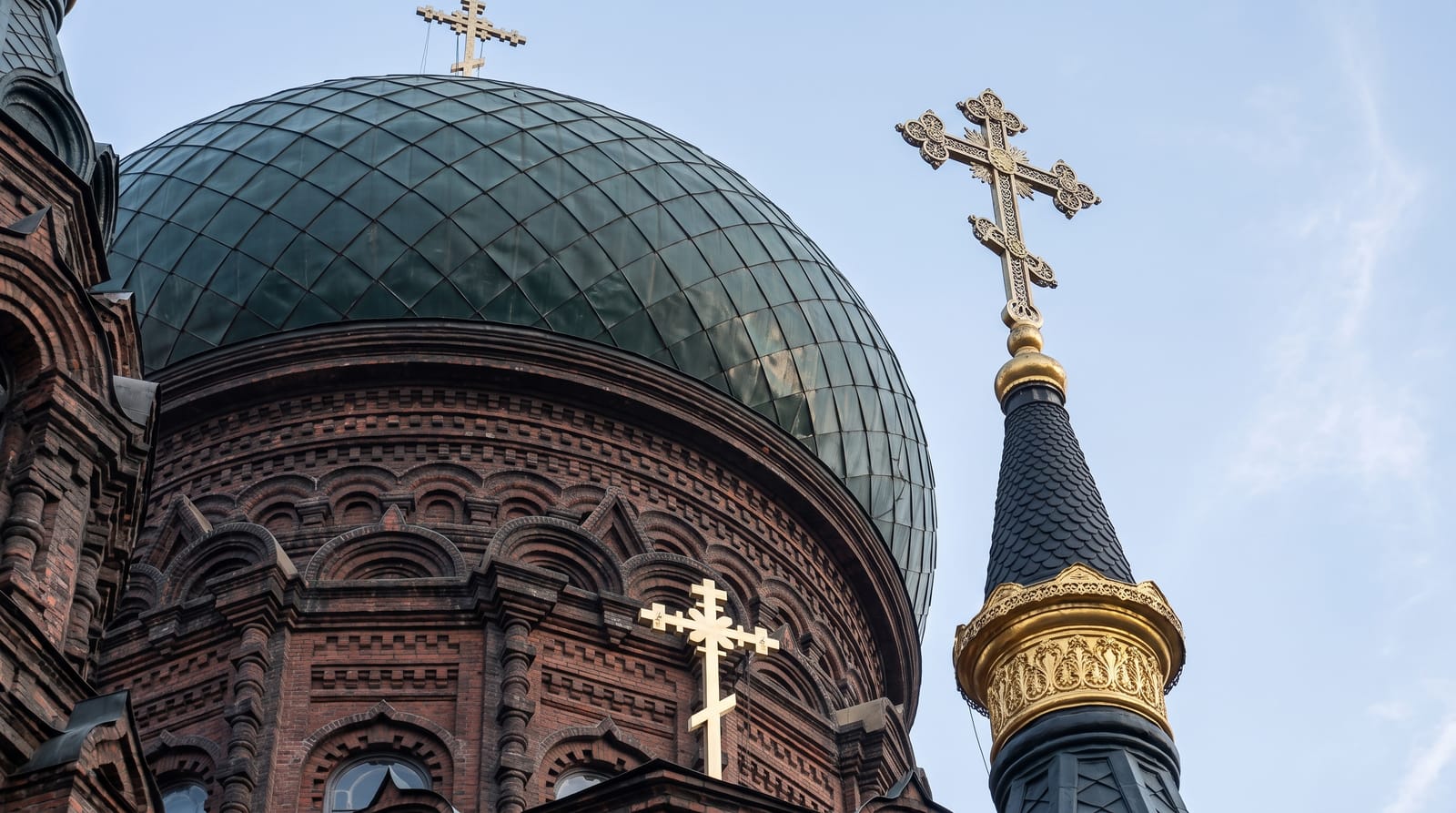
AI illustration
Saint Sophia was built in 1907 in wood as a garrison church for Russian troops on the Chinese Eastern Railway, and rebuilt in brick between 1923 and 1932 into the Byzantine-Revival building that stands now, with a green onion dome above a red brick mass, once the largest Orthodox church in the Far East. Harbin's Russian population left after the 1950s, the church was closed and for years used as a warehouse, and it was restored in 1997 as a museum of the city's architecture and history rather than as a working church. The square around it is one of the busiest public spaces in Harbin, and the building is floodlit at night.
History
St Sophia was first built of timber and finished in March 1907, after the railway linking the region to Russia was completed, as a church for the Russian army division stationed here. In 1921 Harbin had 300,000 people, a third of them Russian, and on 23 September 1923 the cornerstone of a larger church was laid; finished on 25 November 1932, the 53-metre cathedral, inspired by a church in Ukraine, was the largest Orthodox church in the Far East. Long closed and hemmed in by buildings, it was named a national heritage site in 1996, and donations from local people paid for its restoration (Wikipedia, Saint Sophia Cathedral, Harbin).
Highlights
- The green dome - the Byzantine-Revival cathedral in red brick.
- The interior museum - photographs and displays on Harbin's foreign-built history.
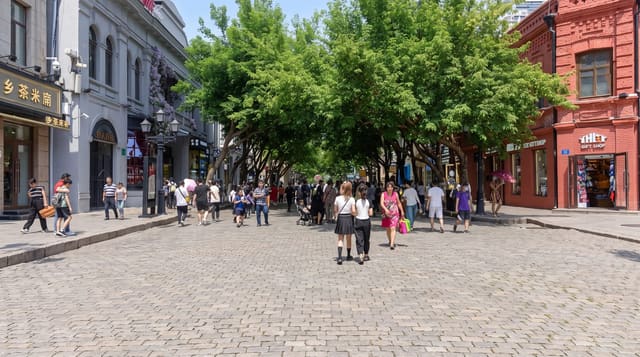
- The square - the plaza and pigeons around the building.
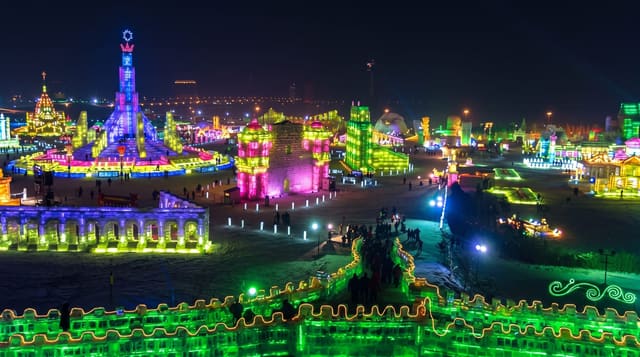
- The night lighting - the cathedral floodlit after dark.
When to go
Year-round; winter, when snow surrounds the building and the ice festival is on, is when most visitors come, though temperatures fall below minus twenty. Summer is mild and the square lively.
Practical notes
It is a museum rather than a functioning church, and the interior is modest compared with the exterior. The building is small inside and the visit brief. The surrounding square is crowded and commercial.
Nearby
Central Street is a short walk; the Songhua River lies north.
Key facts
Source: Wikidata, item Q1632027, read on 18 October 2026.
What to pack for Saint Sophia Cathedral
Chosen from what this place is for. Tap a kit for the full checklist.
- Warm base layers - Merino or synthetic against the skin - never cotton, which chills when damp. Find on Amazon
- Comfortable walking shoes - Sightseeing means kilometres of pavement and cobbles daily. Find on Amazon
- Modest clothing - Shoulders and knees covered - the single most common requirement. Find on Amazon
- An insulated + windproof jacket - A down or synthetic layer under a hard shell handles most cold. Find on Amazon
Some links on this page are Amazon affiliate links - if you buy through them we may earn a small commission at no extra cost to you.
All packing kitsPlan your trip
Where to start if Saint Sophia Cathedral is going on the list.
Booking links on this page are affiliate links - if you book through them we may earn a small commission at no extra cost to you. It never changes what we write about a place.
Opening times, ticket prices and seasonal closures change - check the official source before you go: official site.