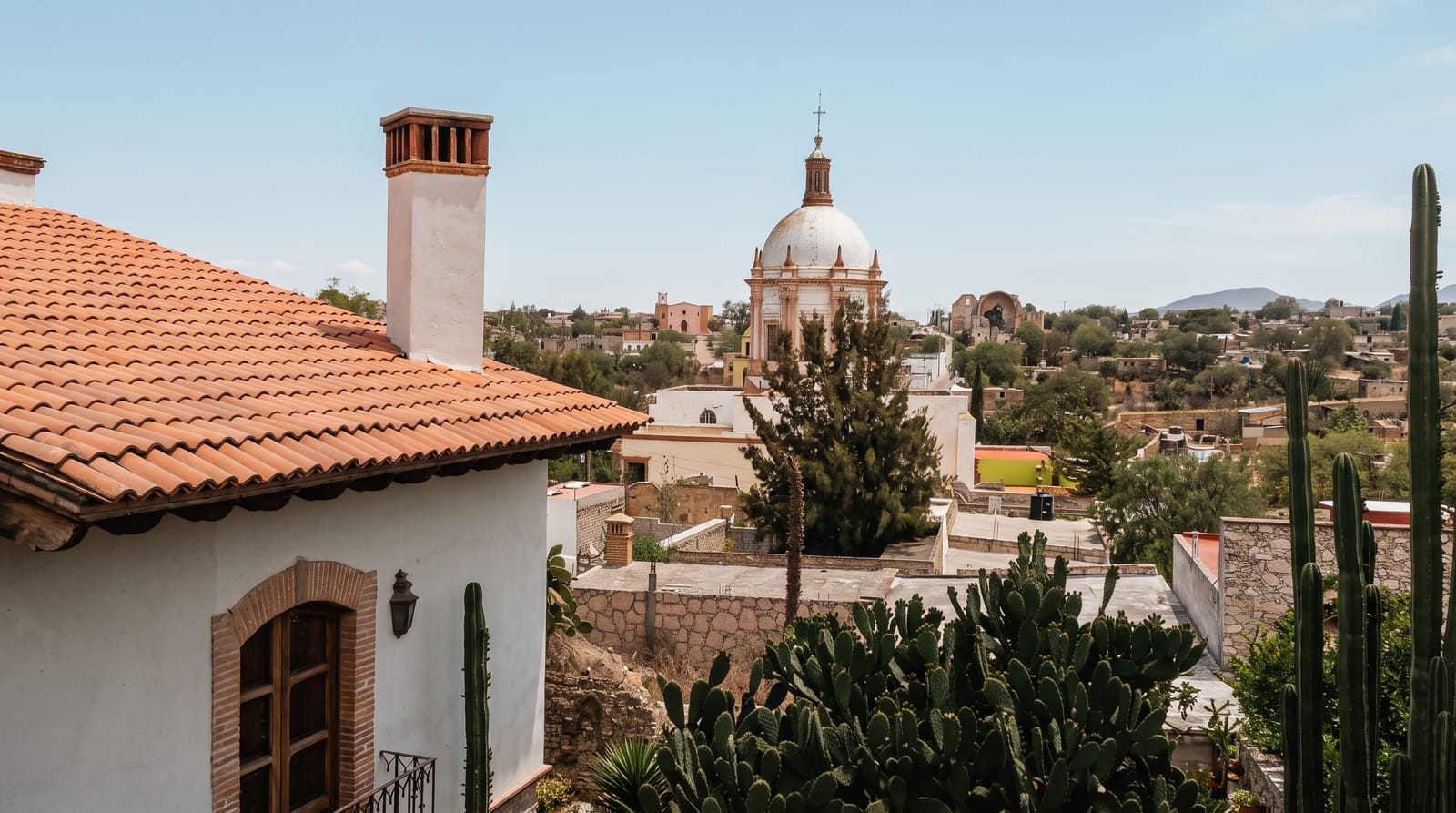
Domingos Martins
A German and Pomeranian mountain town in Espirito Santo where an otherwise vanished dialect is still spoken daily.
Updated 18 October 2026
German-speaking immigrants settled these hills from 1847, and a substantial part of them were Pomeranians from a region on the Baltic that was divided and largely emptied after 1945 - which means East Pomeranian, effectively extinct in Europe, survives here as a living everyday language in the villages around Domingos Martins and neighbouring Santa Maria de Jetiba. It is taught in some local schools. The town itself is small, cool at around five hundred metres, with a Lutheran church, a museum of immigration, half-timbered building in the surrounding districts, and a farm economy of coffee, vegetables and flowers. Pedra Azul is up the same road. Festivals through the year keep the German choral and band tradition going.
History
The town was founded in 1893 as Campinho, part of the colony of Santa Isabel; it began as a secondary district but soon outgrew the colony's capital and took over the title. It got its present name on 20 December 1921, in honour of Domingos José Martins, who took part in the Pernambucan revolt of 1817 and was executed in Salvador on 12 June that year. The Lutheran church on the town square, founded on 20 May 1866, is considered the first Protestant church in Brazil with a bell tower, at a time when only Catholic churches were allowed to build them (Wikipedia, Domingos Martins).
What to look for
- A living Pomeranian dialect - East Pomeranian spoken daily, effectively gone in Europe.
- Lutheran and half-timbered building - the immigrant fabric in the districts.
- An immigration museum - the record of the settlement from 1847.
- Cool highland farms - coffee, vegetables and flowers on the slopes.
When to go
April to September. Two days.
Before you go
The town centre is modest and the interest is in the surrounding districts, which need a car. The dialect is spoken among locals and is not performed for visitors. Cloud and drizzle are frequent. Weekends bring traffic from Vitoria.
Nearby
Pedra Azul is up the road; Santa Maria de Jetiba is north.
Key facts
Source: Wikidata, item Q616475, read on 18 October 2026.
What to pack for Domingos Martins
Chosen from what this place is for. Tap a kit for the full checklist.
- Comfortable walking shoes - Sightseeing means kilometres of pavement and cobbles daily. Find on Amazon
- A slim anti-theft daypack - Zips that close properly; keep it in front in crowds and on transit. Find on Amazon
- A refillable water bottle - Many cities have public fountains; save money and plastic. Find on Amazon
- A light layer + compact umbrella - For museum air-con and a sudden shower. Find on Amazon
Some links on this page are Amazon affiliate links - if you buy through them we may earn a small commission at no extra cost to you.
All packing kitsPlan your trip
Where to start if Domingos Martins is going on the list.
Booking links on this page are affiliate links - if you book through them we may earn a small commission at no extra cost to you. It never changes what we write about a place.
Opening times, ticket prices and seasonal closures change - check the official source before you go: official site.