Royal Manas National Park
Bhutan's oldest park, a tropical lowland on the Indian border with elephants, rhinos and tigers.
Updated 18 October 2026
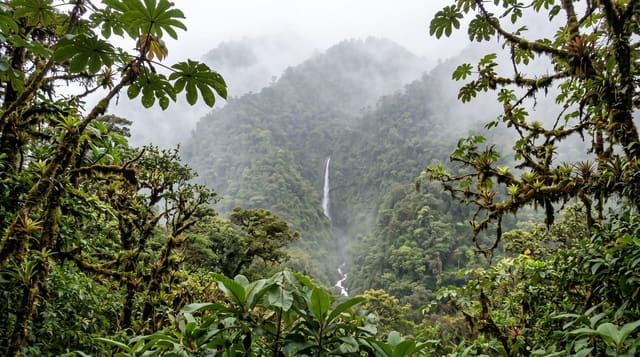
Royal Manas is the oldest protected area in Bhutan and lies along the Indian border in the southern lowlands, contiguous with Manas National Park on the Indian side, which together form one of the more significant conservation blocks in the eastern Himalayan foothills. The habitat is tropical and subtropical: sal forest, riverine grassland and floodplain, holding Asian elephants, greater one-horned rhinos, gaur, wild water buffalo, tigers and golden langurs, with the Manas river running through. Access has historically been difficult and the park saw very few visitors; a road to Panbang and river trips have opened it somewhat, and community-based tourism operates in villages on the edge. Facilities remain minimal and everything is arranged through an operator.
History
Royal Manas, Bhutan's oldest national park, was one of the first projects of the Bhutan Trust Fund in the early 1990s, which paid for its infrastructure and for baseline biological and socio-economic surveys. Bhutan's first park management plan was drawn up for it and then guided the management of the other parks (Wikipedia, Royal Manas National Park).
What you'll find
- Lowland tropical forest - sal woodland and riverine grassland.
- Large mammals - elephants, rhinos, gaur and buffalo in the floodplain.
- The Manas river - the waterway running through the park.
- Community tourism - village-based arrangements on the park edge.
When to go
November to March, the dry season, when access is possible and the heat is bearable. Monsoon floods the rivers, closes roads and makes the lowlands impassable. Summer heat and humidity are severe.
Before you go
Getting here is a long journey to the southern border and access is limited. Facilities are very basic. Wildlife sightings are far from guaranteed in dense forest, and there is nothing like the safari infrastructure of parks across the border. Malaria precautions are relevant in the lowlands.
Nearby
Jigme Singye Wangchuck park lies north; Gelephu is the western gateway.
Key facts
Source: Wikidata, item Q4280157, read on 18 October 2026.
What to pack for Royal Manas National Park
Chosen from what this place is for. Tap a kit for the full checklist.
- Broken-in walking shoes or boots - Grip and ankle support matter more than looks; never hike in brand-new boots. Find on Amazon
- Binoculars - The single best wildlife tool - even a compact pair transforms a sighting. Find on Amazon
- Strong insect repellent - DEET or picaridin; the jungle is where bites and disease risk are highest. Find on Amazon
- Layers + a waterproof shell - Mountain weather turns fast; a packable rain jacket saves the day. Find on Amazon
Some links on this page are Amazon affiliate links - if you buy through them we may earn a small commission at no extra cost to you.
All packing kitsPlan your trip
Where to start if Royal Manas National Park is going on the list.
Booking links on this page are affiliate links - if you book through them we may earn a small commission at no extra cost to you. It never changes what we write about a place.
Opening times, ticket prices and seasonal closures change - check the official source before you go: official site.