Robe
A limestone port of the 1840s where sixteen thousand Chinese miners landed to walk overland to the Victorian goldfields.
Updated 4 September 2026

AI illustration
Robe was proclaimed in 1846 and grew as a wool port, and its old streets keep limestone cottages, a gaol, customs house and hotels from that period. Its strangest chapter came in the late 1850s, when Victoria imposed a heavy landing tax on Chinese arrivals and shipping companies responded by dropping them in South Australia instead; around sixteen thousand men came ashore at Robe and walked some four hundred kilometres overland to the goldfields, an episode marked by a memorial. The Obelisk on Cape Dombey, a red-and-white striped navigation marker from 1855, stands on a cliff now eroding beneath it. Rock lobster fishing sustains the modern town.
What you'll find
- The Obelisk - the 1855 striped navigation marker on the eroding cliff.
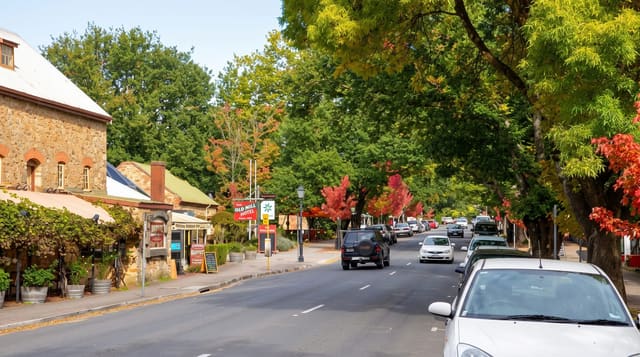
- The limestone streetscape - 1840s cottages, gaol ruins and hotels.
- The Chinese memorial - marking the 1857 landings and overland walk.
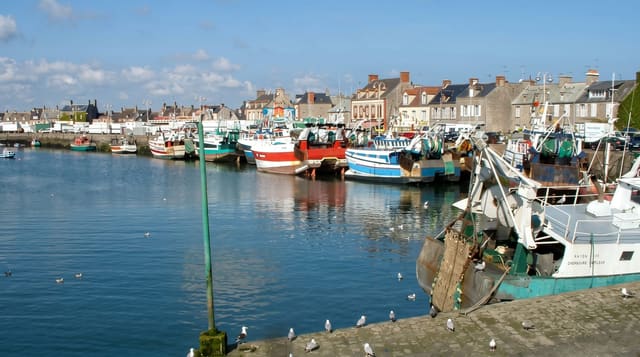
- The lobster fleet - the working boats in the harbour.
When to go
December to March for beach weather; summer holidays fill the town completely and accommodation prices rise sharply. Winter is cold, windy and quiet. The lobster season affects what is available on menus.
Things to know
Summer accommodation is expensive and books out months ahead. The Obelisk's cliff is actively collapsing and access has been restricted. Outside summer the town is very quiet with limited dining.
Nearby
Beachport lies south; the Coorong stretches northwest along the coast.
What to pack for Robe
Chosen from what this place is for. Tap a kit for the full checklist.
- Travel rod + reel - A packable multi-piece rod fits in a case and covers most holiday fishing. Find on Amazon
- Comfortable walking shoes - Sightseeing means kilometres of pavement and cobbles daily. Find on Amazon
- A small tackle selection - Hooks, weights, line and a few lures or flies suited to local waters. Find on Amazon
- A slim anti-theft daypack - Zips that close properly; keep it in front in crowds and on transit. Find on Amazon
Some links on this page are Amazon affiliate links - if you buy through them we may earn a small commission at no extra cost to you.
All packing kitsPlan your trip
Where to start if Robe is going on the list.
Booking links on this page are affiliate links - if you book through them we may earn a small commission at no extra cost to you. It never changes what we write about a place.
Opening times, ticket prices and seasonal closures change - check the official source before you go: official site.