Bugoynes
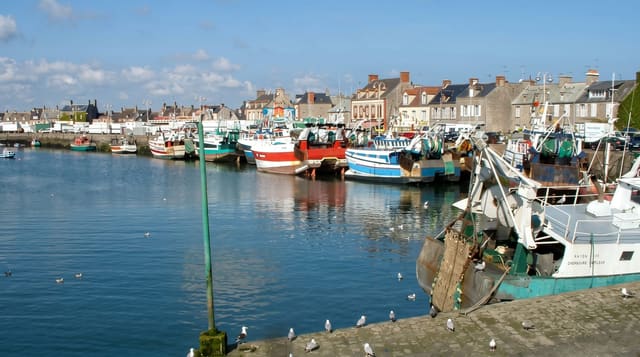
A Finnish-speaking fishing village on the Varangerfjord, spared in 1944 and now known for king crab and sauna bathing.
Updated 21 October 2026

AI illustration
Bugoynes was first settled by Norwegians in the seventeenth century, later deserted and resettled in the eighteenth century largely by Kven, Finnish-speaking migrants who came to Finnmark for fishing and work, and the community kept the language and customs well into the twentieth century; signs in the village are in Norwegian and Finnish. It was one of the few settlements in eastern Finnmark not burned in the 1944 retreat, so its older timber buildings survive. In the 1990s the village faced collapse as fishing declined and famously advertised itself for sale; what saved it was the red king crab, an introduced species that spread along this coast and now supports a fishery and a tourist trade in crab safaris. Sauna and cold-water bathing on the fjord shore has become a second draw.
History
Norwegians first settled here in the 17th century but later left, and Kven people from Finland resettled the place in the 18th century; the name means "bay island headland". Until the road arrived in 1962 the village's link with the world was by sea, most often to Vadsø across the Varangerfjord (Wikipedia, Bugøynes).
What you'll find
- The Kven heritage - a Finnish-speaking community with bilingual signage.
- The surviving buildings - timber houses spared in the 1944 destruction.
- The king crab fishery - boats and safaris built on an introduced species.
- The shore sauna - fjord-side sauna and cold bathing sessions.
When to go
June to August for the midnight sun, boat trips and the mildest weather; December to March for the aurora and winter bathing. Crab safaris run year-round, weather permitting.
What to expect
The village is small and remote, a forty-kilometre detour from the E6, with limited accommodation and eating. Crab safaris and sauna sessions must be booked. The king crab is an invasive species with serious ecological effects, a point local operators discuss openly.
Nearby
Kirkenes and the Russian border lie east; Vadso and the Varanger peninsula are north.
Key facts
Source: Wikidata, item Q3236756, read on 18 October 2026.
What to pack for Bugoynes
Chosen from what this place is for. Tap a kit for the full checklist.
- Travel rod + reel - A packable multi-piece rod fits in a case and covers most holiday fishing. Find on Amazon
- Binoculars - The single best wildlife tool - even a compact pair transforms a sighting. Find on Amazon
- Spare batteries + cards - Cold and long shoots drain power; never run out at the good light. Find on Amazon
- Warm base layers - Merino or synthetic against the skin - never cotton, which chills when damp. Find on Amazon
Some links on this page are Amazon affiliate links - if you buy through them we may earn a small commission at no extra cost to you.
All packing kitsPlan your trip
Where to start if Bugoynes is going on the list.
Booking links on this page are affiliate links - if you book through them we may earn a small commission at no extra cost to you. It never changes what we write about a place.
Opening times, ticket prices and seasonal closures change - check the official source before you go: official site.