The Balashi Gold Mill
The stone shell of a gold processing mill at the head of Spanish Lagoon, abandoned when the ore ran out in 1916.
Saved in this browser only - no account, nothing sent anywhere. See your map
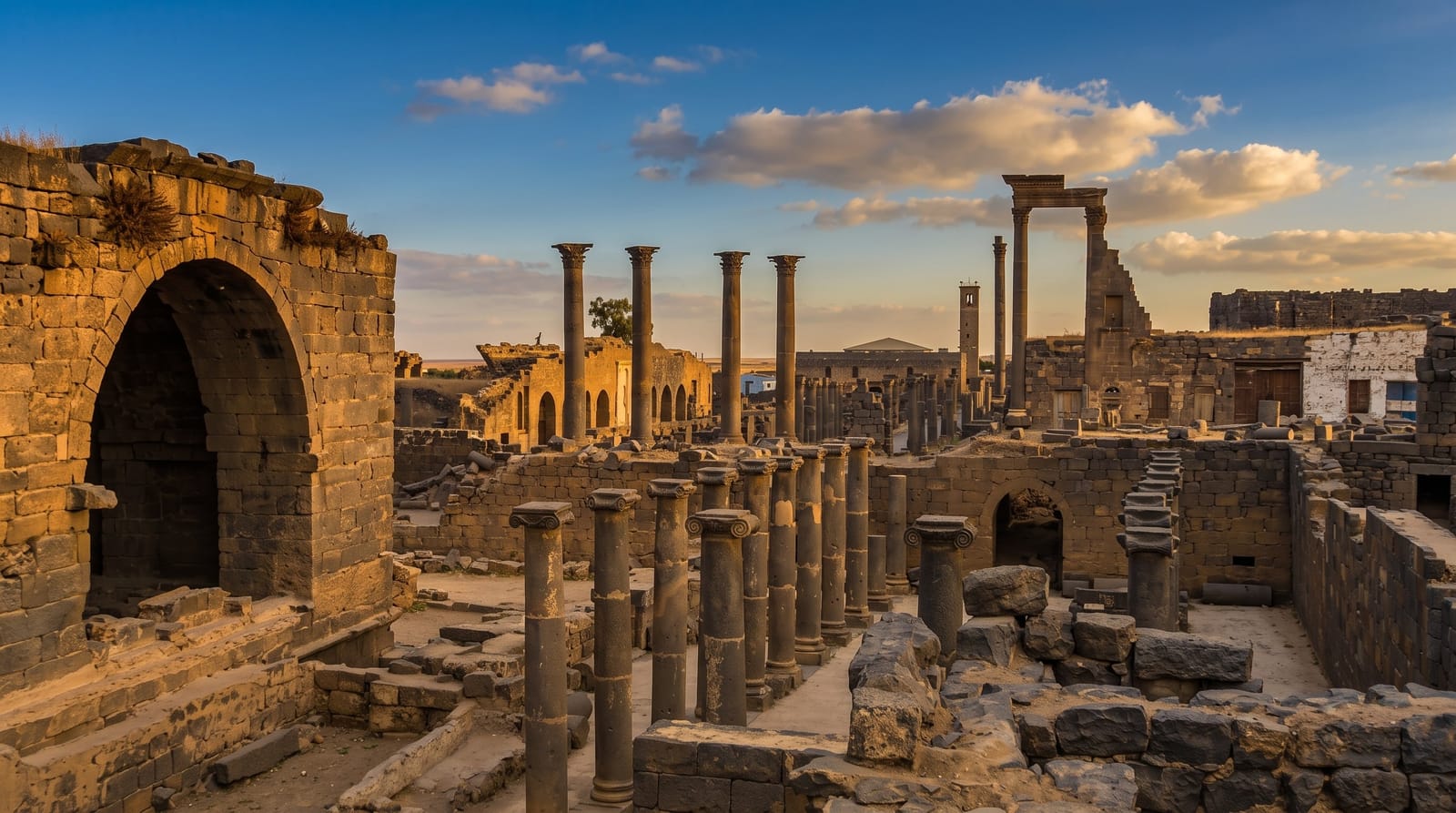
Gold was found on Aruba in 1824 and the island produced it in commercial quantity for most of the nineteenth century, with two processing mills built to crush and treat the ore: Bushiribana on the north coast and Balashi at the head of Spanish Lagoon. Balashi was the later and larger, built in 1899, and it operated until the workable ore ran out in 1916, after which it was abandoned where it stood. The stone walls, arches and foundations remain in the scrub beside the lagoon, with the mangroves behind and cactus growing out of the masonry. It is free, unfenced and usually empty.
What you actually see
- The mill ruins - stone walls, arches and foundations in the scrub.
- The lagoon setting - mangroves and water immediately behind.
- The 1899 to 1916 span - the whole working life of the mill.
- Bushiribana - the earlier mill on the north coast, also standing.
When to go
Year-round. Early morning and late afternoon for tolerable heat and better light. It takes half an hour. The track in is rough but short. Combine it with Spanish Lagoon and Frenchman's Pass.
Honest expectations
It is a ruin in scrub with no interpretation, no fencing and no facilities. The masonry is unstable in places and climbing on it is a bad idea. The desalination plant is nearby and visible. Half an hour covers it; it works as part of a circuit rather than a destination.
Nearby
Spanish Lagoon is alongside; Frenchman's Pass runs past it.
What to pack for The Balashi Gold Mill
Chosen from what this place is for. Tap a kit for the full checklist.
Opening times, ticket prices and seasonal closures change - check the official source before you go: official site.