The Colosseum
The greatest amphitheatre of the Roman world - a colossal arena where gladiators fought before fifty thousand, the enduring symbol of Rome, a UNESCO site.
Updated 16 October 2026

AI illustration
UNESCO World Heritage
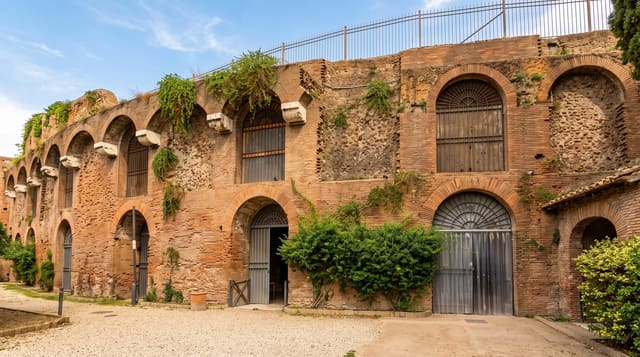
The Colosseum is the greatest amphitheatre of the ancient world, a colossal ring of arches raised in the first century where up to fifty thousand Romans watched gladiators, beasts and mock battles. The enduring symbol of Rome and a UNESCO site, its towering ruined walls and the exposed underground chambers where men and animals waited still awe two thousand years on.
Background
Building began under the Emperor Vespasian in 72 and ended in AD 80 under Titus, who succeeded him. As both belonged to the Flavian dynasty, later classicists and archaeologists named it the Flavian Amphitheatre. The Latin name "Colosseum" was in use by the year 1000, taken from the nearby Colossus Solis, a giant bronze of Nero as a sun god that Hadrian had moved beside the arena. It is built of travertine, Roman concrete and tuff, and crowds averaged some 65,000. Shows ended in the early medieval era, and the building went on to serve for homes, workshops, a religious order, quarrying and a Christian shrine. It appears on the Italian 5 euro cent coin.
Source: Wikipedia, "Colosseum"
What to look for
- The great arena - the towering ring of arches and the tiered seating.
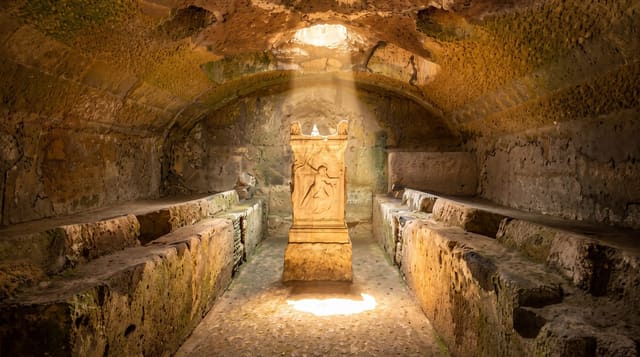
- The underground - the exposed hypogeum where gladiators and animals waited.
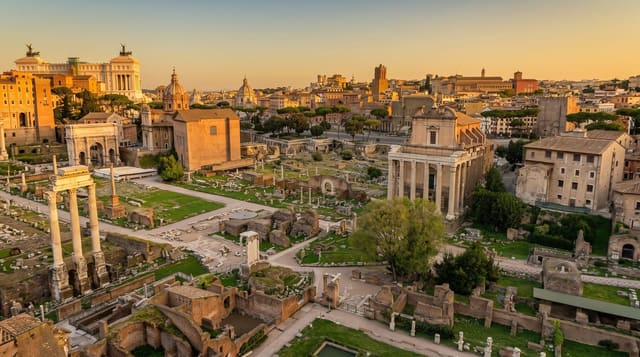
- The Roman Forum and Palatine - the ruins of the ancient city centre alongside.
- The Arch of Constantine - the great triumphal arch beside it.
When to go
Spring and autumn for mild weather; summer is very hot and crowded. Book a timed ticket ahead and go early or late to avoid the worst queues and heat.
Before you go
It is one of the most visited sights in the world, so book ahead and expect crowds and queues, especially in summer. The combined ticket includes the Forum and Palatine, which need time and shade. Beware costumed touts and ticket scams outside.
Nearby
The Roman Forum and Palatine Hill are alongside; the Trevi Fountain and Pantheon are a walk away.
Key facts
Source: Wikidata, item Q10285, read on 18 October 2026.
What to pack for The Colosseum
Chosen from what this place is for. Tap a kit for the full checklist.
- Head torch + spare batteries - Hands-free light is essential; caves are truly dark. Find on Amazon
- Comfortable walking shoes - Sightseeing means kilometres of pavement and cobbles daily. Find on Amazon
- Modest clothing - Shoulders and knees covered - the single most common requirement. Find on Amazon
- Grippy closed shoes - Cave floors are wet, muddy and slick with formations. Find on Amazon
Some links on this page are Amazon affiliate links - if you buy through them we may earn a small commission at no extra cost to you.
All packing kitsPlan your trip
Where to start if The Colosseum is going on the list.
Booking links on this page are affiliate links - if you book through them we may earn a small commission at no extra cost to you. It never changes what we write about a place.
Opening times, ticket prices and seasonal closures change - check the official source before you go: official site.