San Salvador de Jujuy
The provincial capital where the Andes meet the subtropics, with a cathedral holding a masterpiece of colonial woodcarving and a strong northern character.
Updated 18 October 2026
AI illustration
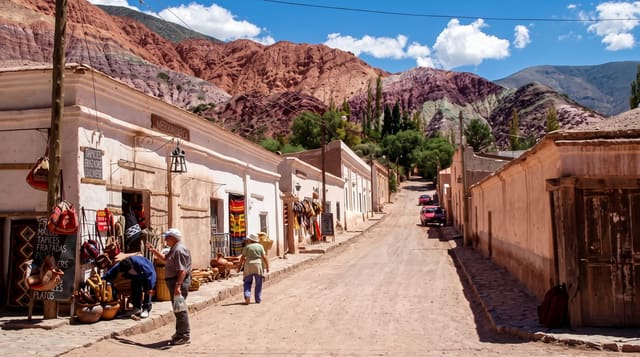
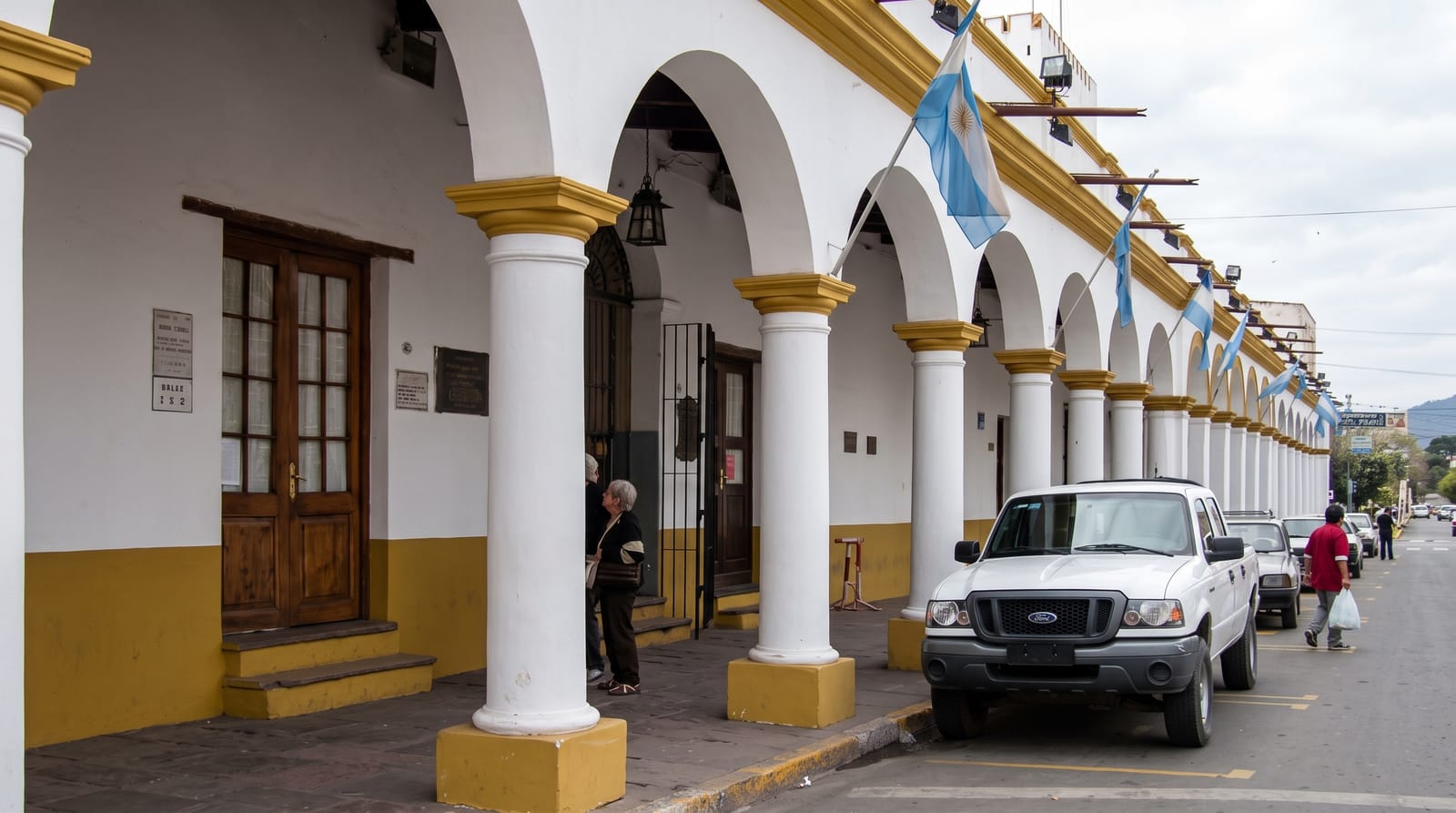
San Salvador de Jujuy, usually just Jujuy, sits in a green valley where the subtropical lowlands give way to the Andes, and it is the working capital of Argentina's most indigenous province rather than a polished tourist town. Its centre gathers around Plaza Belgrano, faced by the cathedral, whose great gilded pulpit, carved and gilded in the eighteenth century by local craftsmen, is among the finest pieces of colonial woodwork in the country. Across the square the colonial-era Cabildo and the government house hold historic rooms and the flag that Belgrano gave the province. Markets nearby sell coca leaf, cheeses and Andean produce brought down from the highlands, and the food here leans northern: tamales, humitas and empanadas jujeñas rather than the beef of the pampas.
History
Late in 1535 a foraging party of Diego de Almagro's expedition to Chile fought local men here, and Almagro sent 80 men who drove them from a fortified pucará; after attempts in 1565 and 1592, Francisco de Argañarás y Murguía founded the city on 19 April 1593 as San Salvador de Velazco en el Valle de Jujuy, a stop on the mule route between Tucumán and the silver mines of Potosí. It was most important in colonial times and became a remote provincial capital after independence, capital of the new province of Jujuy when it split from Salta in 1834; the earthquake of 1863 levelled it, and it recovered slowly until the Northern Central Railway arrived in 1900 (Wikipedia, San Salvador de Jujuy).
What to look for
- The cathedral pulpit - the eighteenth-century gilded woodcarving, the city's treasure.
- Plaza Belgrano - the leafy main square with the Cabildo and government house.
- The central market - Andean produce, cheeses, herbs and northern street food.
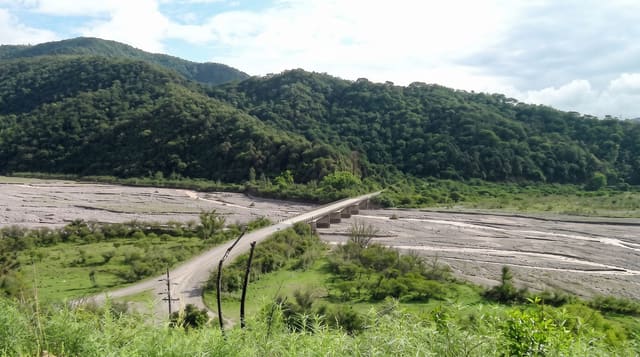
- The valley setting - green subtropical hills closing in around the city.
When to go
April to November is dry and comfortable; summers are hot and humid with heavy afternoon storms. Most travellers use the city as a first or last night before heading up the gorge. Carnival in February and the August Pachamama observances bring the province alive.
Things to know
Jujuy is a functional provincial capital, not a preserved colonial jewel, and much of the centre is modern and busy with traffic. The main sights amount to a half-day. Most visitors treat it as a gateway and sleep in Purmamarca or Tilcara instead, which is a fair call.
Nearby
The Quebrada de Humahuaca begins an hour north; Termas de Reyes and the Yala lakes lie west.
Key facts
Source: Wikidata, item Q44217, read on 18 October 2026.
What to pack for San Salvador de Jujuy
Chosen from what this place is for. Tap a kit for the full checklist.
- Strong insect repellent - DEET or picaridin; the jungle is where bites and disease risk are highest. Find on Amazon
- Comfortable walking shoes - Sightseeing means kilometres of pavement and cobbles daily. Find on Amazon
- Modest clothing - Shoulders and knees covered - the single most common requirement. Find on Amazon
- Shelter suited to the place - Tent, tarp or hut booking - match it to the terrain and rules. Find on Amazon
Some links on this page are Amazon affiliate links - if you buy through them we may earn a small commission at no extra cost to you.
All packing kitsPlan your trip
Where to start if San Salvador de Jujuy is going on the list.
Booking links on this page are affiliate links - if you book through them we may earn a small commission at no extra cost to you. It never changes what we write about a place.
Opening times, ticket prices and seasonal closures change - check the official source before you go: official site.