Mburucuyá National Park
A quiet Corrientes park where palm savanna, marsh and forest meet, donated by a Danish botanist who spent his life studying it.
Updated 18 October 2026
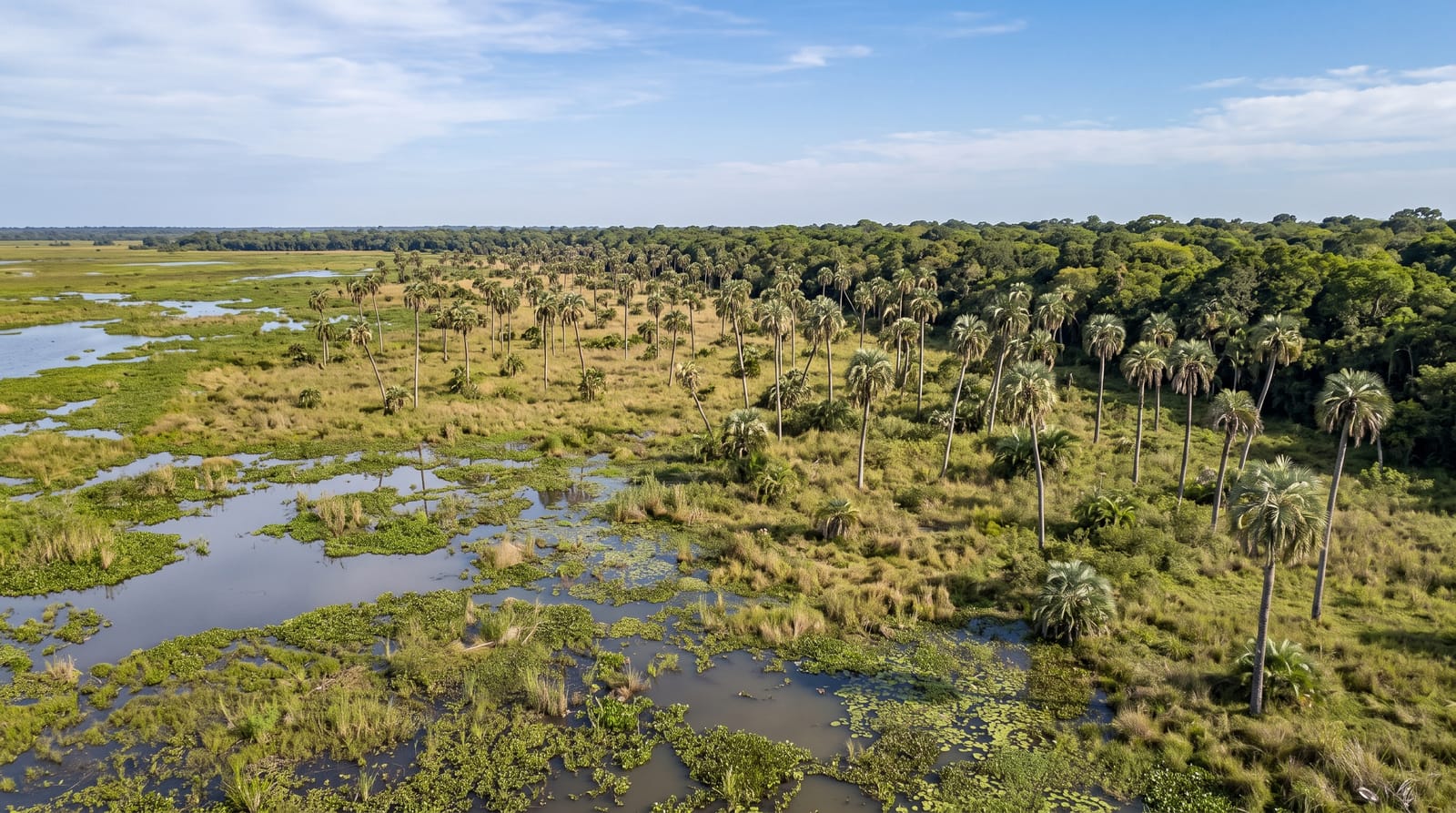
AI illustration
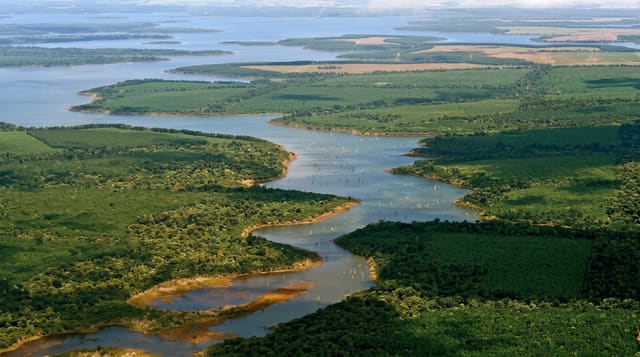
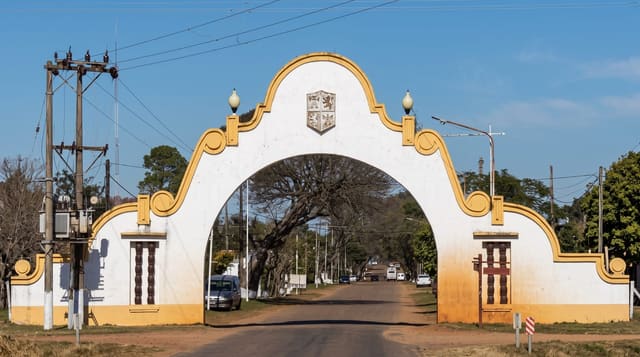
Mburucuyá protects a stretch of central Corrientes where several landscapes meet: caranday palm savanna, chaco woodland, marsh and lagoon, and the wet grasslands that link the region to the Iberá wetlands further south. The park exists because of Troels Pedersen, a Danish-Argentine botanist who lived on the estancia here for decades, collected thousands of plant specimens and left the land to the state in the 1990s on condition it became a national park. His house and the estancia buildings survive within it. Wildlife is abundant and easy to see: capybaras, marsh deer, howler monkeys, caimans and more than three hundred bird species, with trails, boardwalks over the marsh and a campsite.
History
People lived in the area around 5,000 years ago, and later the Guaraní farmed it, growing maize, squash, beans, cassava, cotton and yerba mate; under Spanish colonisation many of their settlements were taken over and changed, and large-scale farming cleared much of the native forest. The national park came about in the 20th century, when the botanist Troels Pedersen gave the land for it (Wikipedia, Mburucuyá National Park).
What's there
- The palm savanna - caranday palms standing across open wet grassland.
- The marsh boardwalks - raised walkways over lagoon and reed beds.
- The estancia buildings - the botanist's house preserved inside the park.
- The wildlife - capybaras, marsh deer, howler monkeys and abundant birds.
When to go
April to October, the drier and cooler months, when tracks are passable and insects fewer; summer brings heavy rain, heat and mosquitoes. Early morning is best for wildlife and howler monkey calls. Rain can close the unpaved access road.
Things to know
This is a little-visited park with basic facilities, no shop and no fuel nearby. The final road is unpaved and difficult after rain. Ticks and mosquitoes are a genuine nuisance, and trails can be muddy for long stretches.
Nearby
Mburucuyá town is the gateway; the Iberá wetlands lie south.
Key facts
Source: Wikidata, item Q829771, read on 18 October 2026.
What to pack for Mburucuyá National Park
Chosen from what this place is for. Tap a kit for the full checklist.
- Broken-in walking shoes or boots - Grip and ankle support matter more than looks; never hike in brand-new boots. Find on Amazon
- Reef-safe sunscreen - High SPF that will not bleach the coral you are swimming over. Find on Amazon
- Binoculars - The single best wildlife tool - even a compact pair transforms a sighting. Find on Amazon
- Shelter suited to the place - Tent, tarp or hut booking - match it to the terrain and rules. Find on Amazon
Some links on this page are Amazon affiliate links - if you buy through them we may earn a small commission at no extra cost to you.
All packing kitsPlan your trip
Where to start if Mburucuyá National Park is going on the list.
Booking links on this page are affiliate links - if you book through them we may earn a small commission at no extra cost to you. It never changes what we write about a place.
Opening times, ticket prices and seasonal closures change - check the official source before you go: official site.