Rajaji National Park
Sal forest at the Himalayan foot holding elephants, tigers and the seasonal camps of Van Gujjar herders.
Updated 19 October 2026
AI illustration
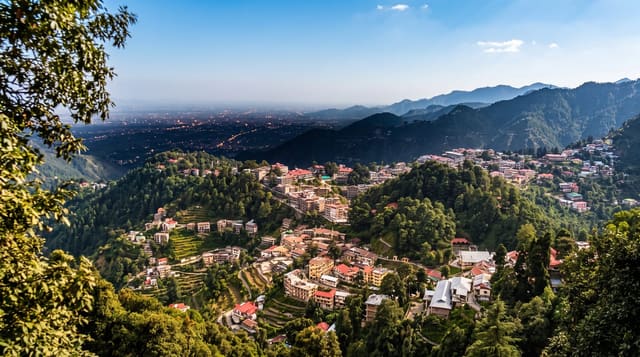
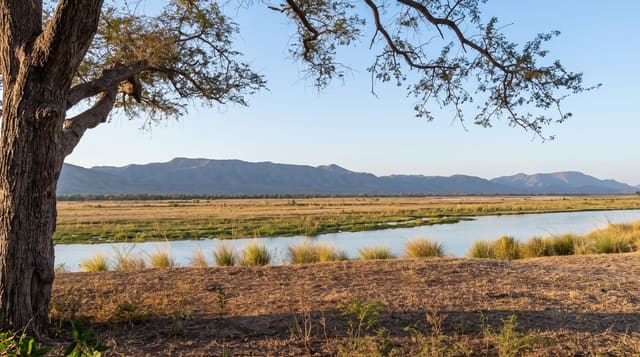
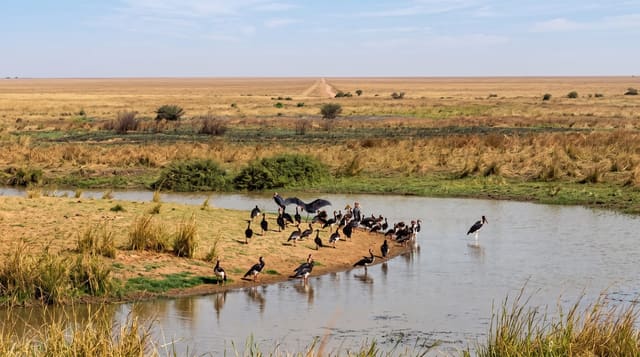
Rajaji covers around eight hundred and twenty square kilometres of sal forest, riverbed and grassland where the Himalaya meet the Gangetic plain, and it forms the northwestern limit of the Asian elephant's range in India, with a population of several hundred. Tigers, leopards, sloth bears, gharial in the Ganges stretch and over three hundred bird species share it. The park is crossed by the Ganges at Chilla, where the canal road gives good elephant sightings. Van Gujjar buffalo herders traditionally used the forest seasonally, and their movement in and out of the park has shaped its management debates.
History
The area was made the Rajaji Sanctuary in 1948, and in 1983 the Rajaji, Motichur and Chilla sanctuaries were merged into Rajaji National Park. In 2015 the government approved making it a tiger reserve (Wikipedia, Rajaji National Park).
What's there
- The elephants - the northwestern limit of the species in India.
- The sal forest - tall broadleaf woodland at the Himalayan foot.
- The Chilla canal road - a reliable stretch for elephant and deer sightings.
- The birdlife - over three hundred species including hornbills and raptors.
When to go
November to June; the park closes in the monsoon from mid-June to mid-November. March to June gives the best sightings as water concentrates, though heat is severe.
Practical notes
Tiger sightings are rare here compared with the central Indian parks. Elephants can be aggressive and safaris keep distance. Zones open and close separately and should be checked before booking.
Nearby
Haridwar and Rishikesh lie alongside; Dehradun is northwest.
Key facts
Source: Wikidata, item Q181933, read on 18 October 2026.
What to pack for Rajaji National Park
Chosen from what this place is for. Tap a kit for the full checklist.
- Broken-in walking shoes or boots - Grip and ankle support matter more than looks; never hike in brand-new boots. Find on Amazon
- Binoculars - The single best wildlife tool - even a compact pair transforms a sighting. Find on Amazon
- Strong insect repellent - DEET or picaridin; the jungle is where bites and disease risk are highest. Find on Amazon
- Layers + a waterproof shell - Mountain weather turns fast; a packable rain jacket saves the day. Find on Amazon
Some links on this page are Amazon affiliate links - if you buy through them we may earn a small commission at no extra cost to you.
All packing kitsPlan your trip
Where to start if Rajaji National Park is going on the list.
Booking links on this page are affiliate links - if you book through them we may earn a small commission at no extra cost to you. It never changes what we write about a place.
Opening times, ticket prices and seasonal closures change - check the official source before you go: official site.