Corrientes
A subtropical river capital of orange trees and colonial streets, home of chamamé music and one of Argentina's great carnivals.
Updated 18 October 2026
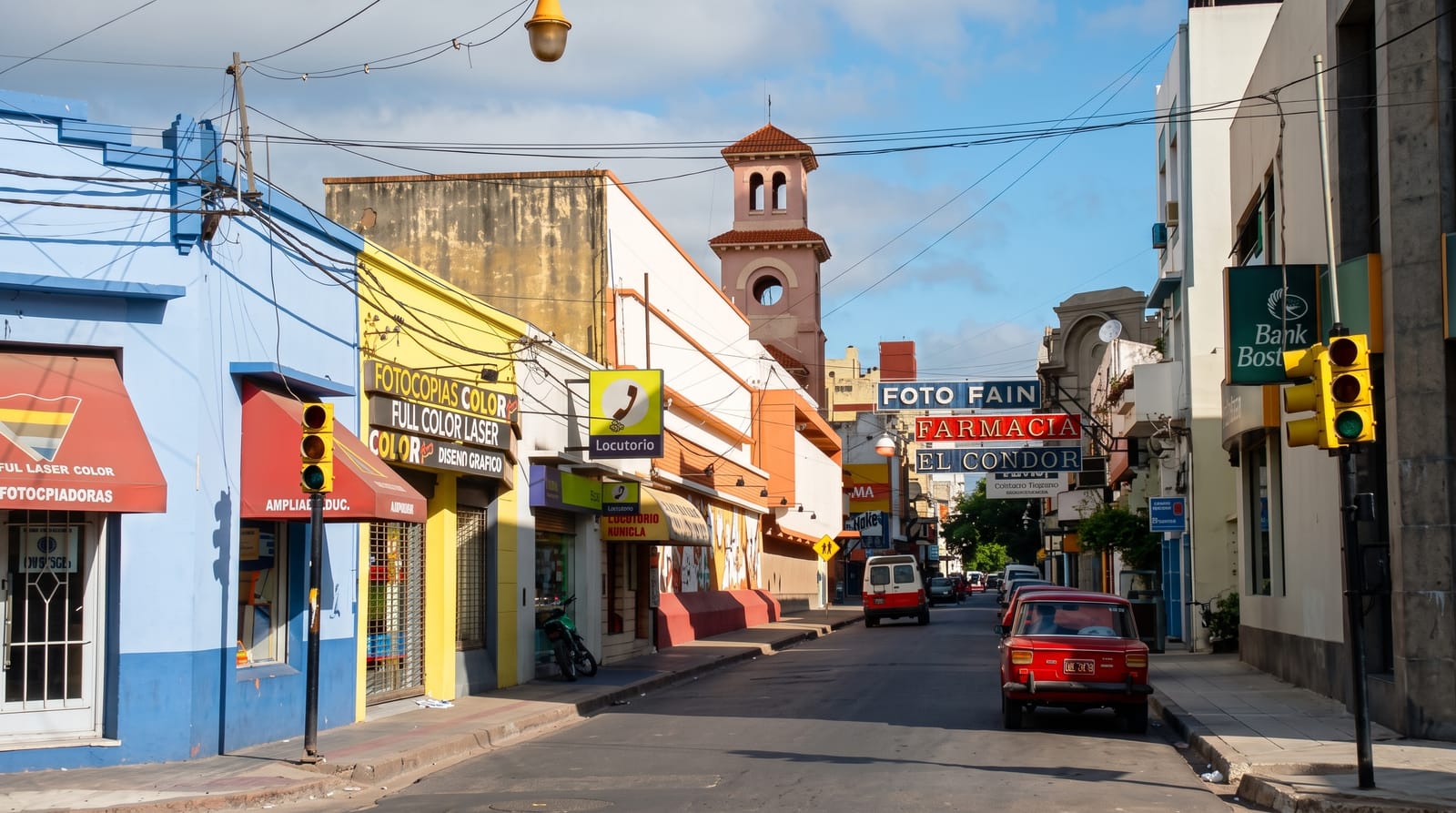
AI illustration
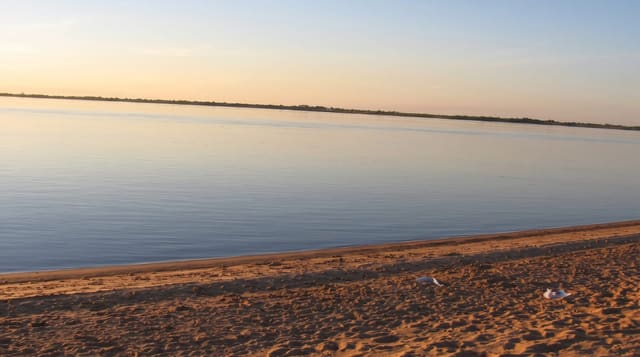
Corrientes sits on a bend of the Paraná where the river is enormous and the climate firmly subtropical, and it is one of the most distinctive cities in Argentina: streets of low colonial and Italianate houses shaded by orange trees, a long costanera along the water where the city walks at dusk, and a culture with its own music, language and rhythm. Chamamé, the accordion-driven music of the northeast recognised by UNESCO as intangible heritage, was born in this province and is played here in clubs and at a national festival each January. Carnival in Corrientes runs through January and February in a purpose-built corsódromo and rivals Gualeguaychú for scale. Guaraní is widely spoken alongside Spanish, and the food and saints' devotions reflect that mixed heritage.
History
Sebastian Cabot built the fort of Sancti Spiritu up the Paraná in 1527, and Pedro de Mendoza pushed further north in 1536 in search of the silver mountains, before Juan Torres de Vera y Aragón founded the city on 3 April 1588 as San Juan de Vera de las Siete Corrientes, after the seven points on the shore whose currents made the river hard to navigate here. Its high ground, safe from floods, made it a key stop between Asunción and Buenos Aires; Jesuits settled near the Uruguay River in 1615, the city resisted the British invasions in 1807, and after long conflict with the central government in Buenos Aires during the wars of independence, the Paraguayan attack on the city in 1865 united them (Wikipedia, Corrientes).
What's there
- The costanera - the long riverside promenade along the Paraná.
- The colonial centre - low houses, churches and orange-shaded streets.
- Chamamé venues - clubs and the January national festival of the music.
- The carnival - January and February parades in the corsódromo.
When to go
April to October, when the heat and humidity ease; summer is intense, though it is also carnival and chamamé season. The river is at its best in the cooler months. Evenings on the costanera are the city's social heart year-round.
Before you go
Summer heat and humidity here are extreme, and mosquitoes near the river are constant. The city is worn in places and its museums are small. Carnival and festival dates bring full hotels and higher prices.
Nearby
Itatí lies upriver; Paso de la Patria and the Paraná fishing grounds are close.
Key facts
Source: Wikidata, item Q44211, read on 18 October 2026.
What to pack for Corrientes
Chosen from what this place is for. Tap a kit for the full checklist.
- Travel rod + reel - A packable multi-piece rod fits in a case and covers most holiday fishing. Find on Amazon
- Strong insect repellent - DEET or picaridin; the jungle is where bites and disease risk are highest. Find on Amazon
- Comfortable walking shoes - Sightseeing means kilometres of pavement and cobbles daily. Find on Amazon
- A small tackle selection - Hooks, weights, line and a few lures or flies suited to local waters. Find on Amazon
Some links on this page are Amazon affiliate links - if you buy through them we may earn a small commission at no extra cost to you.
All packing kitsPlan your trip
Where to start if Corrientes is going on the list.
Booking links on this page are affiliate links - if you book through them we may earn a small commission at no extra cost to you. It never changes what we write about a place.
Opening times, ticket prices and seasonal closures change - check the official source before you go: official site.