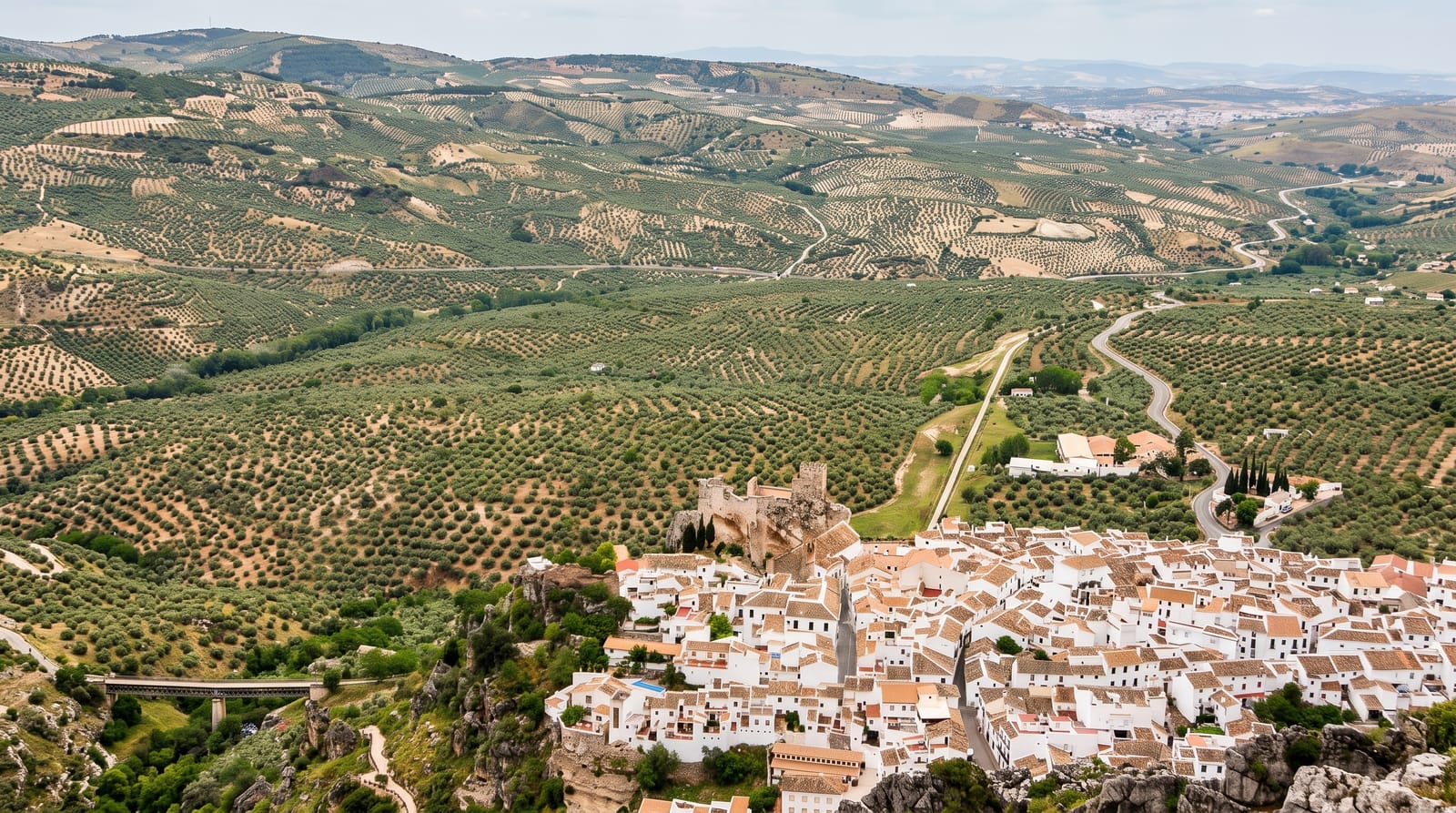
Yapeyú
A quiet riverside village founded as a Jesuit-Guaraní mission, whose ruins lie among orange trees beside a colonnaded memorial.
Updated 4 September 2026
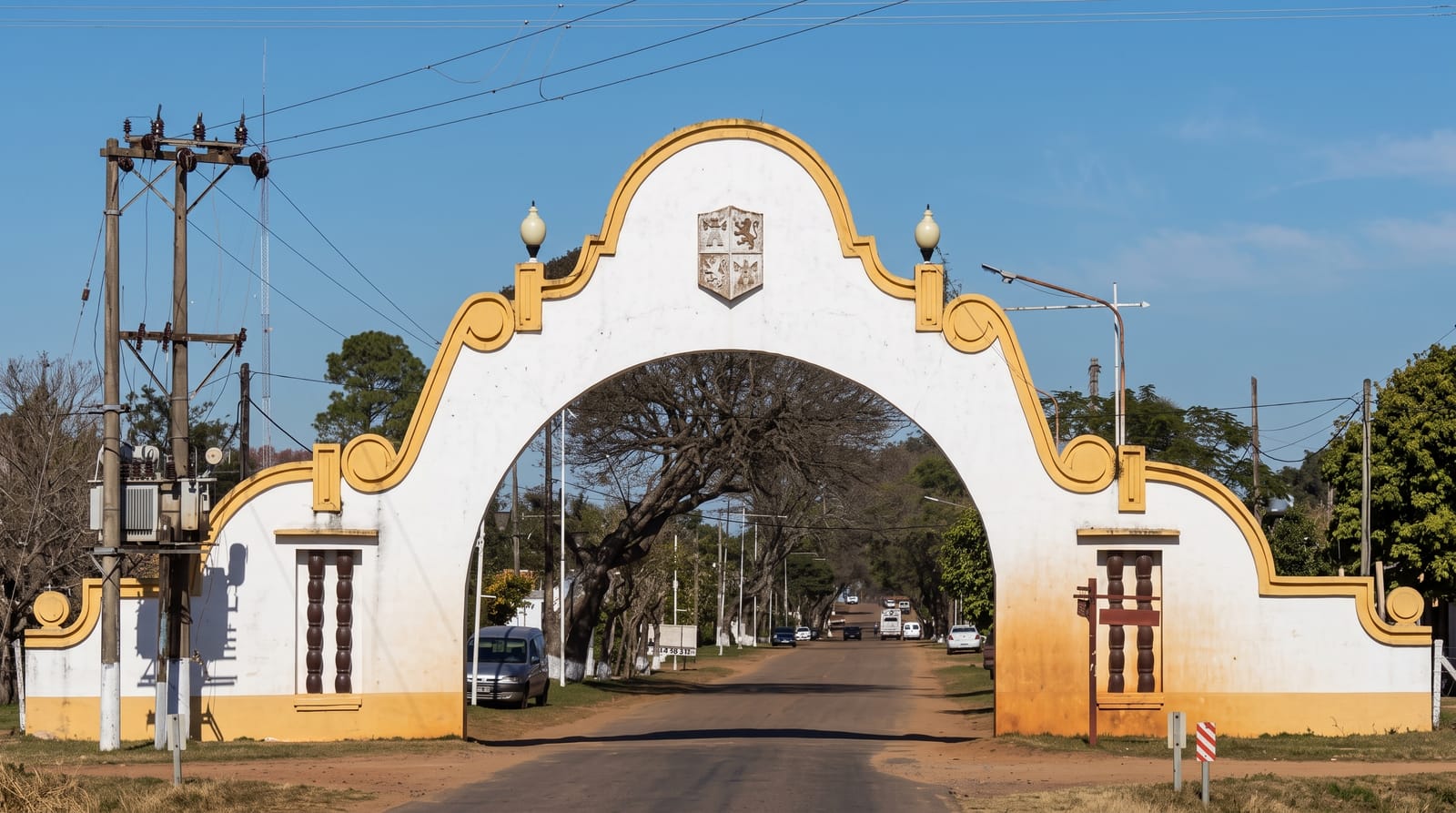
AI illustration
Yapeyú was founded in 1626 as one of the thirty Jesuit-Guaraní missions of the region, and at its height it was among the largest, with thousands of Guaraní inhabitants, workshops, cattle estancias and a church. After the Jesuits were expelled the mission declined and was largely destroyed, but its worked stone survives across the village: blocks reused in walls and houses, foundations under the grass, and a small site museum displaying carvings, tools and ceramics. Yapeyú is also the birthplace of José de San Martín, and a colonnaded memorial shelters the remains of the house where he was born in 1778, with a museum alongside. The village itself is a grid of orange trees and low houses beside the Uruguay river.
What you'll find
- The mission stonework - carved blocks and foundations scattered through the village.
- The site museum - Jesuit-Guaraní carvings, tools and ceramics.
- The San Martín memorial - the colonnaded structure sheltering his birthplace.
- The riverside - the Uruguay river beach and camping area.
When to go
April to October, when the heat is manageable; summer here is very hot and humid. The village is quiet year-round except around national commemorations in February and August, which bring visitors and ceremonies.
Things to know
Little of the mission stands, so the visit rewards imagination and the museum more than the ruins themselves. The village is small with limited services. Interpretation is in Spanish and modest in scope.
Nearby
Paso de los Libres lies south; the Iberá wetlands are inland to the northwest.
What to pack for Yapeyú
Chosen from what this place is for. Tap a kit for the full checklist.
- Strong insect repellent - DEET or picaridin; the jungle is where bites and disease risk are highest. Find on Amazon
- Comfortable walking shoes - Sightseeing means kilometres of pavement and cobbles daily. Find on Amazon
- Shelter suited to the place - Tent, tarp or hut booking - match it to the terrain and rules. Find on Amazon
- Long, light, quick-dry clothing - Covers skin from insects and sun without cooking you in the humidity. Find on Amazon
Some links on this page are Amazon affiliate links - if you buy through them we may earn a small commission at no extra cost to you.
All packing kitsPlan your trip
Where to start if Yapeyú is going on the list.
Booking links on this page are affiliate links - if you book through them we may earn a small commission at no extra cost to you. It never changes what we write about a place.
Opening times, ticket prices and seasonal closures change - check the official source before you go: official site.