Knife River Indian Villages
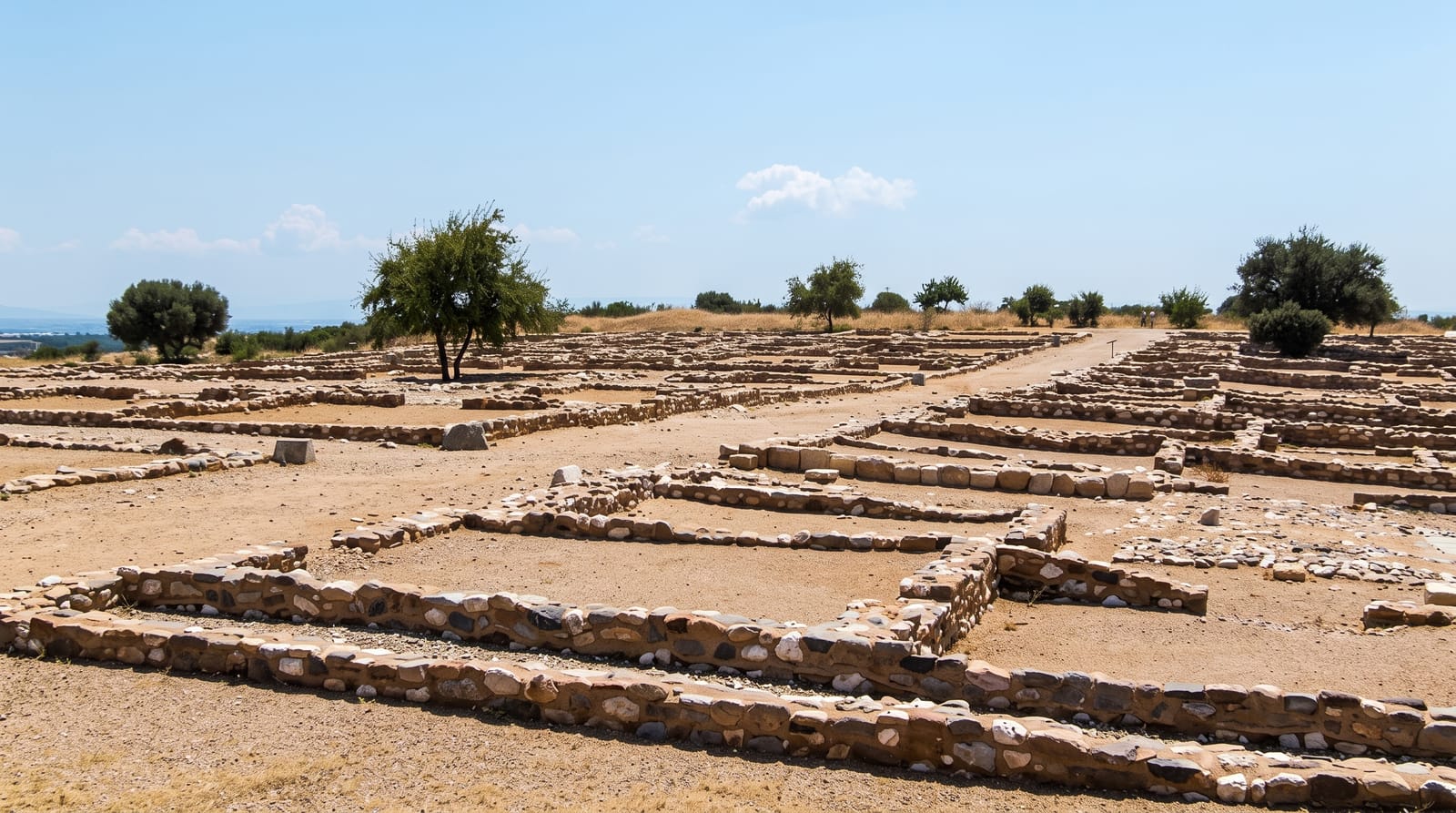
Depressions in a North Dakota prairie marking Hidatsa earthlodge villages, and the place Sacagawea was living in 1804.
Updated 30 August 2026
The Hidatsa lived here in earthlodge villages for centuries, farming the river bottoms and trading across a network that reached the Pacific and the Gulf - this was a commercial hub long before Europeans arrived. What survives on the ground is subtle: hundreds of circular depressions in the prairie where lodges stood, best read in low light. Lewis and Clark wintered nearby in 1804-05 and it was at these villages that they met Toussaint Charbonneau and Sacagawea, who was then living here after being taken from the Shoshone as a child. Smallpox in 1837 killed a large share of the population and the villages were abandoned. A full-size reconstructed earthlodge stands at the visitor centre.
The main sights
- Hundreds of lodge depressions - circular, best seen in low light.
- A reconstructed earthlodge - full size, at the visitor centre.
- A pre-contact trade hub - reaching the Pacific and the Gulf.
- Where Lewis and Clark met Sacagawea - in the winter of 1804-05.
When to go
May to September; low morning or evening light shows the depressions. Two to three hours.
What to expect
The site reads as an empty field to an unprepared eye - the visitor centre first is essential. Winters are severe and facilities reduce. Mosquitoes are heavy in summer. It is remote.
Nearby
Fort Mandan reconstruction is downriver; Bismarck is south-east.
Key facts
Source: Wikidata, item Q3485441, read on 18 October 2026.
What to pack for Knife River Indian Villages
Chosen from what this place is for. Tap a kit for the full checklist.
- Comfortable walking shoes - Sightseeing means kilometres of pavement and cobbles daily. Find on Amazon
- A slim anti-theft daypack - Zips that close properly; keep it in front in crowds and on transit. Find on Amazon
- A refillable water bottle - Many cities have public fountains; save money and plastic. Find on Amazon
- A light layer + compact umbrella - For museum air-con and a sudden shower. Find on Amazon
Some links on this page are Amazon affiliate links - if you buy through them we may earn a small commission at no extra cost to you.
All packing kitsPlan your trip
Where to start if Knife River Indian Villages is going on the list.
Booking links on this page are affiliate links - if you book through them we may earn a small commission at no extra cost to you. It never changes what we write about a place.
Opening times, ticket prices and seasonal closures change - check the official source before you go: official site.