Gordion
The Phrygian capital at Polatlı, with a royal tumulus you walk inside and the oldest standing wooden chamber in the world.
Updated 18 October 2026
UNESCO World Heritage
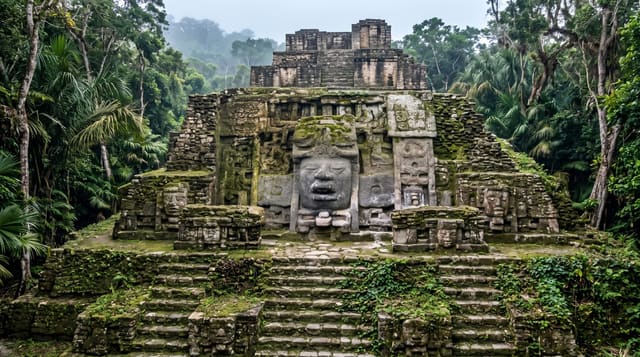
Gordion was the capital of Phrygia, and it carries two of the more durable stories in classical tradition - the Gordian knot that Alexander is said to have cut, and Midas, who was a real Phrygian king as well as a legend. It was inscribed by UNESCO in 2023. The site has three parts: the citadel mound with its excavated gate, megaron buildings and terrace complex; the museum, holding furniture, bronzes and finds from the excavations that Pennsylvania has run here since the 1950s; and the tumuli, of which around a hundred dot the plain. The great one, Tumulus MM, is fifty metres high, and a tunnel driven into it lets you walk to the burial chamber at its heart - a room of juniper and pine logs built around 740 BCE, the oldest standing wooden structure known anywhere, which held a man of about sixty, probably Midas's father or Midas himself, laid out with bronze vessels and inlaid furniture.
History
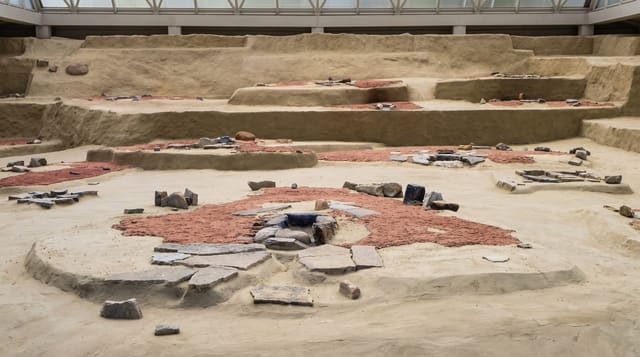
Gordion, where the Sakarya and Porsuk rivers meet and the road from Lydia to Assyria crossed the Sangarius, was lived in from about 2300 BC to the 4th century AD and again in the 13th and 14th centuries; it came under Hittite influence in the Middle Bronze Age and was part of the Hittite Empire in the Late. Newcomers with Balkan links, possibly the Brygians, arrived in the Early Iron Age, and in the 10th and 9th centuries BC the Phrygians walled the citadel with a great gate, still ten metres high, built megarons with some of the earliest pebble mosaics, and around 850 BC raised Tumulus W, the first known tumulus burial in Anatolia. A fire around 800 BC sealed the eastern part of the citadel under the rebuilding that followed, preserving it so well that Gordion is the type site of Phrygian civilisation (Wikipedia, Gordion).
The main sights
- The wooden chamber - the eighth-century BCE tomb inside the tumulus.
- The citadel mound - gate, megarons and terrace buildings.
- The museum - furniture, bronzes and the excavation record.
- The tumuli field - burial mounds across the plain.
When to go
April to June and September to October. Mornings; the plain is exposed, hot in summer and bitterly windy in winter.
Practical notes
The tumulus tunnel is low, damp and confined - not for the claustrophobic - and photography inside may be restricted. The citadel is foundations rather than architecture. Little shade; a car is the practical access.
Nearby
Polatlı is the nearest town; Ankara and the Museum of Anatolian Civilisations are 90 km east.
Key facts
Source: Wikidata, item Q542854, read on 18 October 2026.
What to pack for Gordion
Chosen from what this place is for. Tap a kit for the full checklist.
- Comfortable walking shoes - Sightseeing means kilometres of pavement and cobbles daily. Find on Amazon
- A slim anti-theft daypack - Zips that close properly; keep it in front in crowds and on transit. Find on Amazon
- A refillable water bottle - Many cities have public fountains; save money and plastic. Find on Amazon
- A light layer + compact umbrella - For museum air-con and a sudden shower. Find on Amazon
Some links on this page are Amazon affiliate links - if you buy through them we may earn a small commission at no extra cost to you.
All packing kitsPlan your trip
Where to start if Gordion is going on the list.
Booking links on this page are affiliate links - if you book through them we may earn a small commission at no extra cost to you. It never changes what we write about a place.
Opening times, ticket prices and seasonal closures change - check the official source before you go: official site.