Ankara Citadel
The old fortress on the hill above Ankara, with a quarter of timber houses inside the walls and the whole capital laid out below.
Updated 25 August 2026
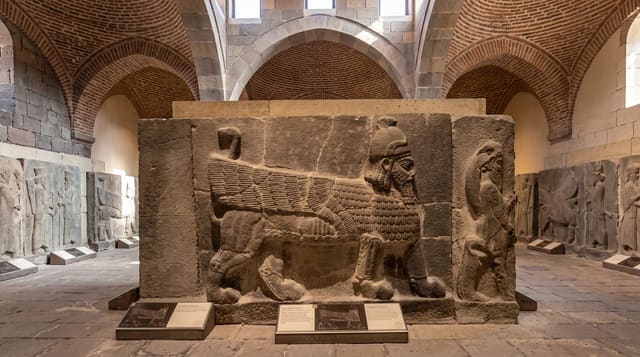
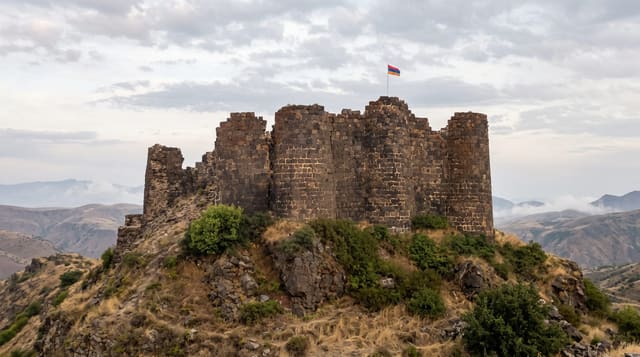
Ankara Kalesi sits on a rock above the old city, its outer and inner walls built and rebuilt from Roman through Byzantine to Seljuk and Ottoman times, with column drums and inscribed blocks from earlier buildings visible reused in the masonry. Inside the walls is a quarter that survived when the rest of the city was rebuilt as a capital in the twentieth century: narrow lanes of timber-framed Ankara houses, some restored as cafés, carpet shops and small hotels, others still lived in and shabby. The walls can be climbed at the highest tower for a view over the whole of Ankara, which from up there reads as a modern city sprawling around a small old core. At the foot of the citadel is the Museum of Anatolian Civilisations in a restored bedesten, one of the best museums in the country, and around it the old market streets selling spices, dried fruit, copper and wool. The climb up is steep.
What to look for
- The reused stonework - Roman blocks built into the walls.
- The timber quarter - Ankara houses inside the citadel.
- The tower view - the capital spread out below.
- The market streets - spice and copper trade at the foot.
When to go
April to June and September to November - the Ankara plateau is bitterly cold in winter and hot in summer. Late afternoon for light and the view.
Practical notes
The climb is steep and the lanes are rough cobbles. Restoration inside is patchy - restored cafés sit beside decaying houses. Wall edges at the top are unfenced in places.
Nearby
The Museum of Anatolian Civilisations is at the foot of the hill; Hamamönü is a short ride south.
Key facts
Source: Wikidata, item Q206225, read on 18 October 2026.
What to pack for Ankara Citadel
Chosen from what this place is for. Tap a kit for the full checklist.
- Comfortable walking shoes - Sightseeing means kilometres of pavement and cobbles daily. Find on Amazon
- A slim anti-theft daypack - Zips that close properly; keep it in front in crowds and on transit. Find on Amazon
- A refillable water bottle - Many cities have public fountains; save money and plastic. Find on Amazon
- A light layer + compact umbrella - For museum air-con and a sudden shower. Find on Amazon
Some links on this page are Amazon affiliate links - if you buy through them we may earn a small commission at no extra cost to you.
All packing kitsPlan your trip
Where to start if Ankara Citadel is going on the list.
Booking links on this page are affiliate links - if you book through them we may earn a small commission at no extra cost to you. It never changes what we write about a place.
Opening times, ticket prices and seasonal closures change - check the official source before you go: official site.