Amyntas Rock Tombs
Lycian temple tombs cut into the cliff directly above Fethiye town, climbed by a long flight of steps and lit at night.
Updated 25 August 2026
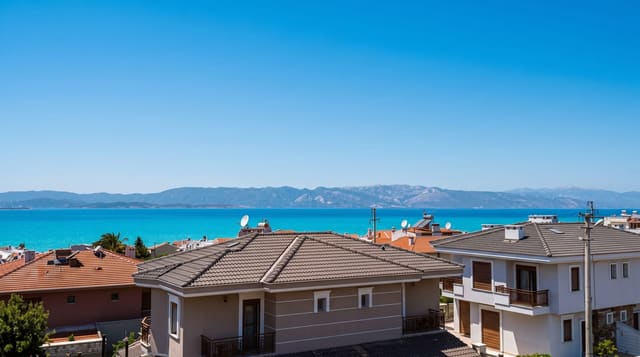
Fethiye stands on ancient Telmessos, and the cliff behind the town is cut with Lycian rock tombs, the largest of them dated to around 350 BCE and known as the Tomb of Amyntas from a Greek inscription reading "Amyntas son of Hermapias" carved beside the door. The facade is a full Ionic temple front rendered in the living rock - two columns, architrave, pediment, and a carved door with panels and studs imitating a wooden one, the whole thing cut downward into the cliff rather than built up. Others stand along the same face in various states, and Lycian sarcophagi with their distinctive keel-shaped lids are scattered through the streets of the town below, some wedged between modern buildings. The climb is a few hundred steps and the reward, besides the tombs, is the view over Fethiye's harbour and bay. The tombs are floodlit after dark and visible from the town.
What to look for
- The Amyntas facade - the Ionic temple front cut into the cliff.
- The carved door - stone imitating wooden panels and studs.
- The neighbouring tombs - others along the same rock face.
- The bay view - Fethiye harbour from the terrace.
When to go
April to June and September to October. Late afternoon for light on the facade and the view; the climb is hard in midday heat.
Practical notes
It is a stiff stairway climb with no shade. The tombs are fenced and interiors are not entered. Half an hour at the top covers it, and it is really a viewpoint with a monument.
Nearby
Kayaköy is eight kilometres south; Ölüdeniz and Babadağ are beyond it.
What to pack for Amyntas Rock Tombs
Chosen from what this place is for. Tap a kit for the full checklist.
- Quick-dry clothing - Board shorts or synthetics that shrug off spray and dry fast. Find on Amazon
- Comfortable walking shoes - Sightseeing means kilometres of pavement and cobbles daily. Find on Amazon
- Modest clothing - Shoulders and knees covered - the single most common requirement. Find on Amazon
- Secure water shoes or reef boots - Grip on slippery launches and protection on rocky shores. Find on Amazon
Some links on this page are Amazon affiliate links - if you buy through them we may earn a small commission at no extra cost to you.
All packing kitsPlan your trip
Where to start if Amyntas Rock Tombs is going on the list.
Booking links on this page are affiliate links - if you book through them we may earn a small commission at no extra cost to you. It never changes what we write about a place.
Opening times, ticket prices and seasonal closures change - check the official source before you go: official site.