Sukhothai Historical Park
The cradle of the Thai nation - the serene ruins of the first Siamese capital, with graceful walking Buddhas and lotus-bud spires set in a tranquil, lake-dotted park, a UNESCO site.
Updated 18 October 2026

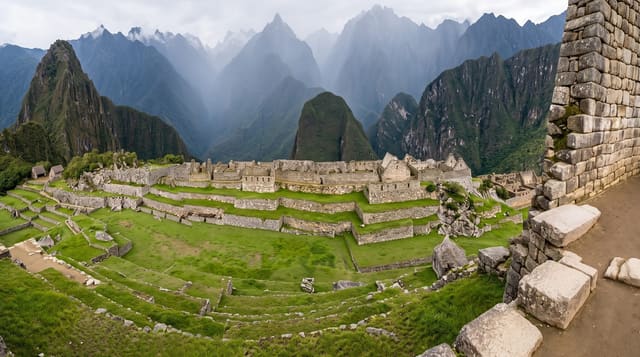
AI illustration
UNESCO World Heritage
Sukhothai was the first capital of a unified Thai kingdom in the thirteenth century, remembered as a golden age of art and the birthplace of much that is distinctively Thai. Its serene ruins, gathered in a beautifully maintained historical park, include graceful walking Buddhas, elegant lotus-bud spires and temples reflected in lily-dotted ponds, a tranquil and evocative UNESCO site best explored by bicycle.
History
The traditions of the town's founding disagree and none is contemporary: one chronicle places it in 494, the Legend of the Arhat in 679, and Chinese records suggest that the area was subordinate to Si Thep between the 8th and 10th centuries. The town is generally thought to have been abandoned in the 9th and 10th centuries, is reported to have been taken in 957 by the Mon king Abhayakamini and to have declared its independence in 1017, and grew into a regional trading centre on routes linking the Mon, Tai and lower Chao Phraya states. A Khmer-style town appeared probably around 1200, with Angkorian monuments such as Ta Pha Daeng and Wat Phra Phai Luang, and later in the 13th century a much larger walled and moated town was built just to the south, the capital of the Sukhothai Kingdom in the 13th and 14th centuries (Wikipedia, Sukhothai Historical Park).
What to look for
- Wat Mahathat - the central temple with its rows of Buddhas and lotus spires.
- The walking Buddhas - the graceful figures unique to Sukhothai's art.
- Wat Si Chum - the huge seated Buddha in its tall chamber.
- The park by bicycle - the temples and ponds, best toured on two wheels.
When to go
November to February for the coolest weather for cycling the park; the Loi Krathong festival of floating lights, said to have originated here, lights up the ruins in November and is spectacular. Go early to beat the heat.
Practical notes
It is more remote and less visited than Ayutthaya, which is part of its serene charm but means more effort to reach, usually a flight or long bus. The park is large, so a bicycle is the way to see it, and the sun is hot. It is tranquil and beautiful rather than dramatic.
Nearby
The ruins of Si Satchanalai are nearby; Chiang Mai is to the north.
Key facts
Source: Wikidata, item Q423654, read on 18 October 2026.
What to pack for Sukhothai Historical Park
Chosen from what this place is for. Tap a kit for the full checklist.
- Padded shorts - The one thing that makes a full day in the saddle bearable. Find on Amazon
- Comfortable walking shoes - Sightseeing means kilometres of pavement and cobbles daily. Find on Amazon
- Modest clothing - Shoulders and knees covered - the single most common requirement. Find on Amazon
- Helmet - Bring your own if you have a good one; rentals vary wildly. Find on Amazon
Some links on this page are Amazon affiliate links - if you buy through them we may earn a small commission at no extra cost to you.
All packing kitsPlan your trip
Where to start if Sukhothai Historical Park is going on the list.
Booking links on this page are affiliate links - if you book through them we may earn a small commission at no extra cost to you. It never changes what we write about a place.
Opening times, ticket prices and seasonal closures change - check the official source before you go: official site.