Wiang Kum Kam
A royal city founded before Chiang Mai and abandoned to flooding, buried under river silt for centuries and dug out again.
Updated 28 August 2026
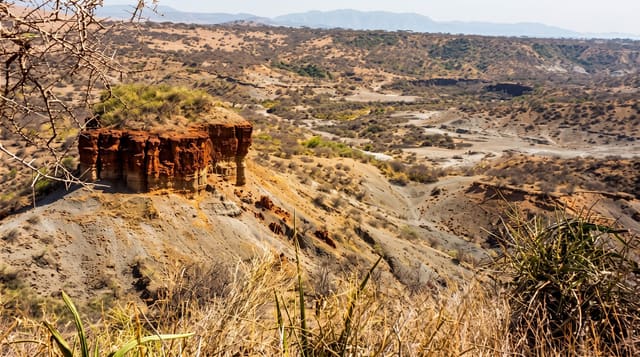
King Mangrai founded Wiang Kum Kam on the Ping river around 1286 as his capital, ten years before Chiang Mai. It did not last: the river flooded it repeatedly and eventually changed course, and by the sixteenth century the city was abandoned and gradually buried under silt. It stayed buried until 1984, when excavation began after villagers digging in the area turned up remains, and around forty sites have been uncovered since - temple foundations, chedis, a well-preserved ubosot at Wat Chang Kham, brick walls and inscriptions - scattered among the modern villages and fields of Saraphi district, several metres below the current ground level in places. That dispersal is the practical issue: the sites are not in one park but spread across a working district, and the standard way round is a horse cart or an electric tram from the information centre.
What you'll find
- The excavated temples - around forty sites uncovered since 1984.
- The depth - remains several metres below the modern ground surface.
- Wat Chang Kham - the best-preserved of the excavated buildings.
- The dispersal - ruins scattered among villages and fields, toured by cart.
When to go
November to February. Early or late - the sites are open and unshaded. Two to three hours with a cart or tram tour from the information centre.
Before you go
Sites are scattered across a working district, not gathered in a park - walking between them is impractical. Most are foundations rather than standing buildings. Little shade. English interpretation is limited.
Nearby
Chiang Mai is north; Lamphun and Wat Chamthewi are south.
Key facts
Source: Wikidata, item Q1537210, read on 18 October 2026.
What to pack for Wiang Kum Kam
Chosen from what this place is for. Tap a kit for the full checklist.
- Comfortable walking shoes - Sightseeing means kilometres of pavement and cobbles daily. Find on Amazon
- Modest clothing - Shoulders and knees covered - the single most common requirement. Find on Amazon
- A slim anti-theft daypack - Zips that close properly; keep it in front in crowds and on transit. Find on Amazon
- A scarf or shawl - To cover the head or shoulders on entry; women especially at mosques. Find on Amazon
Some links on this page are Amazon affiliate links - if you buy through them we may earn a small commission at no extra cost to you.
All packing kitsPlan your trip
Where to start if Wiang Kum Kam is going on the list.
Booking links on this page are affiliate links - if you book through them we may earn a small commission at no extra cost to you. It never changes what we write about a place.
Opening times, ticket prices and seasonal closures change - check the official source before you go: official site.