Amani Nature Reserve
An East Usambara forest reserve on the site of a colonial botanical station, rich in endemic species.
Updated 16 October 2026
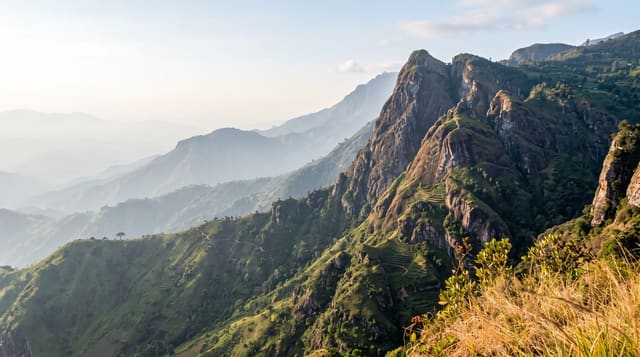
Amani was a German botanical research station founded in 1902, at the time one of the largest such gardens in the tropics, and the forest around it became a nature reserve in 1997. The East Usambaras are part of the Eastern Arc and carry an extraordinary concentration of species found nowhere else: the Usambara eagle-owl, the long-billed tailorbird, three-horned chameleons, African violets in their wild form, and hundreds of endemic plants. Trails run from the old station buildings.
Background
Officially named Amani Nature Forest Reserve, or Msitu wa Akiba wa Amani in Swahili, it spreads across the Muheza and Korogwe Districts of the Tanga Region and includes tropical cloud forest. Its 84 square kilometres include 3 square kilometres of the Amani Botanical Garden and 10.7 square kilometres of forest run by local tea estates. Plenty of duiker and bushpig live here, along with two monkey species, but elephants and leopards are gone. The long-billed forest warbler is known only from this reserve and Mount Namuli in Mozambique, 1000 kilometres away. UNESCO recognises it as a Man and Biosphere Reserve. The old scientific station became known for malaria research, and its laboratory has hardly changed since the 1970s.
Source: Wikipedia, "Amani Nature Reserve"
Highlights
- The botanical garden - the remains of the 1902 research station and its introduced trees.
- The endemic birds - Usambara eagle-owl, tailorbirds and other Eastern Arc specialities.
- The wild African violets - saintpaulias growing in their native forest habitat.
- The forest trails - marked walks through closed canopy from the station.
When to go
June to October is the driest and best for walking. The rains make the road up very difficult. Mornings are best for birds before the cloud comes in.
Before you go
The road up from the highway is rough and often needs four-wheel drive. Accommodation is basic rest-house standard. Many of the special species are hard to find without a specialist guide.
Nearby
Muheza is below, and Tanga is northeast.
Key facts
Source: Wikidata, item Q4739851, read on 18 October 2026.
What to pack for Amani Nature Reserve
Chosen from what this place is for. Tap a kit for the full checklist.
- Broken-in walking shoes or boots - Grip and ankle support matter more than looks; never hike in brand-new boots. Find on Amazon
- Layers + a waterproof shell - Mountain weather turns fast; a packable rain jacket saves the day. Find on Amazon
- Daypack with rain cover - 20-30 litres holds water, snacks, layers and a first-aid kit. Find on Amazon
- Offline maps + a power bank - Download the trail before you lose signal; carry backup charge. Find on Amazon
Some links on this page are Amazon affiliate links - if you buy through them we may earn a small commission at no extra cost to you.
All packing kitsPlan your trip
Where to start if Amani Nature Reserve is going on the list.
Booking links on this page are affiliate links - if you book through them we may earn a small commission at no extra cost to you. It never changes what we write about a place.
Opening times, ticket prices and seasonal closures change - check the official source before you go: official site.