Dinghu Mountain
China's first nature reserve, protecting subtropical forest that has stood on the same slopes for four centuries.
Updated 4 September 2026

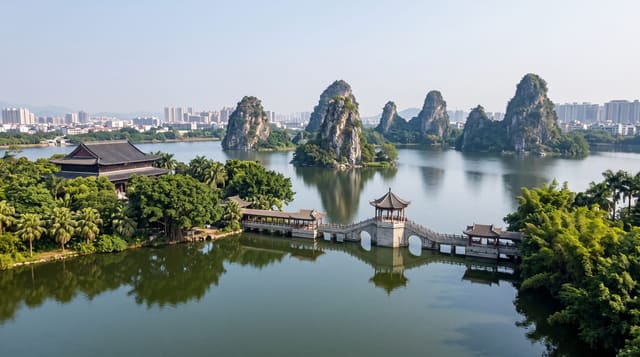
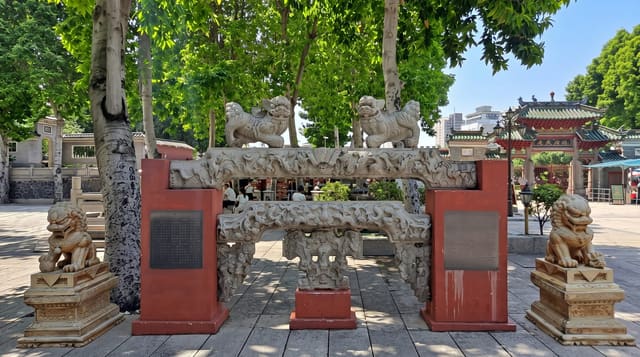
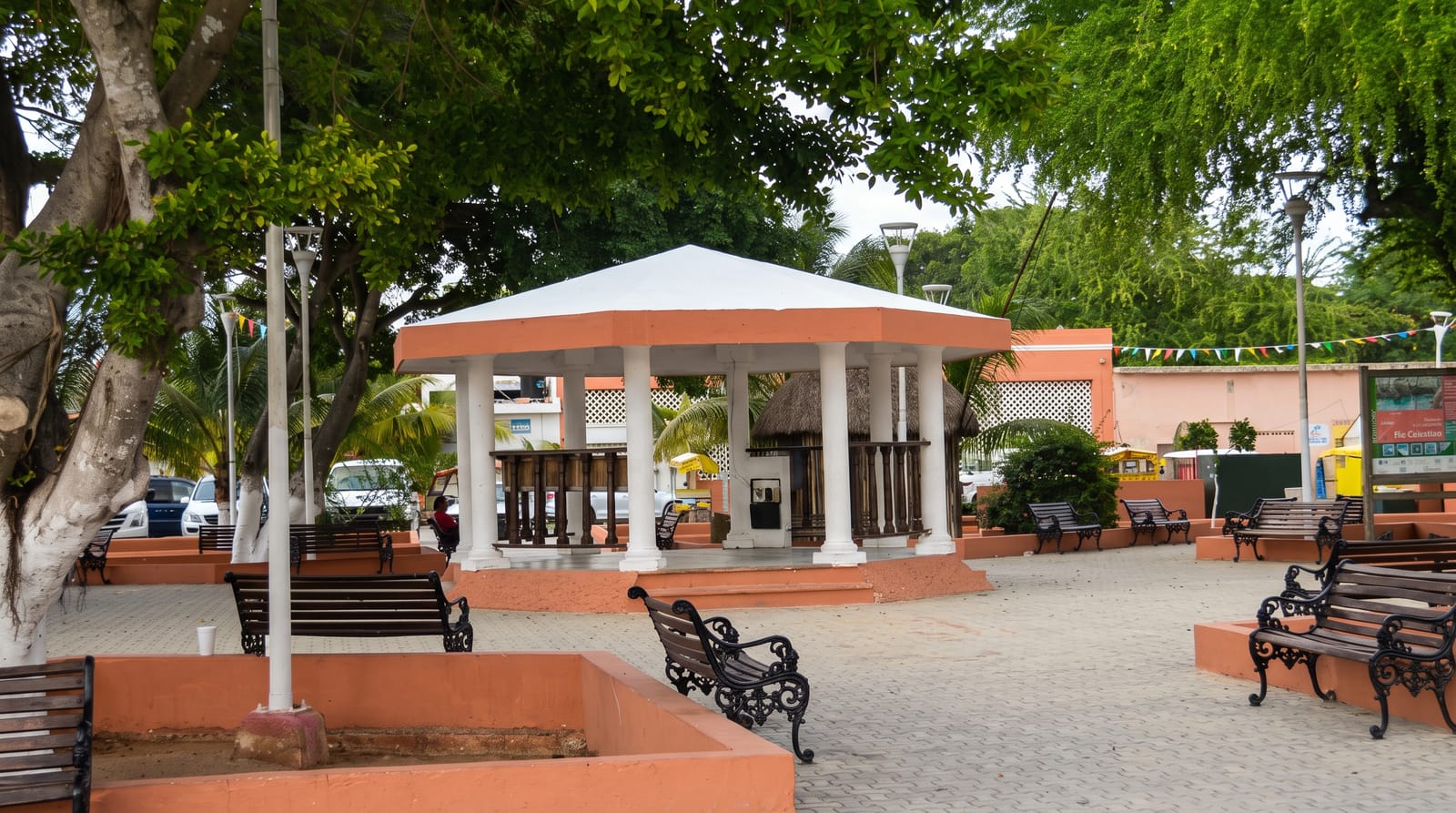
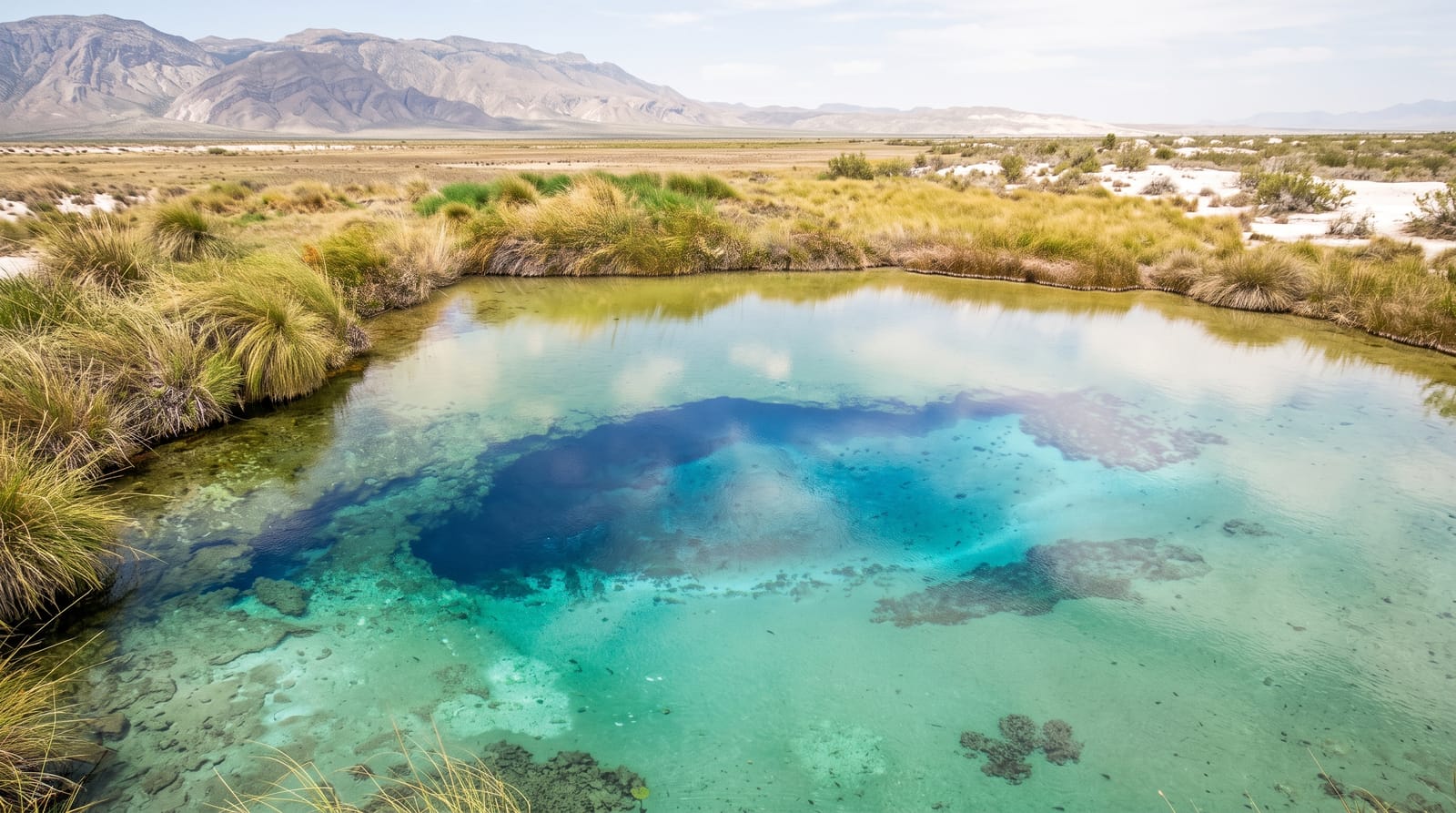
AI illustration
Dinghushan was designated in 1956 as the first nature reserve in China, protecting a patch of subtropical evergreen broadleaf forest that survived because a monastery held the land: Qingyun Temple, founded in 1633, forbade cutting on the slopes above it, and the forest is now roughly four hundred years undisturbed, the best-preserved of its type at this latitude. It became a UNESCO biosphere reserve in 1979 and functions as a long-term ecological research station. Visitors walk trails through dense forest to waterfalls and pools, with the temple below and hundreds of plant species along the way, many labelled.
Highlights
- The old-growth forest - four centuries of undisturbed subtropical woodland.
- Qingyun Temple - the 1633 monastery that protected the slopes.
- The waterfalls and pools - streams through the forest, swimmable in places.
- The labelled flora - a dense plant list along the research trails.
When to go
October to April for cooler walking; summer is hot and humid but the forest is shaded and the pools inviting. Rain is heaviest from May to August. Weekends bring Zhaoqing visitors.
What to expect
The reserve is developed with paved paths, shuttle buses and a swimming pool area, not a wilderness. Entry is charged. Research sections are closed to visitors.
Nearby
Seven Star Crags lie in Zhaoqing; Guangzhou is east.
Key facts
Source: Wikidata, item Q5278204, read on 18 October 2026.
What to pack for Dinghu Mountain
Chosen from what this place is for. Tap a kit for the full checklist.
- Broken-in walking shoes or boots - Grip and ankle support matter more than looks; never hike in brand-new boots. Find on Amazon
- Reef-safe sunscreen - High SPF that will not bleach the coral you are swimming over. Find on Amazon
- Strong insect repellent - DEET or picaridin; the jungle is where bites and disease risk are highest. Find on Amazon
- Modest clothing - Shoulders and knees covered - the single most common requirement. Find on Amazon
Some links on this page are Amazon affiliate links - if you buy through them we may earn a small commission at no extra cost to you.
All packing kitsPlan your trip
Where to start if Dinghu Mountain is going on the list.
Booking links on this page are affiliate links - if you book through them we may earn a small commission at no extra cost to you. It never changes what we write about a place.
Opening times, ticket prices and seasonal closures change - check the official source before you go: official site.