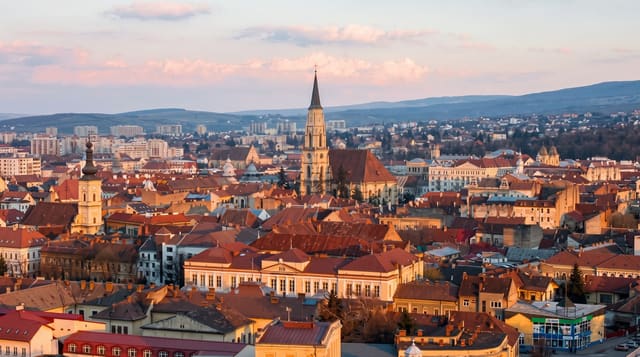
The Old City of Damascus
One of the oldest cities on earth - the ancient walled Old City of Damascus, a UNESCO World Heritage warren of covered souks, courtyard houses and the magnificent Umayyad Mosque, a living treasure of the Islamic and classical worlds.
Updated 21 October 2026
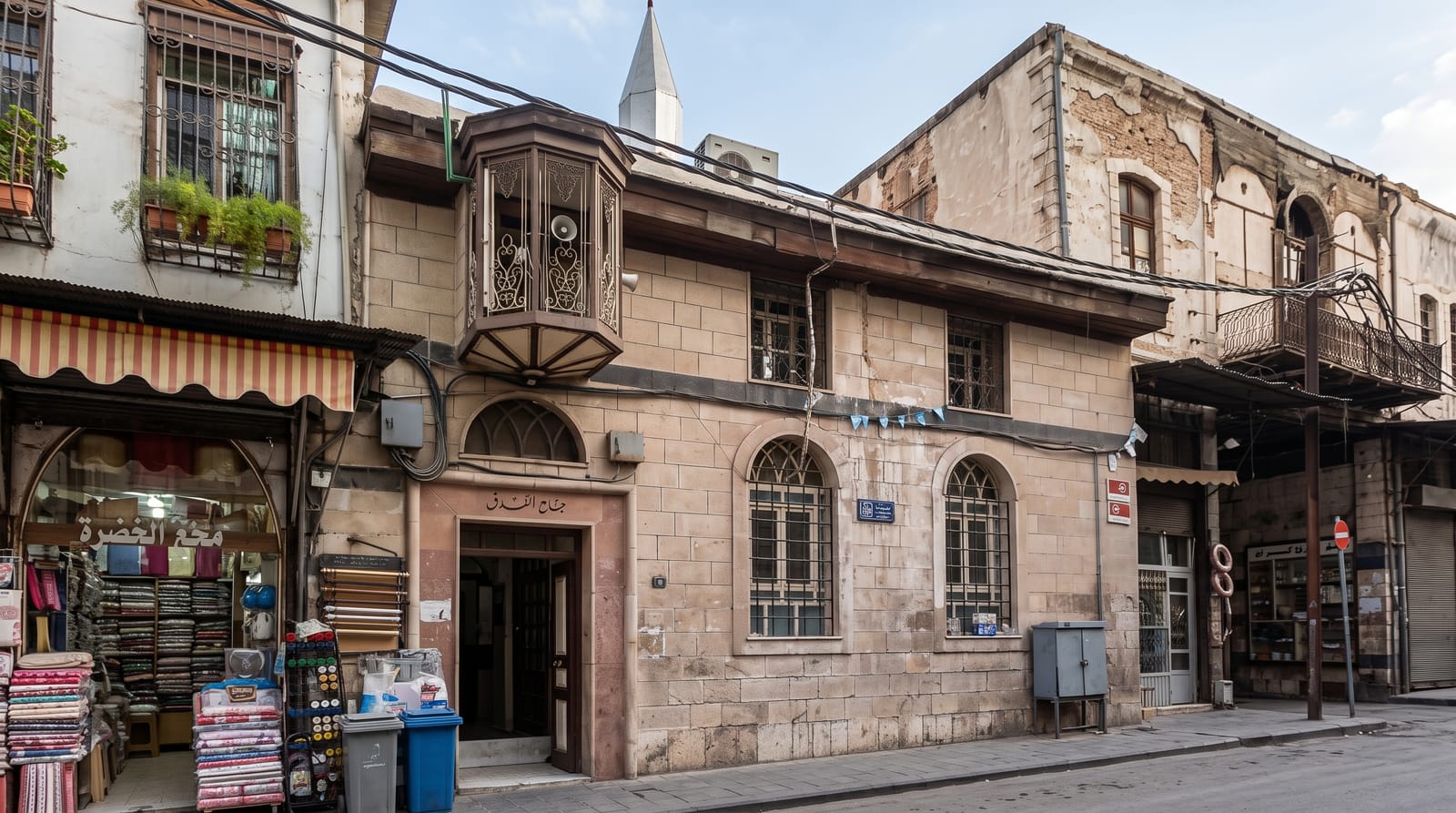
AI illustration
UNESCO World Heritage
Damascus, claimed to be the oldest continuously inhabited capital on earth, holds at its heart an ancient walled Old City that is a UNESCO World Heritage treasure of the Islamic and classical worlds. Within its Roman-founded walls wind atmospheric covered souks, above all the grand Souk al-Hamidiyah, leading to the magnificent Umayyad Mosque, one of the oldest and greatest mosques in the world, resplendent with golden mosaics. Around it spread a labyrinth of narrow lanes, hidden courtyard houses with fountains and citrus trees, old caravanserais, churches, hammams and shrines. Steeped in millennia of history, the Old City of Damascus is a place of extraordinary depth and atmosphere.
History
The ancient city on the south bank of the Barada was founded in the 3rd millennium BC and first appears as Ta-ms-qu in the 2nd millennium BC, in an Amorite region contested by the Hittites and the Egyptians; after the Sea Peoples weakened both around 1200 BC, the Arameans made it the capital of the kingdom of Aram-Damascus, from the 11th century until 733 BC. Its oval of about 86 hectares, crossed by the Straight Street, is enclosed by a 4.5-kilometre wall built mainly by the Romans and strengthened by the Ayyubids and Mamluks, and it holds the Umayyad Mosque, one of the largest and oldest mosques in the world. It became a World Heritage Site in 1979 and, like all Syrian sites, was put on the List of World Heritage in Danger in June 2013 (Wikipedia, Old city of Damascus).
The main sights
- The Umayyad Mosque - the great ancient mosque of golden mosaics.
- Souk al-Hamidiyah - the grand covered market street.
- The courtyard houses - the hidden homes with fountains and trees.
- The old lanes - the labyrinth of caravanserais, churches and shrines.
When to go
Spring and autumn, roughly March to May and September to November, are the most pleasant for wandering the souks, courtyards and lanes in mild weather; summer is hot and winter can be cool and wet. The covered souks offer welcome shade and atmosphere whatever the season.
Before you go
Restoration is under way in parts of the Old City, and a local guide helps greatly. As one of the oldest cities on earth, a living UNESCO World Heritage warren of souks, courtyard houses and the magnificent Umayyad Mosque, though, the Old City of Damascus is a treasure of extraordinary depth.
Nearby
The Straight Street, the old city walls and the surrounding quarters lie within reach.
Key facts
Source: Wikidata, item Q3678596, read on 18 October 2026.
What to pack for The Old City of Damascus
Chosen from what this place is for. Tap a kit for the full checklist.
- Comfortable walking shoes - Sightseeing means kilometres of pavement and cobbles daily. Find on Amazon
- Modest clothing - Shoulders and knees covered - the single most common requirement. Find on Amazon
- A slim anti-theft daypack - Zips that close properly; keep it in front in crowds and on transit. Find on Amazon
- A scarf or shawl - To cover the head or shoulders on entry; women especially at mosques. Find on Amazon
Some links on this page are Amazon affiliate links - if you buy through them we may earn a small commission at no extra cost to you.
All packing kitsPlan your trip
Where to start if The Old City of Damascus is going on the list.
Booking links on this page are affiliate links - if you book through them we may earn a small commission at no extra cost to you. It never changes what we write about a place.
Opening times, ticket prices and seasonal closures change - check the official source before you go: official site.