Cluj-Napoca
Transylvania's largest and most energetic city, a university town of Gothic and baroque squares, big festivals and an outsized café and music scene.
Updated 22 October 2026
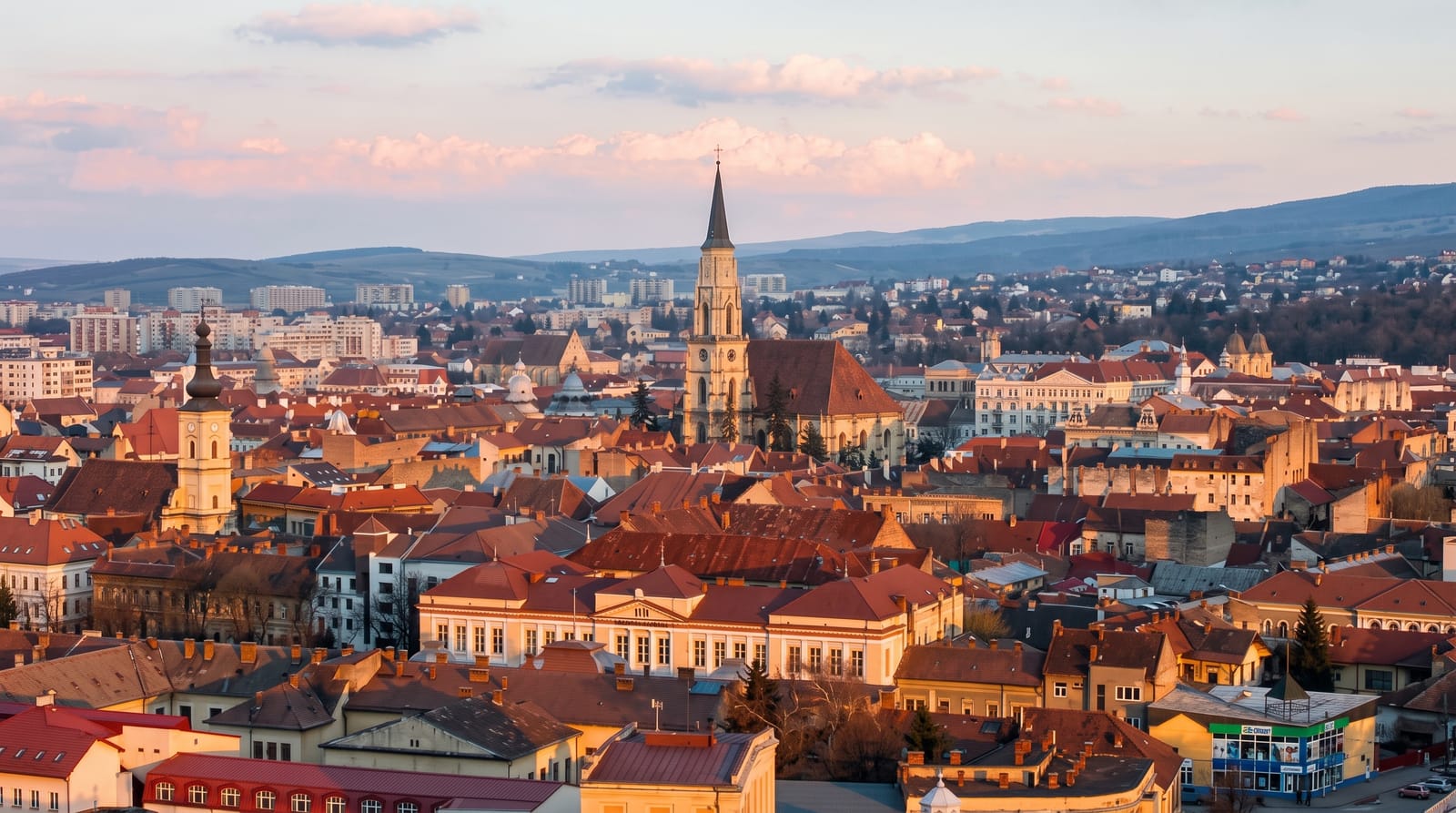
AI illustration
Cluj-Napoca is the unofficial capital of Transylvania and the liveliest city in Romania after Bucharest, with a huge student population that gives it an energy the more picture-postcard Saxon towns lack. Its centre gathers around Unirii Square and the tall Gothic church of Saint Michael, one of the finest in the country, with an equestrian statue of Matthias Corvinus, the Hungarian king born in a house that still stands a few streets away. Around it are baroque and nineteenth-century facades, a botanical garden that is among the best in southeastern Europe, museums of art and ethnography, and a dense scene of cafés, third-wave coffee, ruin-style bars and live music. The city hosts some of the region's biggest festivals, including a vast electronic music gathering each summer and a film festival in spring, when the whole centre fills.
History
The Roman settlement of Napoca, founded about 106, became a municipium under Hadrian and later a colonia. The present name first appears in 1213 as Castrum Clus, craft guilds grew in the second half of the 13th century, and a privilege from Sigismund of Luxembourg in 1405 freed the town from the voivodes' courts and let it elect a twelve-member jury every year; its nickname, the treasure city, dates from the late 16th century (Wikipedia, Cluj-Napoca).
The main sights
- Saint Michael's Church - the great Gothic church on Unirii Square, with a climbable tower.
- The Botanical Garden - one of the finest in this part of Europe.
- The old centre - baroque squares, the Matthias Corvinus house and the tailors' bastion.
- The café and music scene - the student city's bars, coffee and live venues.
When to go
May to September is warmest, with terraces open and festivals running; the big summer music festival and the spring film festival fill the city and its hotels, so check dates before booking. Term time gives the city its student buzz, and August is quieter as students leave.
What to expect
Cluj is a working modern city rather than a preserved historic core, so it has less obvious charm than Sighișoara or Sibiu and rewards those who like urban life over sightseeing. Accommodation prices spike enormously during the major festivals. There is no old-town cluster of headline sights, so it works best as a place to spend time rather than tick off.
Nearby
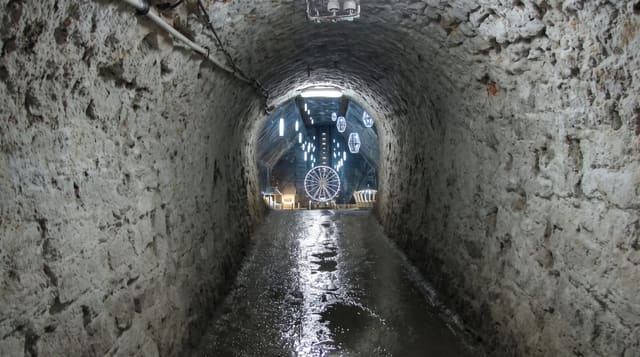
The Apuseni mountains and their caves lie to the southwest; Turda's salt mine is half an hour away.
Key facts
Source: Wikidata, item Q100188, read on 18 October 2026.
What to pack for Cluj-Napoca
Chosen from what this place is for. Tap a kit for the full checklist.
- Head torch + spare batteries - Hands-free light is essential; caves are truly dark. Find on Amazon
- Comfortable walking shoes - Sightseeing means kilometres of pavement and cobbles daily. Find on Amazon
- Grippy closed shoes - Cave floors are wet, muddy and slick with formations. Find on Amazon
- A slim anti-theft daypack - Zips that close properly; keep it in front in crowds and on transit. Find on Amazon
Some links on this page are Amazon affiliate links - if you buy through them we may earn a small commission at no extra cost to you.
All packing kitsPlan your trip
Where to start if Cluj-Napoca is going on the list.
Booking links on this page are affiliate links - if you book through them we may earn a small commission at no extra cost to you. It never changes what we write about a place.
Opening times, ticket prices and seasonal closures change - check the official source before you go: official site.