Glacier Express
Advertised as the slowest express in the world, taking eight hours to cross from Zermatt to St Moritz.
Updated 20 October 2026
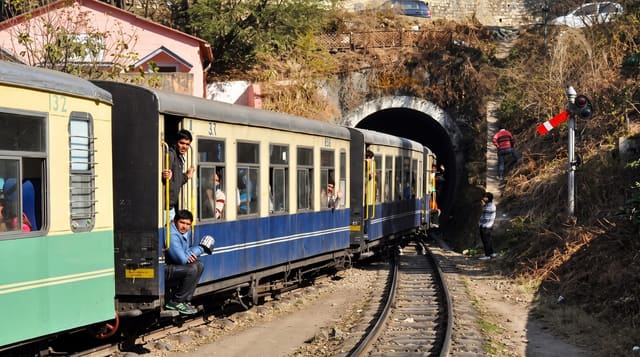
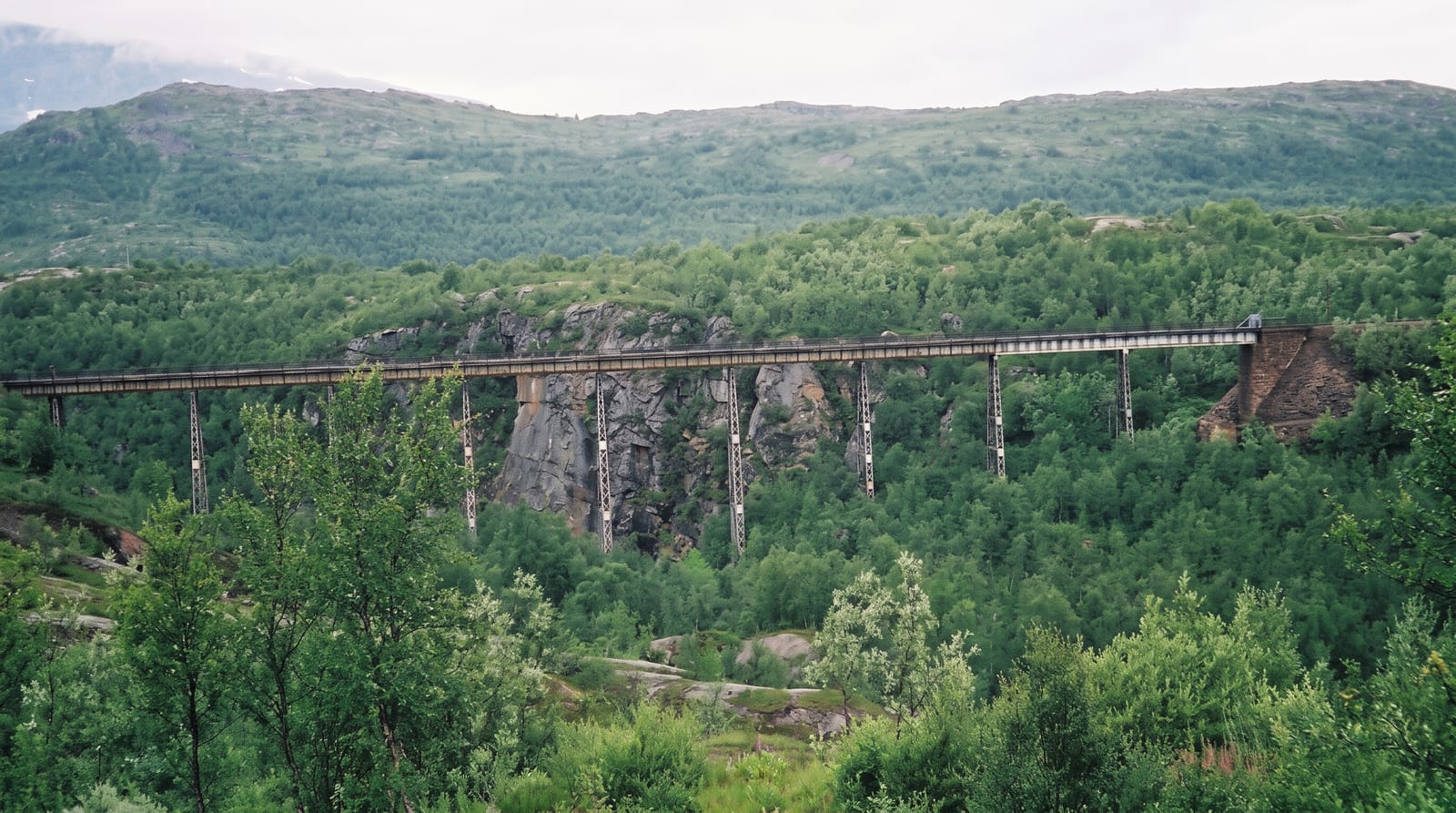
The Glacier Express runs about two hundred and ninety kilometres between Zermatt and St Moritz in roughly eight hours, crossing two hundred and ninety-one bridges and passing through ninety-one tunnels, over the Oberalp pass at 2,033 metres. It markets itself as the slowest express train in the world, which is a joke it makes about itself and also an accurate description of what the journey is for. Part of the route, the Albula line, belongs to the Rhaetian Railway UNESCO World Heritage site. The carriages are panoramic with glazed roof sections and reservations are compulsory. The name is now historic: since the Furka base tunnel opened in 1982 the line no longer passes the Rhone glacier it was named after.
The main sights
- Eight hours for 290 kilometres - the slowest express, by its own description.
- 291 bridges and 91 tunnels - the engineering across three cantons.
- The Oberalp pass at 2,033 metres - the high point of the route.
- A name left behind - the Furka base tunnel has bypassed the Rhone glacier since 1982.
When to go
All year; autumn and winter for clear air. A full day.
Practical notes
Reservations are compulsory and expensive, and sell out in season. Eight hours is a long time seated; some passengers do half the route. The on-board meal costs extra. In poor weather the panoramic windows show cloud.
Nearby
Zermatt and the Matterhorn are at one end; the Engadin at the other.
Key facts
Source: Wikidata, item Q661561, read on 18 October 2026.
What to pack for Glacier Express
Chosen from what this place is for. Tap a kit for the full checklist.
- Warm base layers - Merino or synthetic against the skin - never cotton, which chills when damp. Find on Amazon
- Comfortable walking shoes - Sightseeing means kilometres of pavement and cobbles daily. Find on Amazon
- An insulated + windproof jacket - A down or synthetic layer under a hard shell handles most cold. Find on Amazon
- A slim anti-theft daypack - Zips that close properly; keep it in front in crowds and on transit. Find on Amazon
Some links on this page are Amazon affiliate links - if you buy through them we may earn a small commission at no extra cost to you.
All packing kitsPlan your trip
Where to start if Glacier Express is going on the list.
Booking links on this page are affiliate links - if you book through them we may earn a small commission at no extra cost to you. It never changes what we write about a place.
Opening times, ticket prices and seasonal closures change - check the official source before you go: official site.