Kalka-Shimla Railway
A narrow-gauge line climbing 1,400 metres through more than a hundred tunnels and eight hundred bridges.
Updated 18 October 2026
AI illustration
UNESCO World Heritage
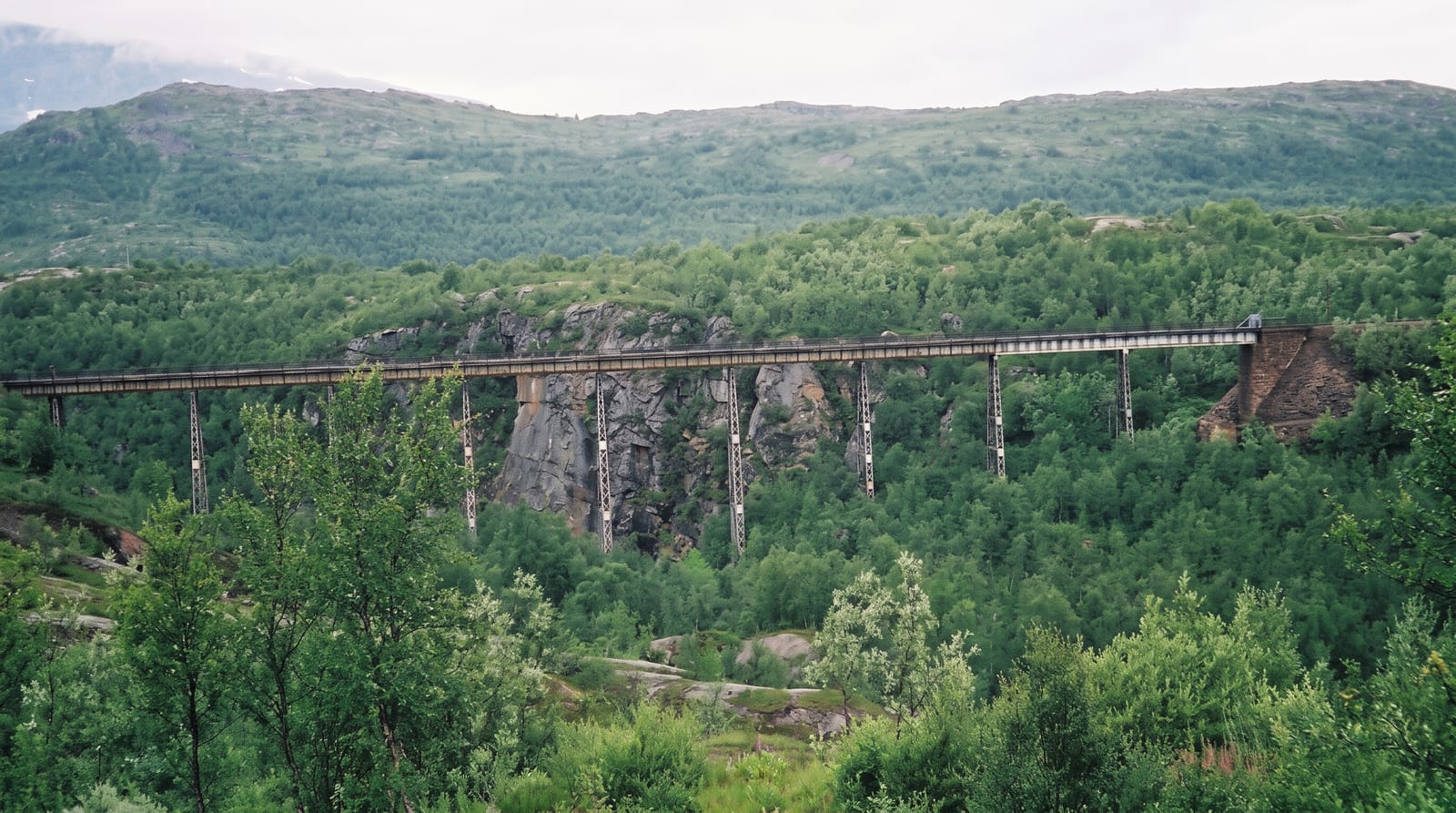
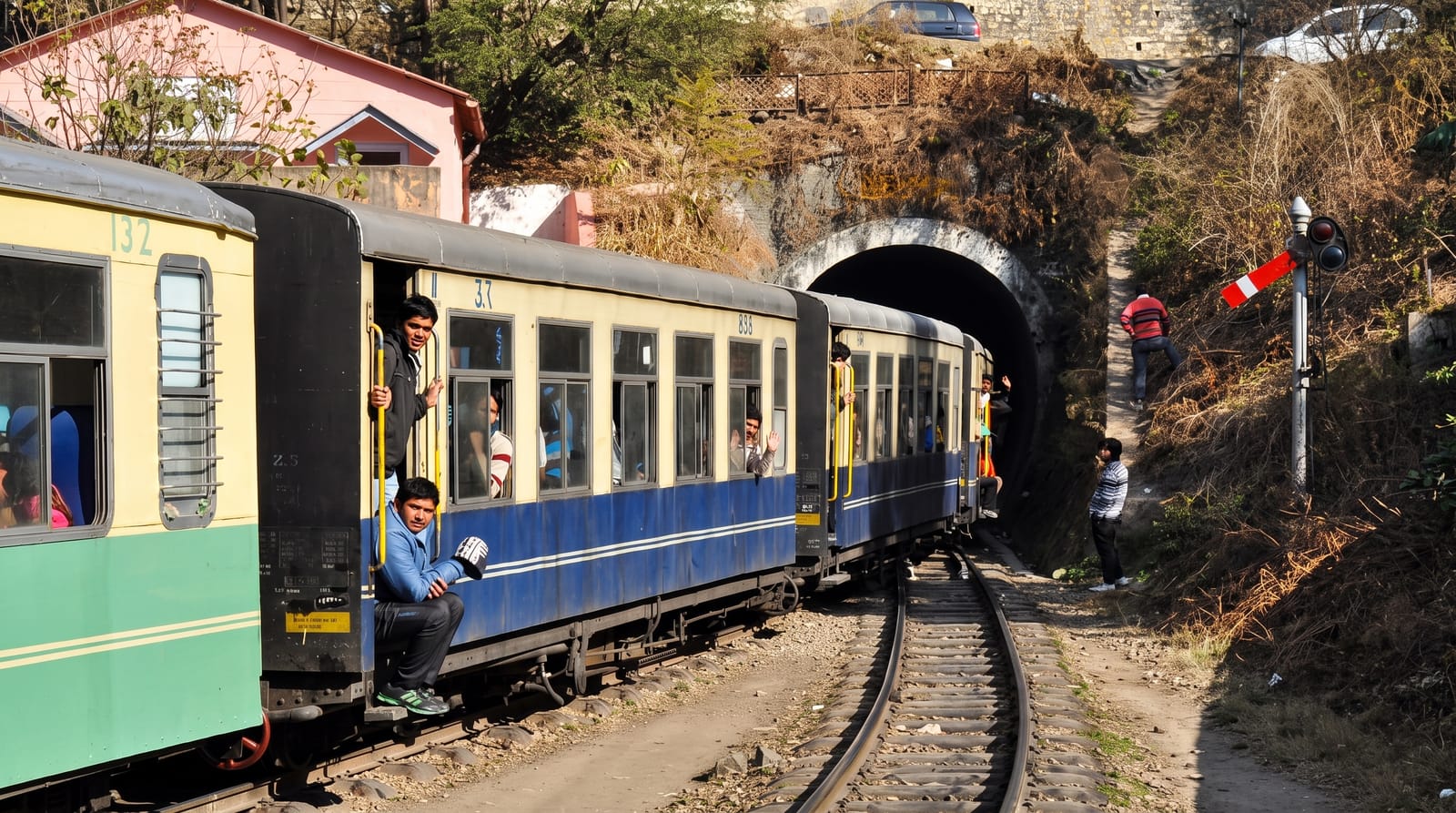
Opened in 1903 to connect the summer capital to the plains, the line runs ninety-six kilometres on two-foot-six gauge, climbing from 656 metres at Kalka to 2,076 at Shimla through 102 tunnels and over eight hundred bridges, many of them multi-tiered stone arcades built like Roman aqueducts because steel was hard to bring up. It was inscribed by UNESCO in 2008 as part of the Mountain Railways of India. Trains take five to six hours, winding through pine forest and around spurs with the valley dropping away, and the Barog tunnel, the longest, carries a story about the engineer who miscalculated its alignment.
History
Shimla became the summer capital of British India in 1864, which meant moving the whole government between Calcutta and the hills twice a year by horse and ox cart, and once the broad-gauge line to Kalka opened in 1891 a branch up the mountain became feasible. After surveys from 1884 onwards and debate between rack and adhesion lines, the privately funded Delhi-Ambala-Kalka Railway Company began building in 1898, with Herbert Septimus Harington as chief engineer and Sujan Singh Hadaliwale as chief contractor; the gauge was widened from 2 feet to 2 feet 6 inches under a revised contract of 1901 at the army's request, and the 95.68-kilometre line opened on 9 November 1903, dedicated by Lord Curzon, at twice its estimated cost. On 8 July 2008 it was added to the Mountain Railways of India World Heritage Site (Wikipedia, Kalka-Shimla Railway).
What to look for
- The arched viaducts - multi-tiered stone bridges built like aqueducts.
- The tunnels - 102 of them, including the long Barog tunnel.
- The climb - 1,400 metres gained across ninety-six kilometres.
- The forest sections - pine and deodar with valley views from the carriages.
When to go
March to June and September to November; the monsoon brings landslides that suspend services. Tickets, especially on the Shivalik Deluxe and Himalayan Queen, sell out weeks ahead in season.
Things to know
The journey is slow, five to six hours for less than a hundred kilometres. Carriages are small and can be cramped. Services are cancelled after monsoon landslides, sometimes for extended periods.
Nearby
Shimla is the upper terminus; Chandigarh lies below Kalka.
Key facts
Source: Wikidata, item Q7171560, read on 18 October 2026.
What to pack for Kalka-Shimla Railway
Chosen from what this place is for. Tap a kit for the full checklist.
- Strong insect repellent - DEET or picaridin; the jungle is where bites and disease risk are highest. Find on Amazon
- Comfortable walking shoes - Sightseeing means kilometres of pavement and cobbles daily. Find on Amazon
- Long, light, quick-dry clothing - Covers skin from insects and sun without cooking you in the humidity. Find on Amazon
- A slim anti-theft daypack - Zips that close properly; keep it in front in crowds and on transit. Find on Amazon
Some links on this page are Amazon affiliate links - if you buy through them we may earn a small commission at no extra cost to you.
All packing kitsPlan your trip
Where to start if Kalka-Shimla Railway is going on the list.
Booking links on this page are affiliate links - if you book through them we may earn a small commission at no extra cost to you. It never changes what we write about a place.
Opening times, ticket prices and seasonal closures change - check the official source before you go: official site.