Vegueta
The founding quarter of Las Palmas, laid out in 1478 and used as a model for colonial towns across the Americas.
Updated 4 September 2026
AI illustration
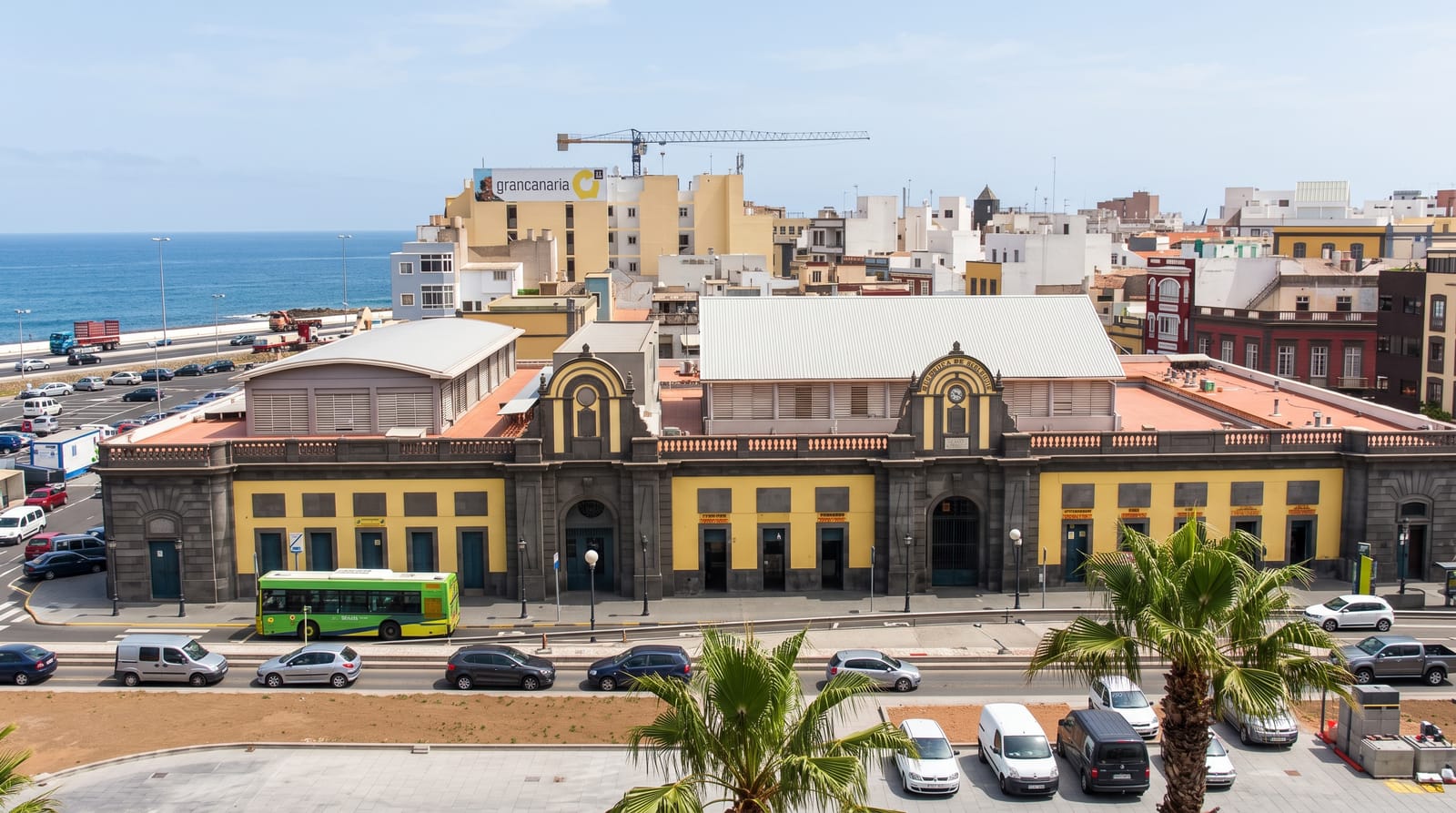
Vegueta was founded in 1478 as the first Spanish settlement on Gran Canaria, and its grid of streets around a plaza with the cathedral and the governor's house on it became a template that was repeated across Spanish America; Las Palmas was a staging point for the Atlantic crossings, and Columbus stopped here in 1492. The Casa de Colon, a house with a Renaissance courtyard where the island's governors lived, is now a museum on the voyages and the city's Atlantic role, though the claim that Columbus stayed in that building is unverified. The cathedral of Santa Ana took four centuries to build and mixes Gothic, Renaissance and neoclassical work. The Canarian Museum holds pre-Hispanic material including a large collection of skulls.
What to look for
- The 1478 grid - a street plan that became a colonial template.
- The Casa de Colon - a museum on the Atlantic crossings in a governors' house.
- Santa Ana cathedral - a building of four centuries and three styles.
- The Canarian Museum - pre-Hispanic Canarian archaeology and remains.
When to go
Year-round; Las Palmas is mild in every season. Thursday evenings bring a tapas route through the quarter. Museums close on Mondays and keep midday breaks.
Good to know
The Columbus association with the Casa de Colon is tradition rather than documented fact. The quarter is small and walked in two hours. Las Palmas is a working city and Vegueta is quiet outside museum hours.
Nearby
Triana's shopping street adjoins; Las Canteras beach lies at the northern end of the city.
Key facts
Source: Wikidata, item Q3821476, read on 18 October 2026.
What to pack for Vegueta
Chosen from what this place is for. Tap a kit for the full checklist.
- Comfortable walking shoes - Sightseeing means kilometres of pavement and cobbles daily. Find on Amazon
- Modest clothing - Shoulders and knees covered - the single most common requirement. Find on Amazon
- A slim anti-theft daypack - Zips that close properly; keep it in front in crowds and on transit. Find on Amazon
- A scarf or shawl - To cover the head or shoulders on entry; women especially at mosques. Find on Amazon
Some links on this page are Amazon affiliate links - if you buy through them we may earn a small commission at no extra cost to you.
All packing kitsPlan your trip
Where to start if Vegueta is going on the list.
Booking links on this page are affiliate links - if you book through them we may earn a small commission at no extra cost to you. It never changes what we write about a place.
Opening times, ticket prices and seasonal closures change - check the official source before you go: official site.