Vall de Boi Churches
Nine Romanesque churches with tall bell towers in one Pyrenean valley, listed by UNESCO as a group in 2000.
Updated 14 October 2026

AI illustration
UNESCO World Heritage
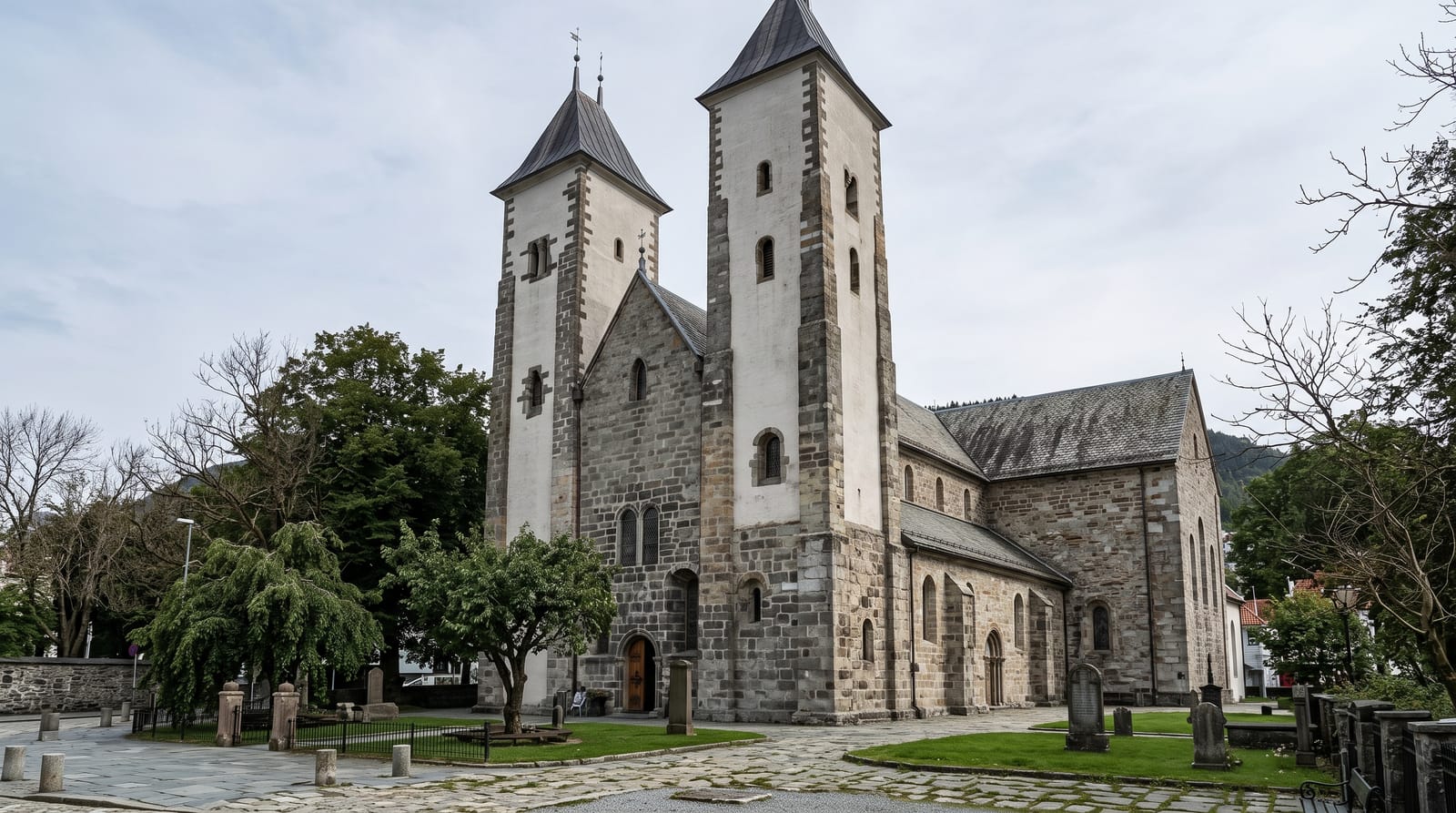
The Vall de Boi holds nine churches and a hermitage built between the eleventh and thirteenth centuries, an extraordinary concentration for a small Pyrenean valley, and their shared character, tall square bell towers of several storeys with paired windows, blind arcading and stonework showing Lombard influence, led UNESCO to inscribe them together in 2000. The two best known are Sant Climent de Taull, whose apse held the Pantocrator fresco now in Barcelona, with a reproduction projected in place, and Santa Maria de Taull. The paintings were removed in the 1920s to prevent them being sold abroad, which remains a sore point locally. The valley also gives access to the Aiguestortes national park and a thermal spa at Caldes de Boi.
What you'll find
- The Lombard bell towers - tall square towers with paired windows.
- Sant Climent de Taull - the apse with the Pantocrator projected in place.
- Santa Maria de Taull - a second church in the same village.
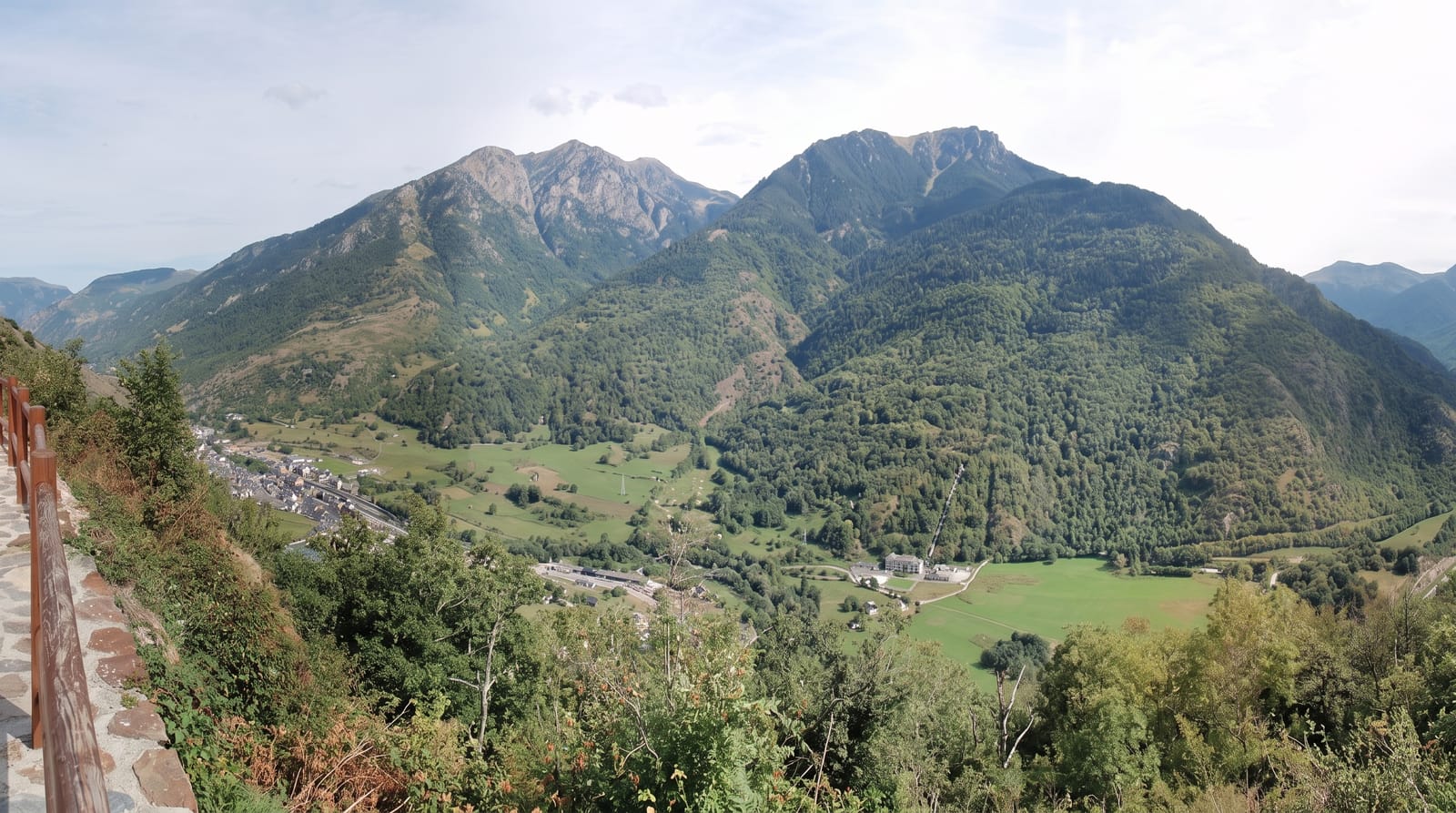
- The valley setting - Pyrenean slopes with the national park above.
When to go
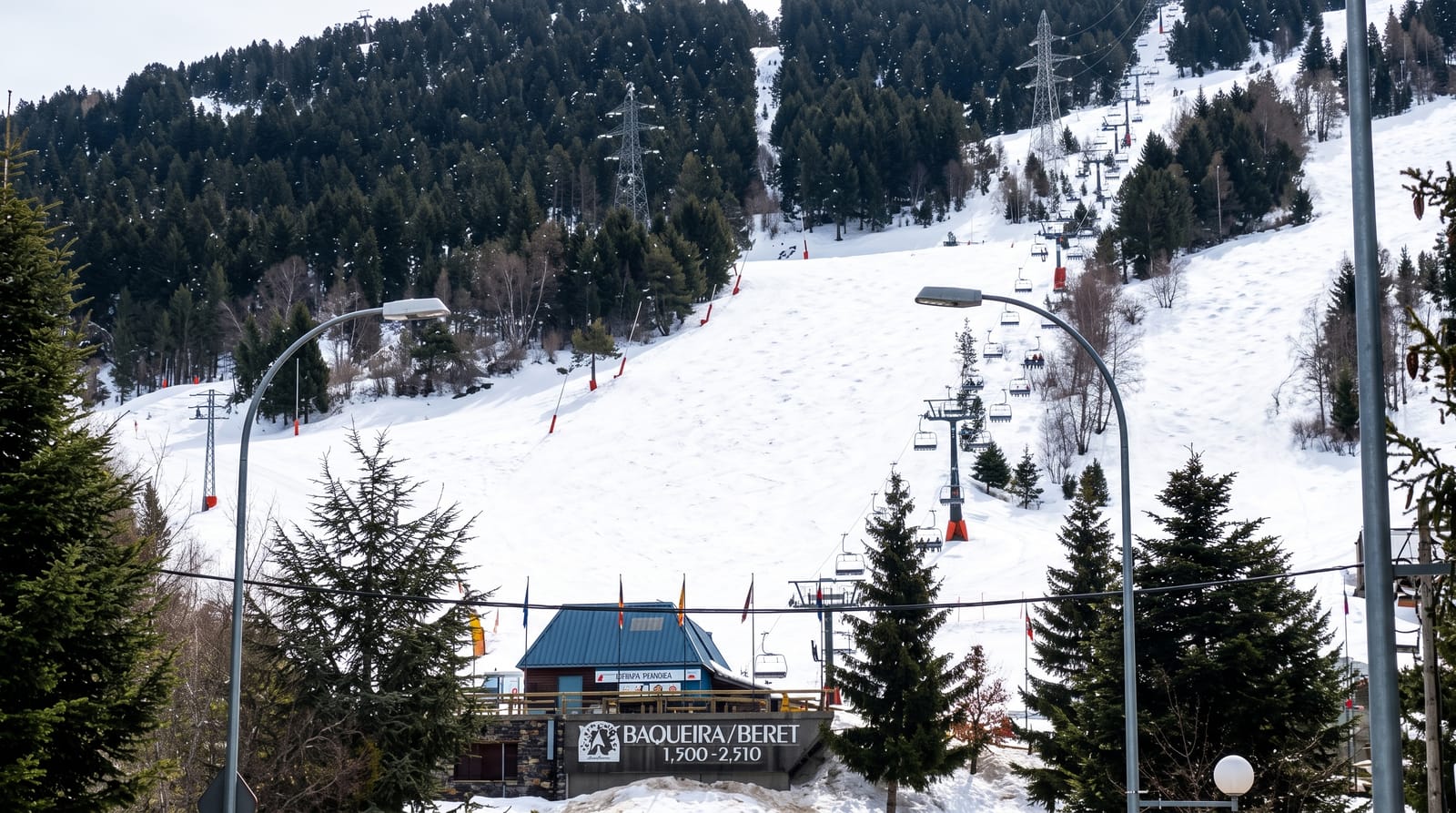
June to September, when all the churches are open and the mountain roads clear; winter brings snow and skiing at Boi Taull, with reduced church hours. The combined ticket covers several churches.
What to expect
The original frescoes are in Barcelona, and what visitors see in the apses are projections and copies. Churches keep set hours and some open only on request. The valley is remote, several hours from Barcelona.
Nearby
Aiguestortes national park is at the head of the valley; Caldes de Boi has thermal baths.
What to pack for Vall de Boi Churches
Chosen from what this place is for. Tap a kit for the full checklist.
- Warm base layers - Merino or synthetic against the skin - never cotton, which chills when damp. Find on Amazon
- Comfortable walking shoes - Sightseeing means kilometres of pavement and cobbles daily. Find on Amazon
- Swimwear - Needed at most public thermal pools; some traditional baths are nude and single-sex. Find on Amazon
- An insulated + windproof jacket - A down or synthetic layer under a hard shell handles most cold. Find on Amazon
Some links on this page are Amazon affiliate links - if you buy through them we may earn a small commission at no extra cost to you.
All packing kitsPlan your trip
Where to start if Vall de Boi Churches is going on the list.
Booking links on this page are affiliate links - if you book through them we may earn a small commission at no extra cost to you. It never changes what we write about a place.
Opening times, ticket prices and seasonal closures change - check the official source before you go: official site.