Ubeda and Baeza
Twin UNESCO-listed towns in Jaen whose Renaissance palaces and churches stand amid a sea of olive groves.
Updated 14 October 2026
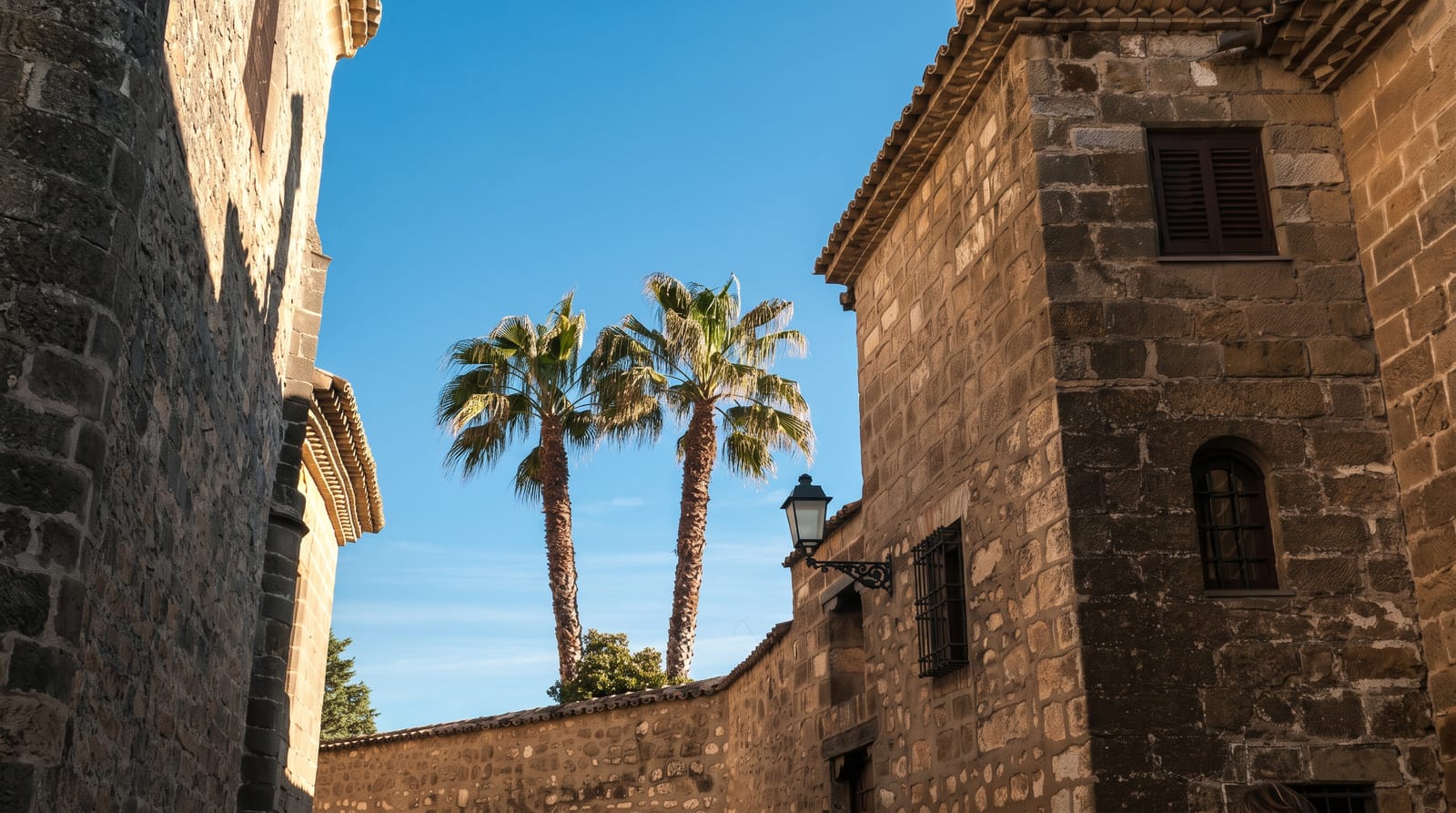
AI illustration
UNESCO World Heritage
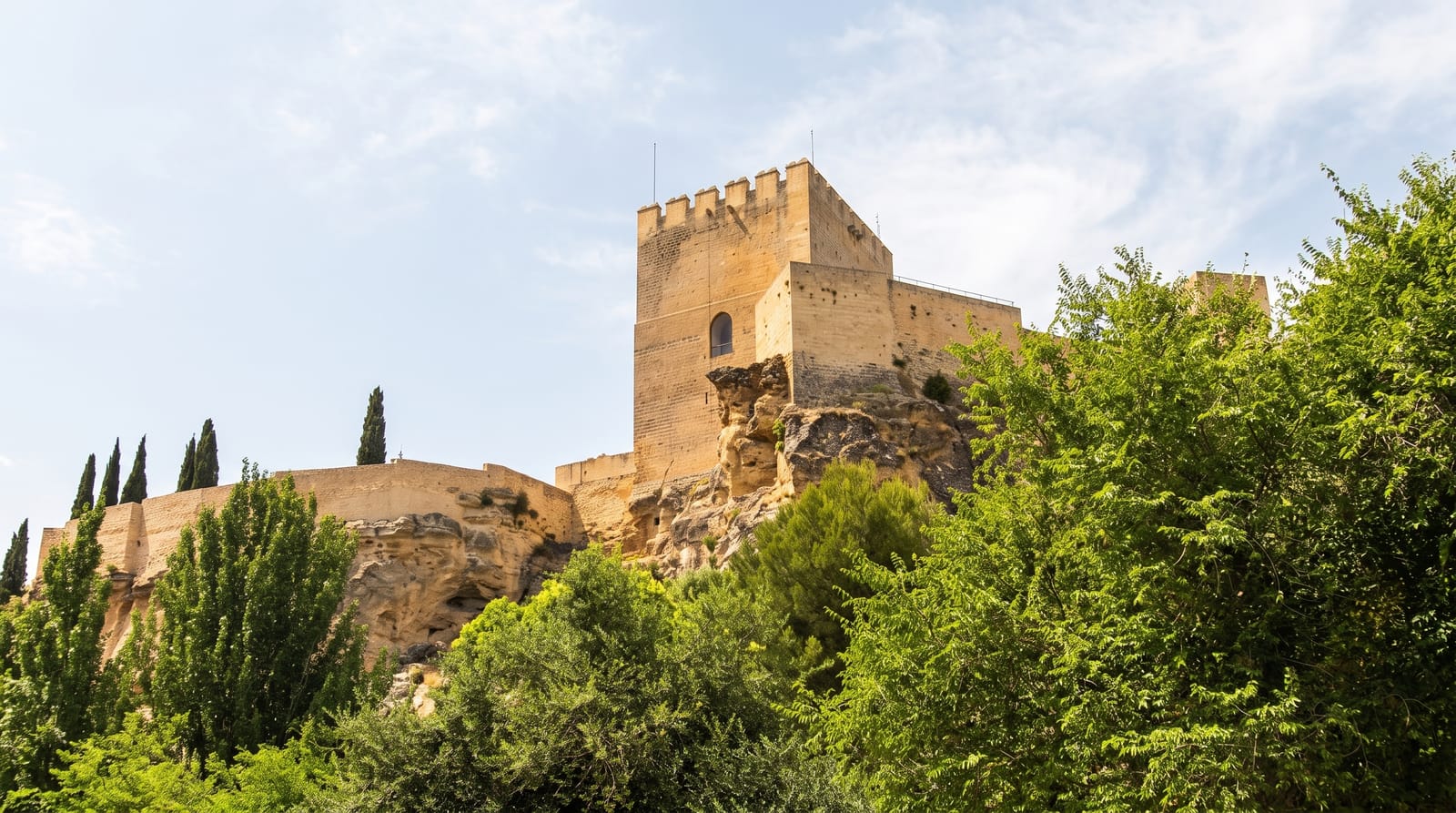
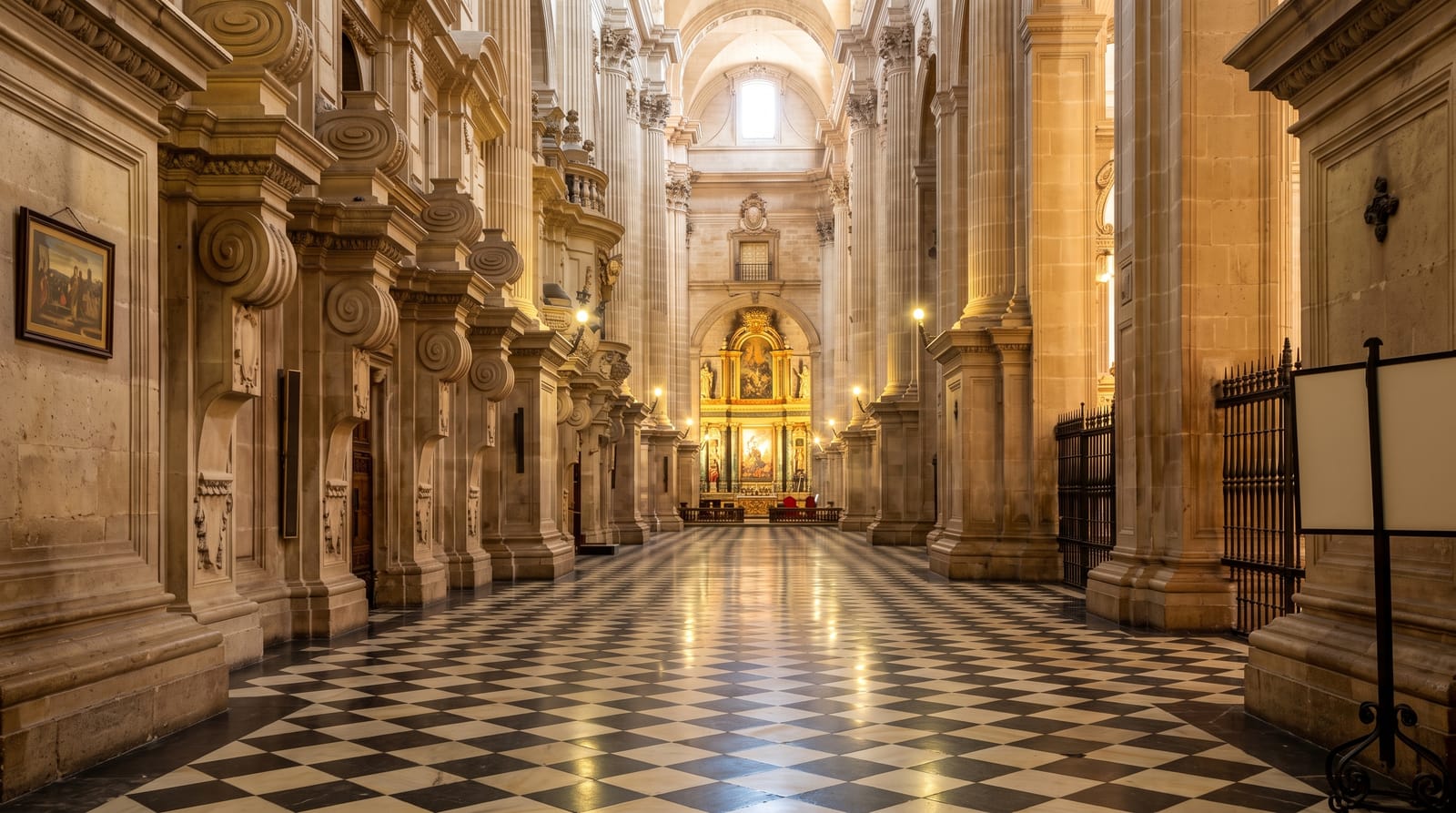
Ubeda and Baeza sit nine kilometres apart on ridges above the Guadalquivir valley, and both were rebuilt in the sixteenth century by nobles enriched by the American trade and by the reconquest, employing the architect Andres de Vandelvira, whose work defines them. In Ubeda the Plaza Vazquez de Molina holds the Sacra Capilla del Salvador, the Palacio de las Cadenas and the church of Santa Maria in one ensemble; in Baeza the cathedral, the seminary and the Palacio de Jabalquinto surround a smaller and quieter centre. Both were inscribed by UNESCO in 2003 as an example of how Italian Renaissance ideas were adapted in Spain. Around them run olive groves that continue unbroken for tens of kilometres.
What's there
- Plaza Vazquez de Molina - Ubeda's Renaissance ensemble in one square.
- The Sacra Capilla del Salvador - a funerary chapel by Vandelvira.
- Baeza's cathedral and seminary - the quieter of the two centres.
- The olive sea - unbroken groves stretching across the valley.
When to go
Spring and autumn; the Jaen summer is extremely hot and the towns have little shade. Olive harvest runs from November to February, when the groves are busy and the new oil appears.
Practical notes
Many monuments keep short and irregular hours with long midday closures, and some open only for guided visits. The two towns are similar in character, so a full day in each can feel repetitive. Public transport between them is limited.
Nearby
The Sierra de Cazorla lies east; Jaen and its cathedral are southwest.
What to pack for Ubeda and Baeza
Chosen from what this place is for. Tap a kit for the full checklist.
- Comfortable walking shoes - Sightseeing means kilometres of pavement and cobbles daily. Find on Amazon
- Modest clothing - Shoulders and knees covered - the single most common requirement. Find on Amazon
- A slim anti-theft daypack - Zips that close properly; keep it in front in crowds and on transit. Find on Amazon
- A scarf or shawl - To cover the head or shoulders on entry; women especially at mosques. Find on Amazon
Some links on this page are Amazon affiliate links - if you buy through them we may earn a small commission at no extra cost to you.
All packing kitsPlan your trip
Where to start if Ubeda and Baeza is going on the list.
Booking links on this page are affiliate links - if you book through them we may earn a small commission at no extra cost to you. It never changes what we write about a place.
Opening times, ticket prices and seasonal closures change - check the official source before you go: official site.