Santillana del Mar
A golden-stone Cantabrian village of manor houses and a Romanesque collegiate church, beside the Altamira caves.
Updated 21 October 2026
AI illustration
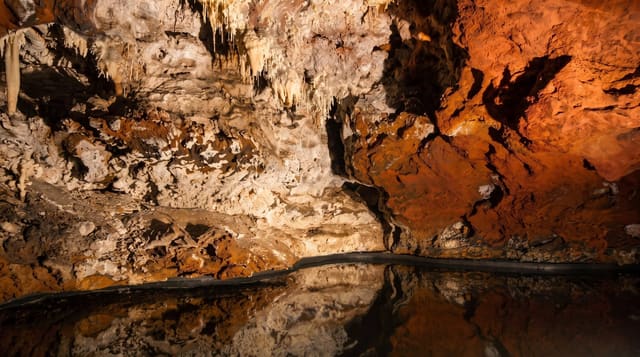
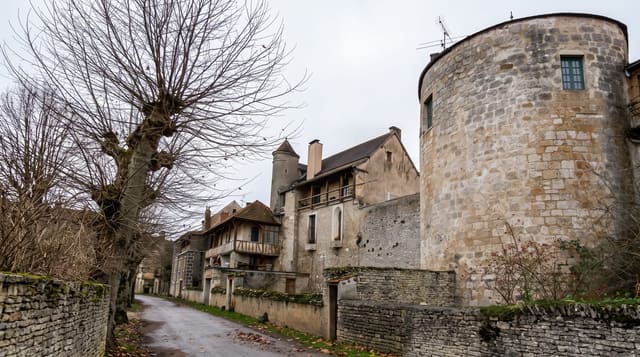
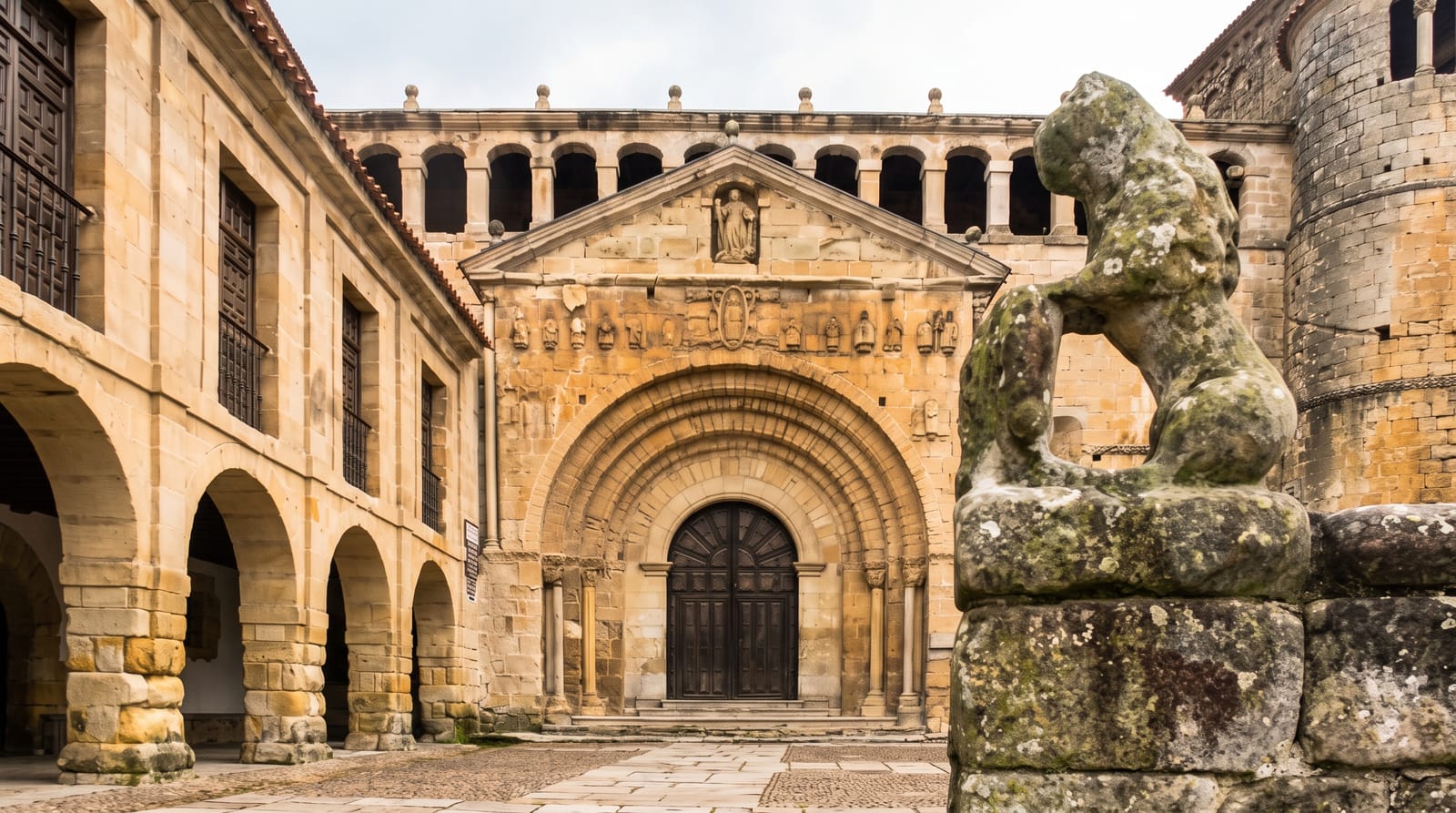
Santillana grew around a monastery holding the relics of Saint Juliana, and its collegiate church of the twelfth century has a carved Romanesque portal and a cloister with capitals of biblical and hunting scenes. The village that formed around it was a seat of Cantabrian nobility, and its two cobbled streets are lined with stone manor houses carrying carved coats of arms from the fifteenth to eighteenth centuries. A character in Sartre's Nausea calls it the prettiest village in Spain, and Lesage made it the birthplace of his picaresque hero Gil Blas; local wit notes the name is a triple lie, since it is neither holy nor flat nor on the sea. Two kilometres away are the Altamira caves, whose painted ceiling is closed to visitors, with a full-scale replica, the Neocueva, in the museum beside it.
Highlights
- The collegiate church - a twelfth-century Romanesque church and cloister.
- The manor houses - carved coats of arms along two cobbled streets.
- The Altamira replica - a full-scale copy of the painted cave ceiling nearby.
- The stone streets - a village largely closed to traffic.
When to go
April to June and September to November; the village is small and fills with coach groups from mid-morning through the afternoon, so early or late is much better. Cantabrian rain is frequent.
Practical notes
The original Altamira cave has been closed since 2002 apart from a lottery admitting five people a week, so what visitors see is a replica. The village is heavily commercialised with souvenir shops in most buildings. Parking is outside and charged.
Nearby
The Altamira museum is two kilometres away; Comillas and San Vicente lie west along the coast.
Key facts
Source: Wikidata, item Q493817, read on 18 October 2026.
What to pack for Santillana del Mar
Chosen from what this place is for. Tap a kit for the full checklist.
- Head torch + spare batteries - Hands-free light is essential; caves are truly dark. Find on Amazon
- Comfortable walking shoes - Sightseeing means kilometres of pavement and cobbles daily. Find on Amazon
- Modest clothing - Shoulders and knees covered - the single most common requirement. Find on Amazon
- Grippy closed shoes - Cave floors are wet, muddy and slick with formations. Find on Amazon
Some links on this page are Amazon affiliate links - if you buy through them we may earn a small commission at no extra cost to you.
All packing kitsPlan your trip
Where to start if Santillana del Mar is going on the list.
Booking links on this page are affiliate links - if you book through them we may earn a small commission at no extra cost to you. It never changes what we write about a place.
Opening times, ticket prices and seasonal closures change - check the official source before you go: official site.