Castell'Arquato
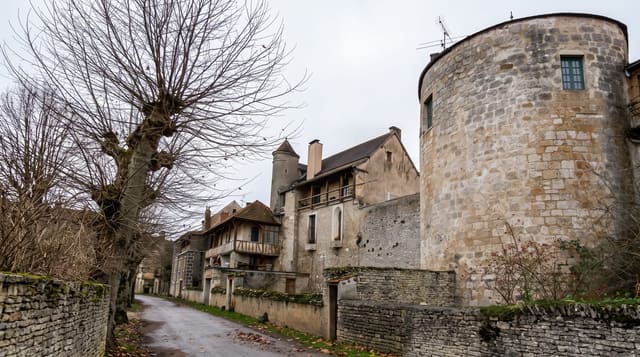
A terraced village of brick and stone stacked up a hillside, with fossil whales found in the clay below.
Updated 19 October 2026
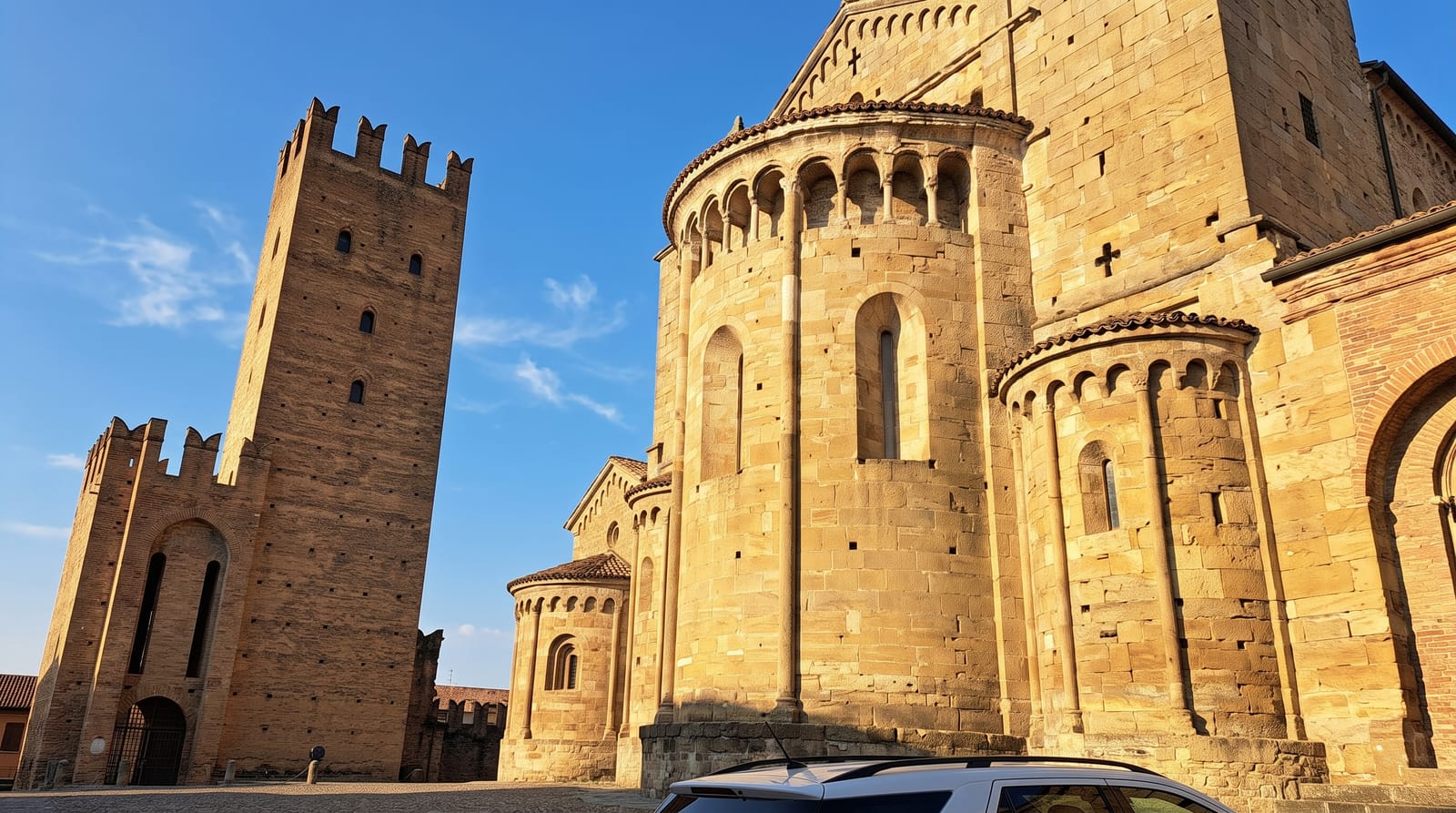
AI illustration
The village rises in terraces above the Arda valley, with the fourteenth-century Rocca Viscontea at the top, a collegiate church from 1122 below it and the Palazzo del Podestà of 1293 on the same small square, so three centuries of civic and religious building face each other. The clay hills around are rich in Pliocene marine fossils, including whale and dolphin remains; the geological museum in the village holds specimens found locally, and the area is a reference site for the Piacenzian stage of the geological timescale, named after nearby Piacenza. Monterosso Val d'Arda wine is made on the slopes.
History
The old town keeps much of the appearance it had in the early 10th century, on a high rock that once commanded the valley, and the opera librettist Luigi Illica, Puccini's long-time collaborator, is among its people (Wikipedia, Castell'Arquato).
The main sights
- The Rocca Viscontea - a fourteenth-century fortress at the top of the terraces.
- The Piazza Municipale - church, palace and fortress on one small square.
- The fossil museum - Pliocene whale and shell finds from the local clay.
- The terraced plan - a village stacked in stages up the hillside.
When to go
April to October; food and wine festivals run through the autumn. Summer weekends bring day trippers from Milan and Piacenza. Winter is quiet and foggy.
Good to know
The village is small and steep, with parking below. The fossil museum is modest. Fog on the plain in winter can obscure the valley views entirely.
Nearby
Piacenza lies north; the Arda valley runs south.
Key facts
Source: Wikidata, item Q102631, read on 18 October 2026.
What to pack for Castell'Arquato
Chosen from what this place is for. Tap a kit for the full checklist.
- Binoculars - The single best wildlife tool - even a compact pair transforms a sighting. Find on Amazon
- Comfortable walking shoes - Sightseeing means kilometres of pavement and cobbles daily. Find on Amazon
- A zoom camera or long lens - Animals rarely come close; reach beats megapixels. Find on Amazon
- A slim anti-theft daypack - Zips that close properly; keep it in front in crowds and on transit. Find on Amazon
Some links on this page are Amazon affiliate links - if you buy through them we may earn a small commission at no extra cost to you.
All packing kitsPlan your trip
Where to start if Castell'Arquato is going on the list.
Booking links on this page are affiliate links - if you book through them we may earn a small commission at no extra cost to you. It never changes what we write about a place.
Opening times, ticket prices and seasonal closures change - check the official source before you go: official site.