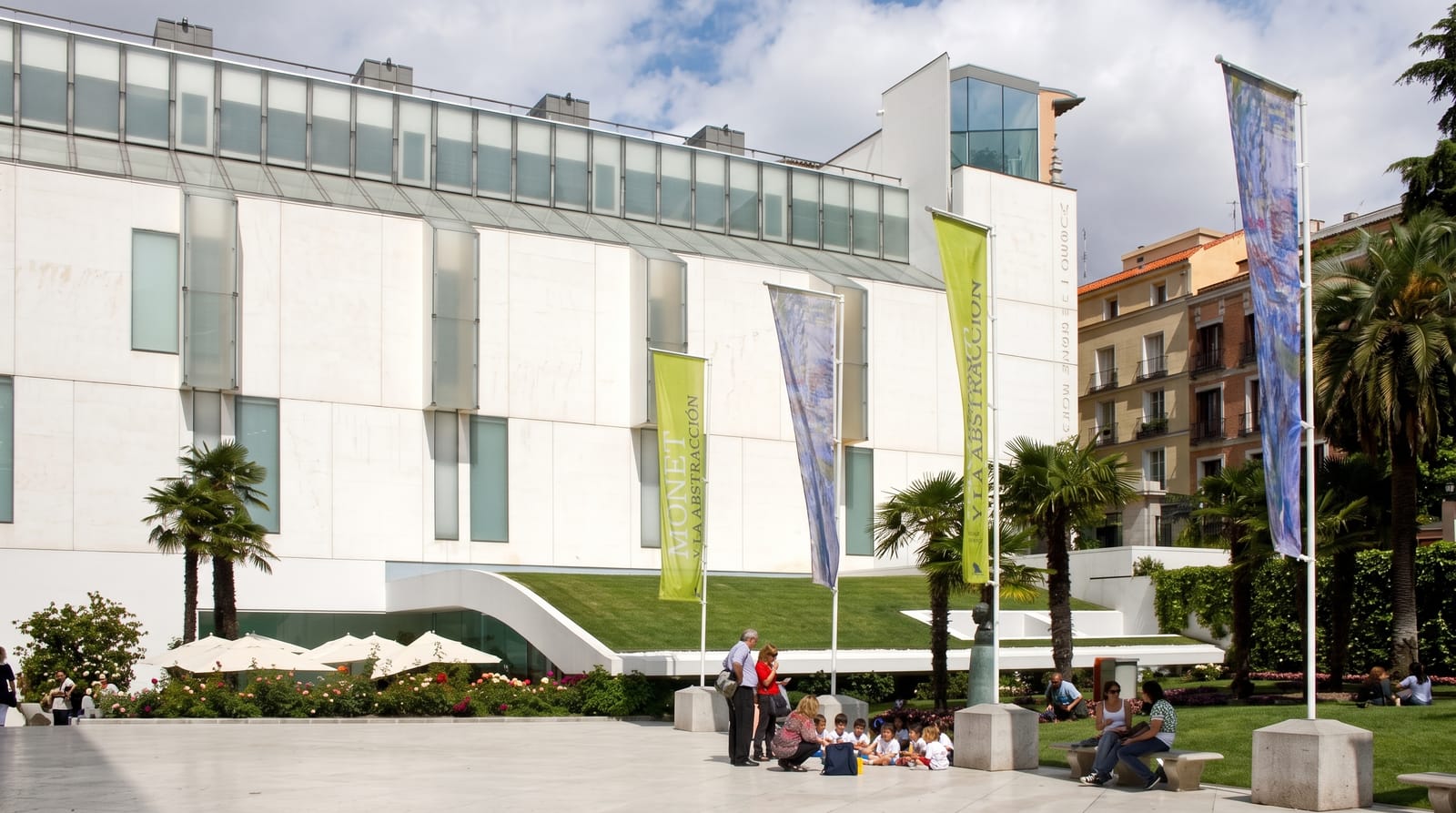
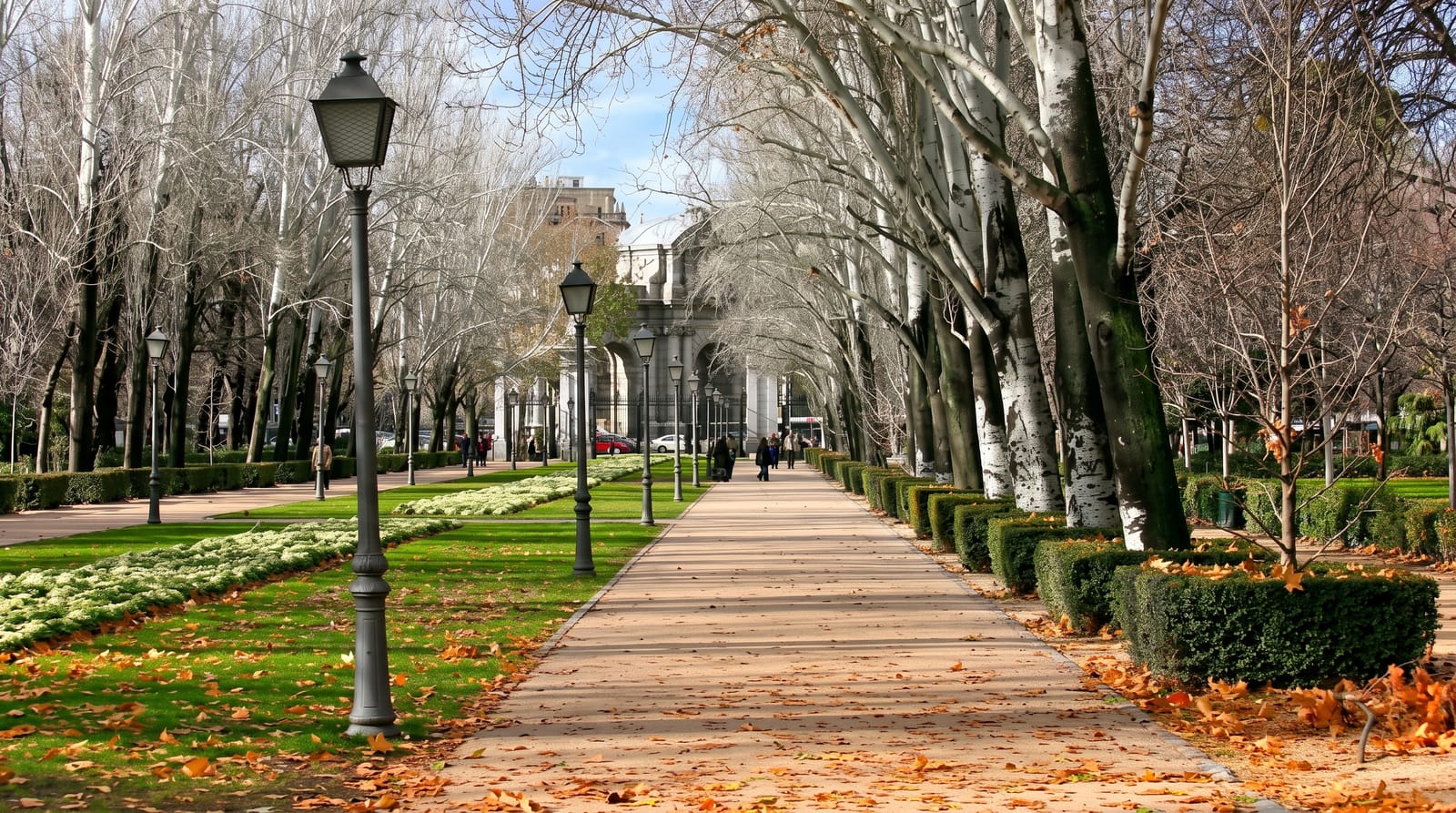
Museo Arqueologico Nacional
Spain's national archaeology museum, holding the Lady of Elche, Visigothic crowns and a replica of the Altamira ceiling.
Updated 12 October 2026
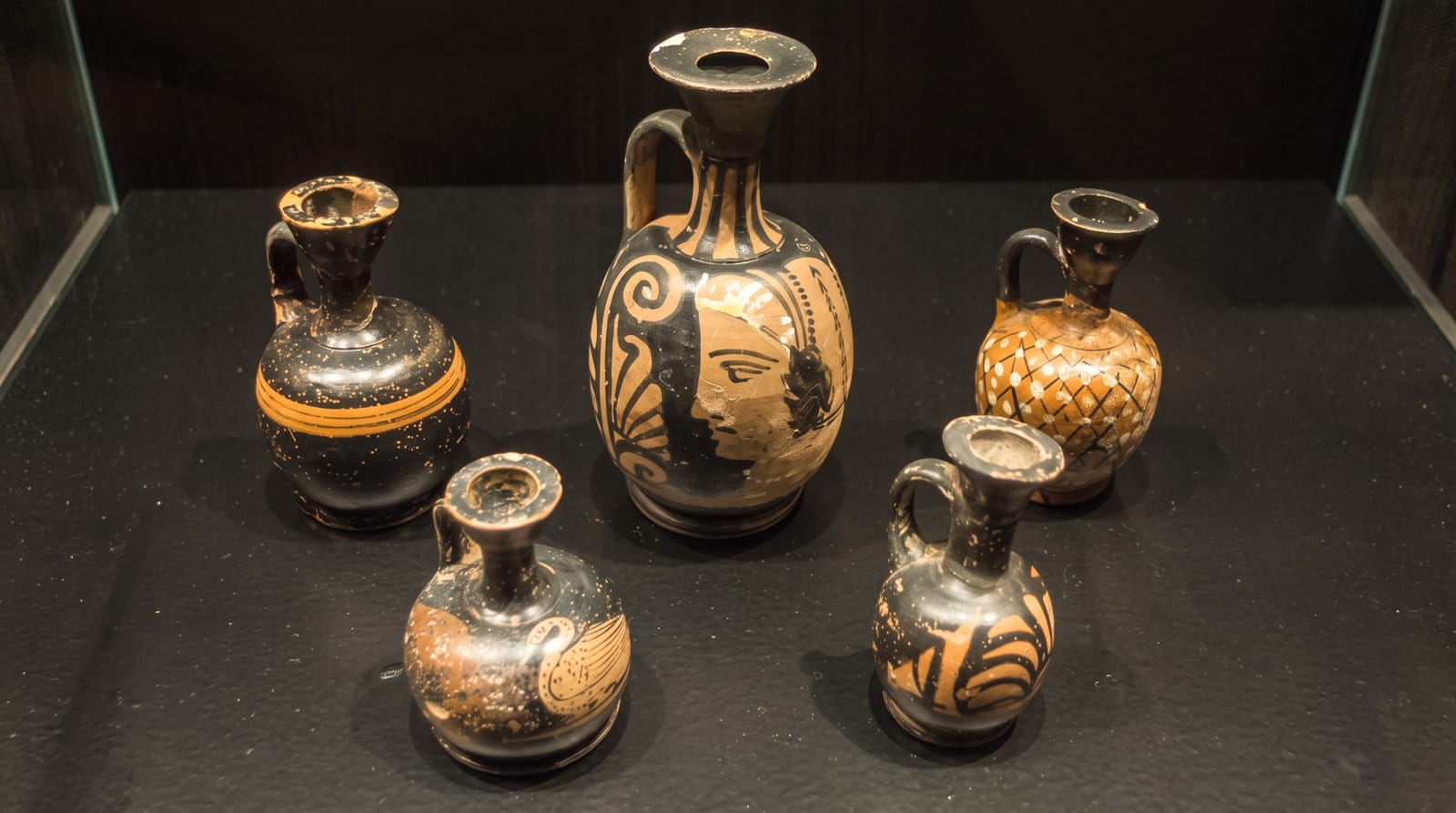
AI illustration
The museum was founded in 1867 and reopened in 2014 after a six-year rebuild that reorganised it chronologically from prehistory to the nineteenth century. Its best-known object is the Lady of Elche, a painted limestone bust of a woman with elaborate wheel-shaped headdresses found in Alicante in 1897, Iberian work of around the fourth century BC and one of the defining images of pre-Roman Spain. Beside it are the Guarrazar treasure of Visigothic votive crowns in gold and gems, the Lady of Baza, extensive Roman mosaics and sculpture, and Islamic material from al-Andalus. In the garden outside, a full-scale replica of the Altamira cave ceiling with its bison can be entered.
The main sights
- The Lady of Elche - an Iberian limestone bust of the fourth century BC.
- The Guarrazar crowns - Visigothic votive gold from the seventh century.
- The Altamira replica - a full-scale copy of the painted cave ceiling.
- The al-Andalus rooms - Islamic ivories, ceramics and architecture.
When to go
Year-round; the museum closes on Mondays and offers free entry from mid-afternoon on weekdays and on Sunday mornings, which are consequently busy. The collection is large enough to justify a half day.
Good to know
The chronological route is long and few visitors finish it in one go. Labelling is thorough in Spanish with shorter English text. The Altamira replica is in the garden and separate from the main circuit, and it is easy to miss.
Nearby
The Salamanca district and Plaza de Colon are alongside; the Prado is a twenty-minute walk south.
Key facts
Source: Wikidata, item Q1352282, read on 18 October 2026.
What to pack for Museo Arqueologico Nacional
Chosen from what this place is for. Tap a kit for the full checklist.
- Head torch + spare batteries - Hands-free light is essential; caves are truly dark. Find on Amazon
- Comfortable walking shoes - Sightseeing means kilometres of pavement and cobbles daily. Find on Amazon
- Grippy closed shoes - Cave floors are wet, muddy and slick with formations. Find on Amazon
- A slim anti-theft daypack - Zips that close properly; keep it in front in crowds and on transit. Find on Amazon
Some links on this page are Amazon affiliate links - if you buy through them we may earn a small commission at no extra cost to you.
All packing kitsPlan your trip
Where to start if Museo Arqueologico Nacional is going on the list.
Booking links on this page are affiliate links - if you book through them we may earn a small commission at no extra cost to you. It never changes what we write about a place.
Opening times, ticket prices and seasonal closures change - check the official source before you go: official site.