Empuries
A Greek trading port founded around 575 BC beside a later Roman city, on a beach on the Gulf of Roses.
Updated 4 September 2026

AI illustration
Greeks from Phocaea founded Emporion here around 575 BC as a trading post, and it is the only place on the Iberian peninsula where Greek remains are visible in situ; a Roman city was later built on the higher ground beside it after Scipio landed here in 218 BC at the start of the campaign against Carthage. The two are visible together: the Greek town with its agora, stoa, temples, cisterns and a mole in the water, and the Roman city with houses, mosaic floors, a forum and an amphitheatre outside the walls. A statue of Asclepius, a copy of the one found here, stands in the Greek sanctuary. The site runs down to a beach, and the coastal path continues to L'Escala and Sant Marti d'Empuries.
What you'll find
- The Greek town - agora, temples and cisterns of the sixth-century BC port.
- The Roman city - houses with mosaic floors, forum and amphitheatre.
- The Asclepius statue - a copy standing in the Greek sanctuary.
- The beach setting - ruins running down to the shore of the gulf.
When to go
April to June and September to October; the site is open with little shade and summer is hot. Combining it with a swim at the adjacent beach is the usual approach. It closes earlier in winter.
Things to know
There is almost no shade and the site is large. Much of the Roman city remains unexcavated under fields. The museum on site is small and the main finds are in Barcelona.
Nearby
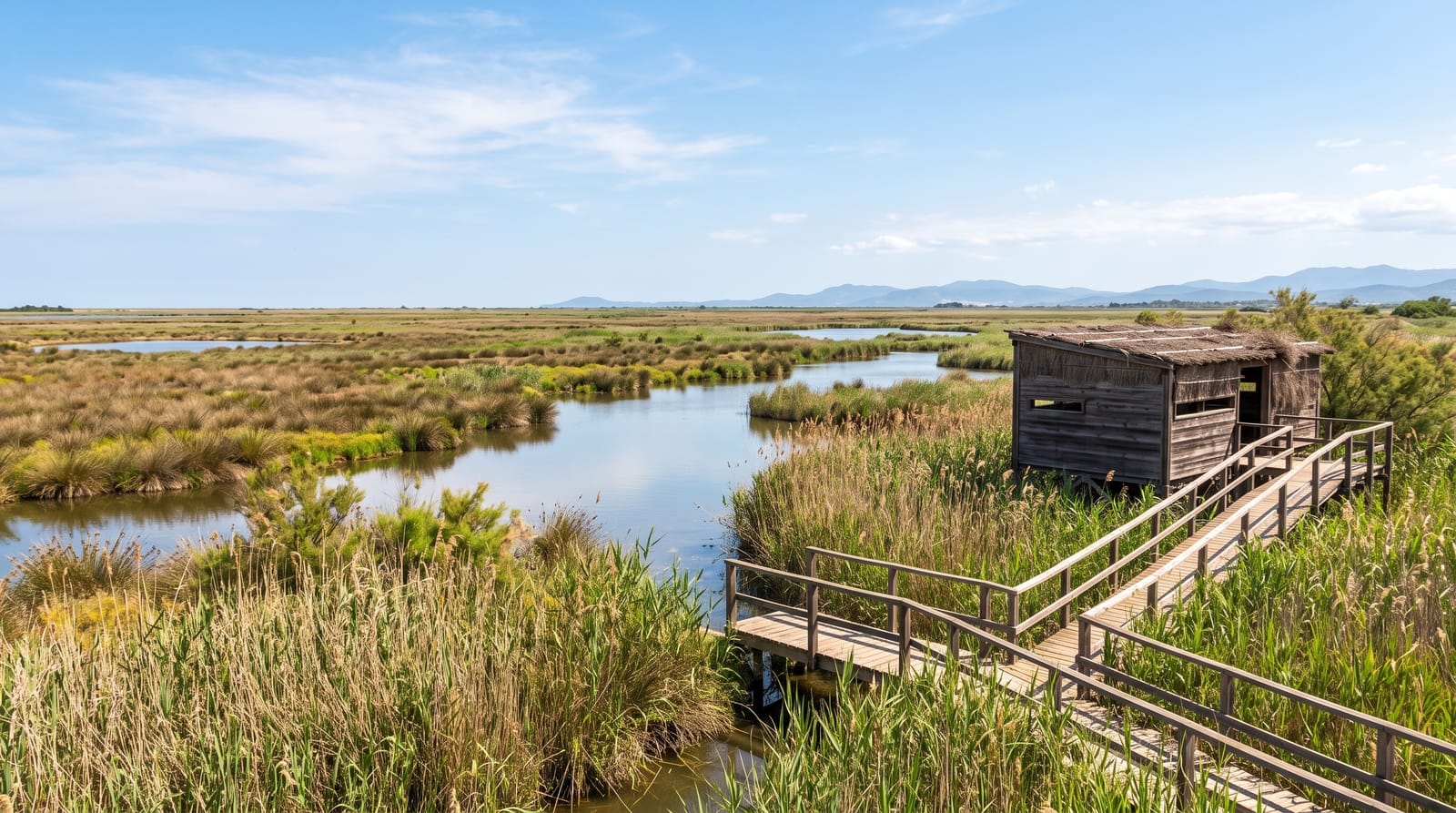
Sant Marti d'Empuries and L'Escala are alongside; the Aiguamolls wetland lies north.
Key facts
Source: Wikidata, item Q1229367, read on 18 October 2026.
What to pack for Empuries
Chosen from what this place is for. Tap a kit for the full checklist.
- Comfortable walking shoes - Sightseeing means kilometres of pavement and cobbles daily. Find on Amazon
- Modest clothing - Shoulders and knees covered - the single most common requirement. Find on Amazon
- A slim anti-theft daypack - Zips that close properly; keep it in front in crowds and on transit. Find on Amazon
- A scarf or shawl - To cover the head or shoulders on entry; women especially at mosques. Find on Amazon
Some links on this page are Amazon affiliate links - if you buy through them we may earn a small commission at no extra cost to you.
All packing kitsPlan your trip
Where to start if Empuries is going on the list.
Booking links on this page are affiliate links - if you book through them we may earn a small commission at no extra cost to you. It never changes what we write about a place.
Opening times, ticket prices and seasonal closures change - check the official source before you go: official site.