Chillida Leku
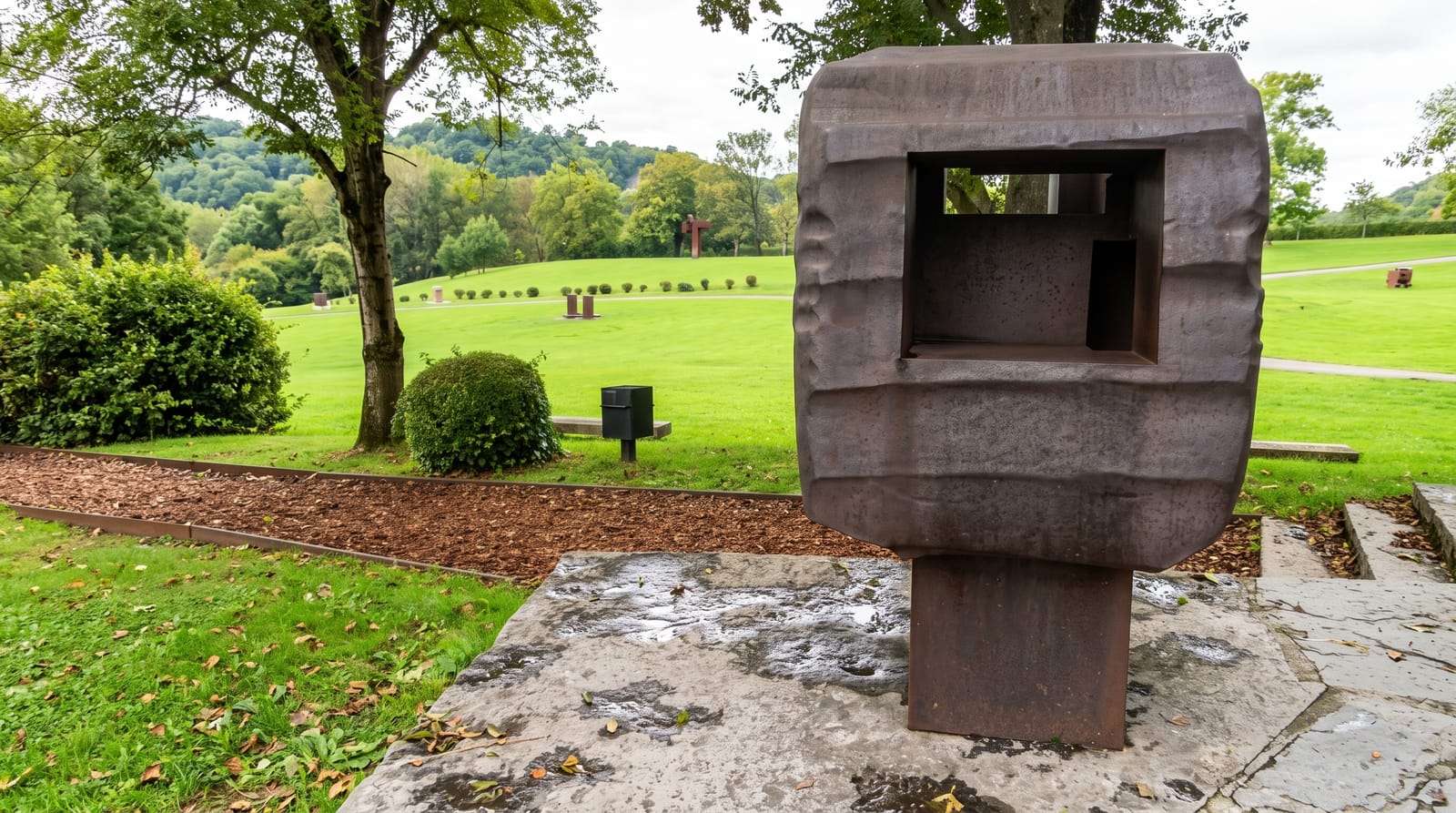
Forty iron and granite sculptures by Eduardo Chillida standing in a Basque meadow around a restored sixteenth-century farmhouse.
Updated 12 October 2026
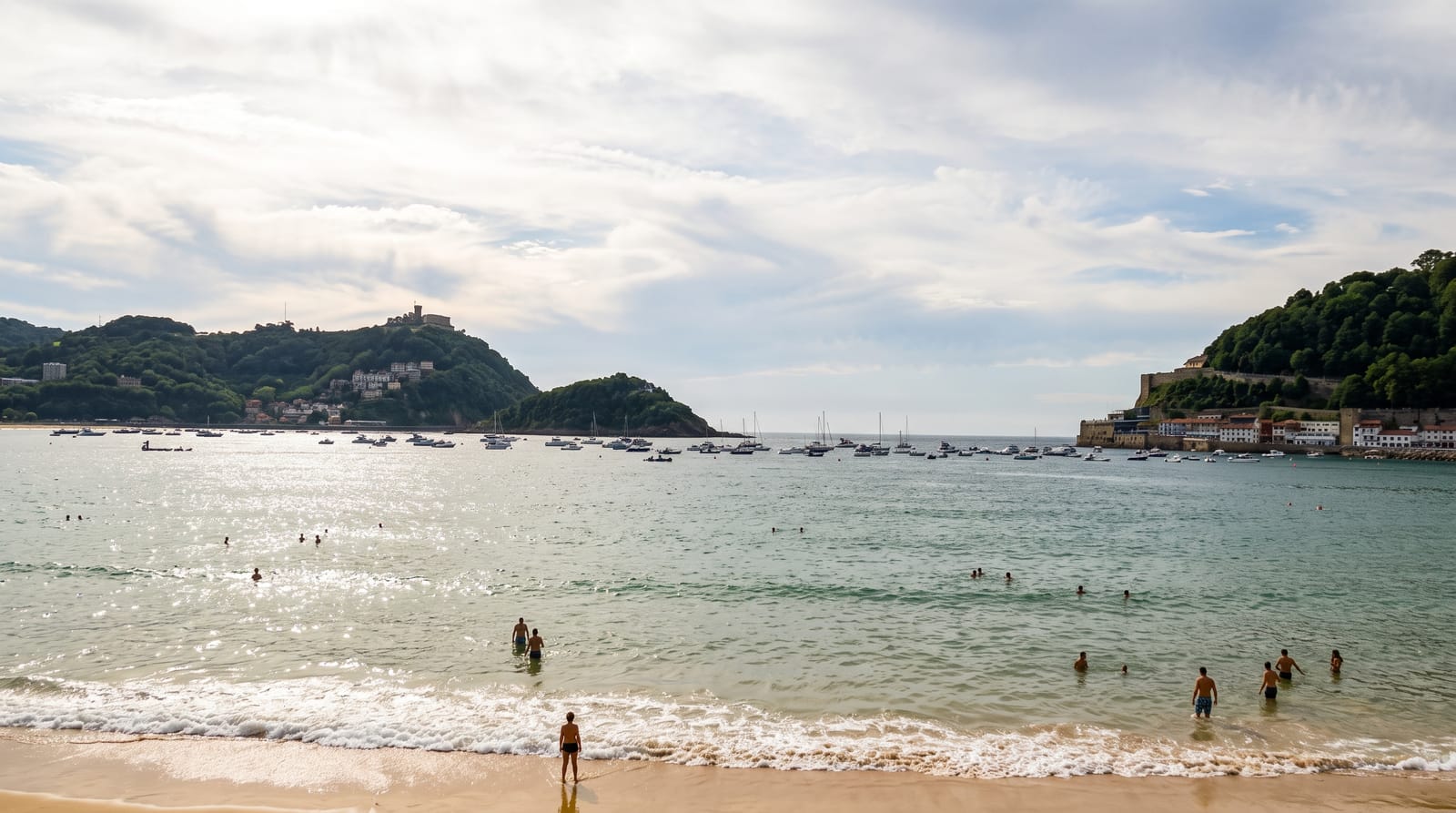
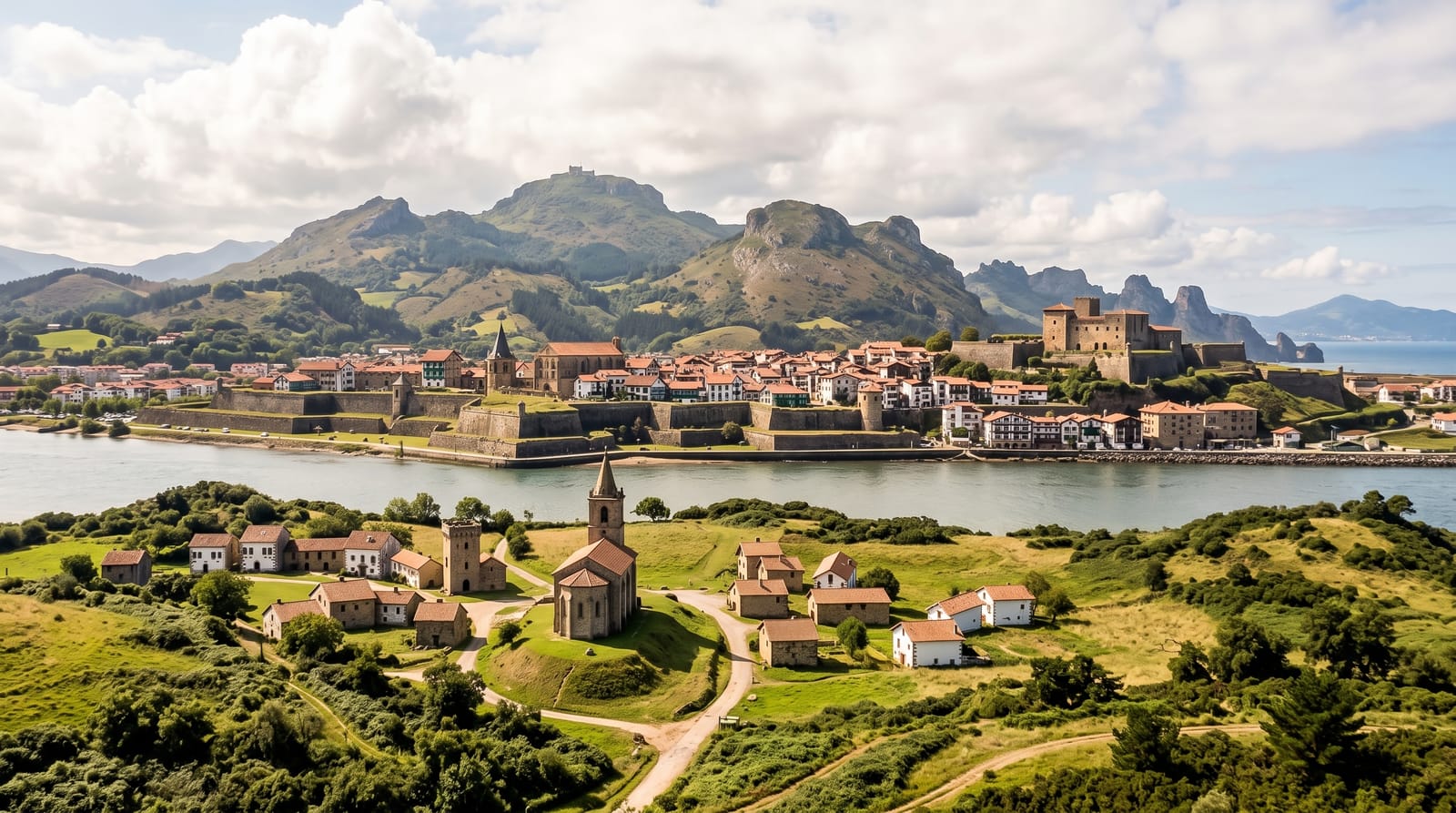
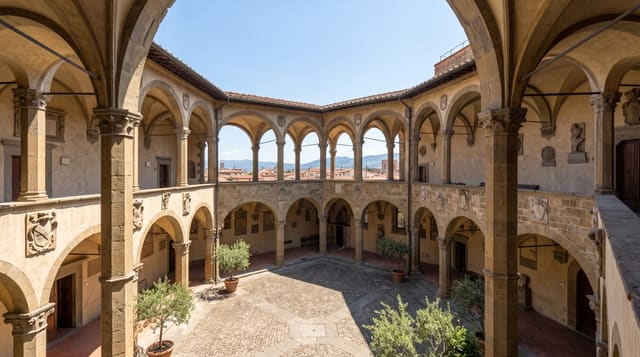
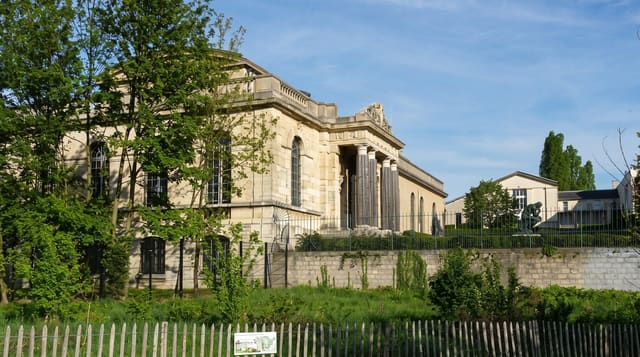
AI illustration
Eduardo Chillida bought the Zabalaga farmhouse and its land in 1983 and spent years restoring the building and placing his work in the meadows and oak woods around it, opening it in 2000 as a museum he intended as a place where people could walk among sculptures and rest under the trees. Around forty large works in Corten steel, iron and granite stand outdoors, several of them from the series exploring space, weight and the gap between masses, with smaller pieces, drawings and studies inside the farmhouse. He died in 2002. The museum closed in 2011 for financial reasons and reopened in 2019 under a new arrangement with the Hauser and Wirth gallery. The grounds cover about eleven hectares.
What you'll find
- The meadow sculptures - around forty large iron and granite works outdoors.
- The Zabalaga farmhouse - a restored sixteenth-century baserri holding smaller pieces.
- The oak woods - planted grounds designed as a setting for the work.
- The Corten steel - rusted surfaces changing with weather and season.
When to go
April to June and September to November; the setting is outdoors and Basque rain is frequent. Autumn colour in the oaks suits the rusted steel. The museum closes on Tuesdays outside high season.
Things to know
Most of the visit is outdoors in a wet climate, so weather shapes it considerably. The work is abstract and demanding; visitors without interest in it find the grounds pleasant but the point elusive. Getting there needs a bus or car.
Nearby
San Sebastian is eight kilometres north; the Peine del Viento, also by Chillida, is on its bay.
Key facts
Source: Wikidata, item Q1072981, read on 18 October 2026.
What to pack for Chillida Leku
Chosen from what this place is for. Tap a kit for the full checklist.
- Comfortable walking shoes - Sightseeing means kilometres of pavement and cobbles daily. Find on Amazon
- A slim anti-theft daypack - Zips that close properly; keep it in front in crowds and on transit. Find on Amazon
- A refillable water bottle - Many cities have public fountains; save money and plastic. Find on Amazon
- A light layer + compact umbrella - For museum air-con and a sudden shower. Find on Amazon
Some links on this page are Amazon affiliate links - if you buy through them we may earn a small commission at no extra cost to you.
All packing kitsPlan your trip
Where to start if Chillida Leku is going on the list.
Booking links on this page are affiliate links - if you book through them we may earn a small commission at no extra cost to you. It never changes what we write about a place.
Opening times, ticket prices and seasonal closures change - check the official source before you go: official site.