Albaicin
Granada's old Moorish quarter of stepped lanes and walled carmen gardens, facing the Alhambra across a ravine.
Updated 18 October 2026

AI illustration
UNESCO World Heritage
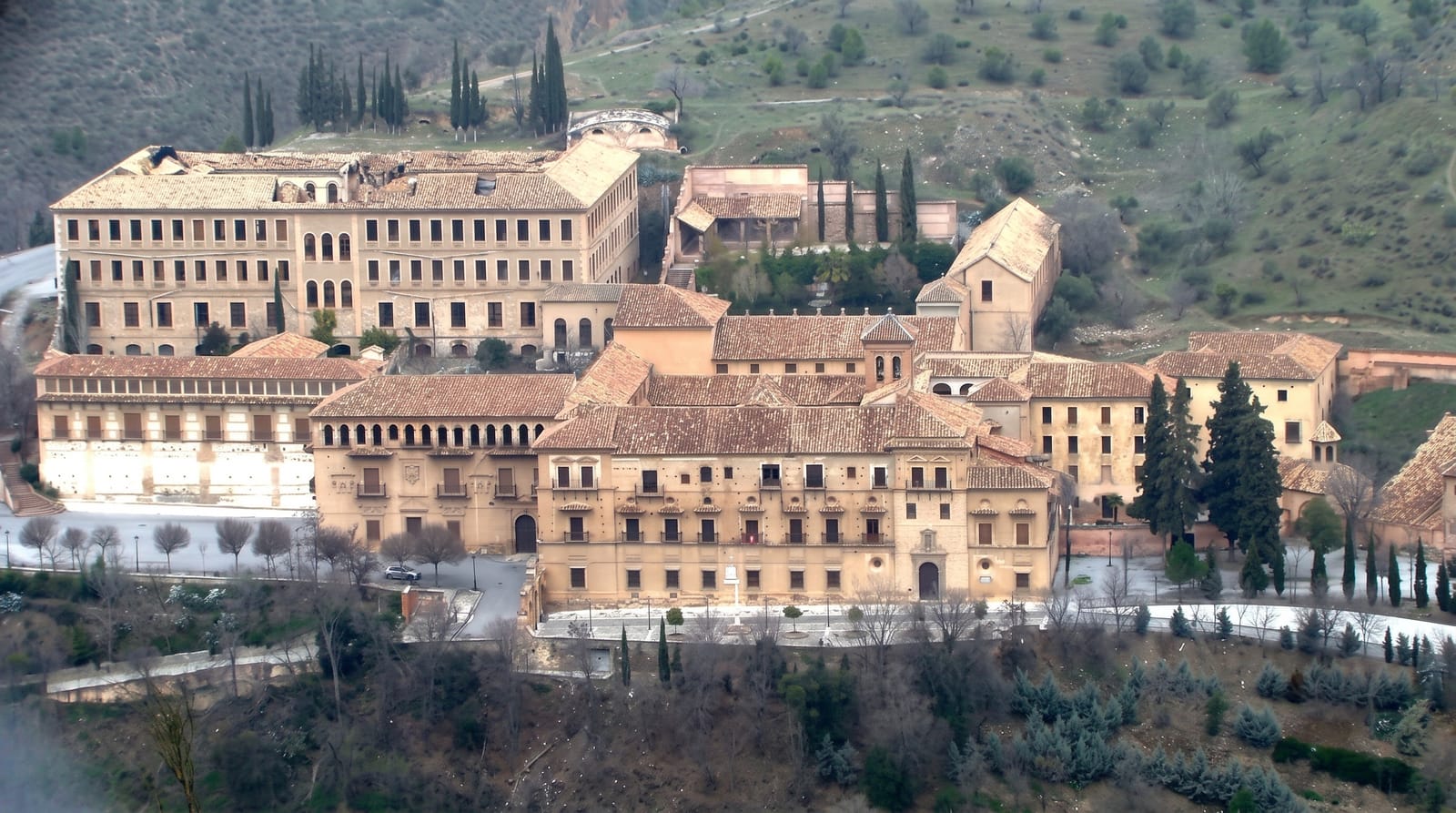
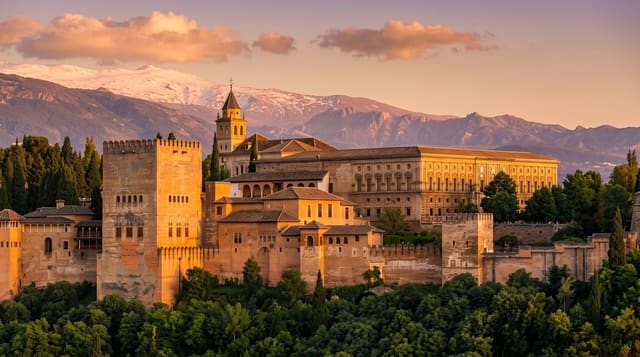
The Albaicin occupies the hill facing the Alhambra across the Darro ravine and keeps the street plan of the Moorish city: narrow stepped lanes running at odd angles, high whitewashed walls, and behind them the carmenes, walled houses with terraced gardens of cypress, jasmine and fruit trees hidden from the street. It was inscribed by UNESCO in 1994 as an extension of the Alhambra listing. The Mirador de San Nicolas gives the classic view of the Alhambra with the Sierra Nevada behind, best in late afternoon and consequently crowded. Remains of the eleventh-century walls, Moorish cisterns, the El Banuelo bath house and the Dar al-Horra palace survive within the quarter.
History
People have lived around Granada since at least 5500 BC, the Iberian Bastetani founded the oppidum of Ilturir around 650 BC, and digs on the Albaicín hill have found a significant Roman town, though how it relates to Roman Iliberis is still debated. Under the emirate and caliphate of Córdoba the hill held a small fortified settlement called Gharnata, mainly Jewish, and after the caliphate fell apart in 1009 the Zirid leader Zawi ben Ziri made it the seat of his Taifa of Granada, building the Old Citadel and his palace here and walling a city of about 75 hectares, whose northern stretch and the gate now called Puerta Monaita survive. The quarter kept much of its medieval street plan of the Nasrid period, the 13th to 15th centuries, through the many changes that followed the end of the Reconquista in 1492, and in 1994 it was added to the World Heritage Site of the Alhambra (Wikipedia, Albaicín).
What's there
- Mirador de San Nicolas - the classic Alhambra view with the sierra behind.
- The carmen gardens - walled terraced gardens hidden behind high walls.
- El Banuelo - an eleventh-century Moorish bath house.
- The stepped lanes - a Moorish street plan largely intact.
When to go
Spring and autumn; late afternoon and sunset draw crowds to San Nicolas, so slightly earlier or a different mirador is quieter. Summer heat makes the climb hard, and the lanes are steep in any season.
Before you go
The lanes are steep, cobbled and confusing, and getting lost is normal. San Nicolas is heavily crowded at sunset with buskers and vendors, and pickpocketing is reported there. Cars are impractical; the minibuses are the sensible option.
Nearby
Sacromonte adjoins the quarter to the east; the Alhambra is across the ravine and the cathedral below.
Key facts
Source: Wikidata, item Q576339, read on 18 October 2026.
What to pack for Albaicin
Chosen from what this place is for. Tap a kit for the full checklist.
- Comfortable walking shoes - Sightseeing means kilometres of pavement and cobbles daily. Find on Amazon
- Modest clothing - Shoulders and knees covered - the single most common requirement. Find on Amazon
- A slim anti-theft daypack - Zips that close properly; keep it in front in crowds and on transit. Find on Amazon
- A scarf or shawl - To cover the head or shoulders on entry; women especially at mosques. Find on Amazon
Some links on this page are Amazon affiliate links - if you buy through them we may earn a small commission at no extra cost to you.
All packing kitsPlan your trip
Where to start if Albaicin is going on the list.
Booking links on this page are affiliate links - if you book through them we may earn a small commission at no extra cost to you. It never changes what we write about a place.
Opening times, ticket prices and seasonal closures change - check the official source before you go: official site.