Sacromonte
A hillside of whitewashed cave dwellings in Granada, historically Roma and the home of the zambra flamenco form.
Updated 4 September 2026
AI illustration
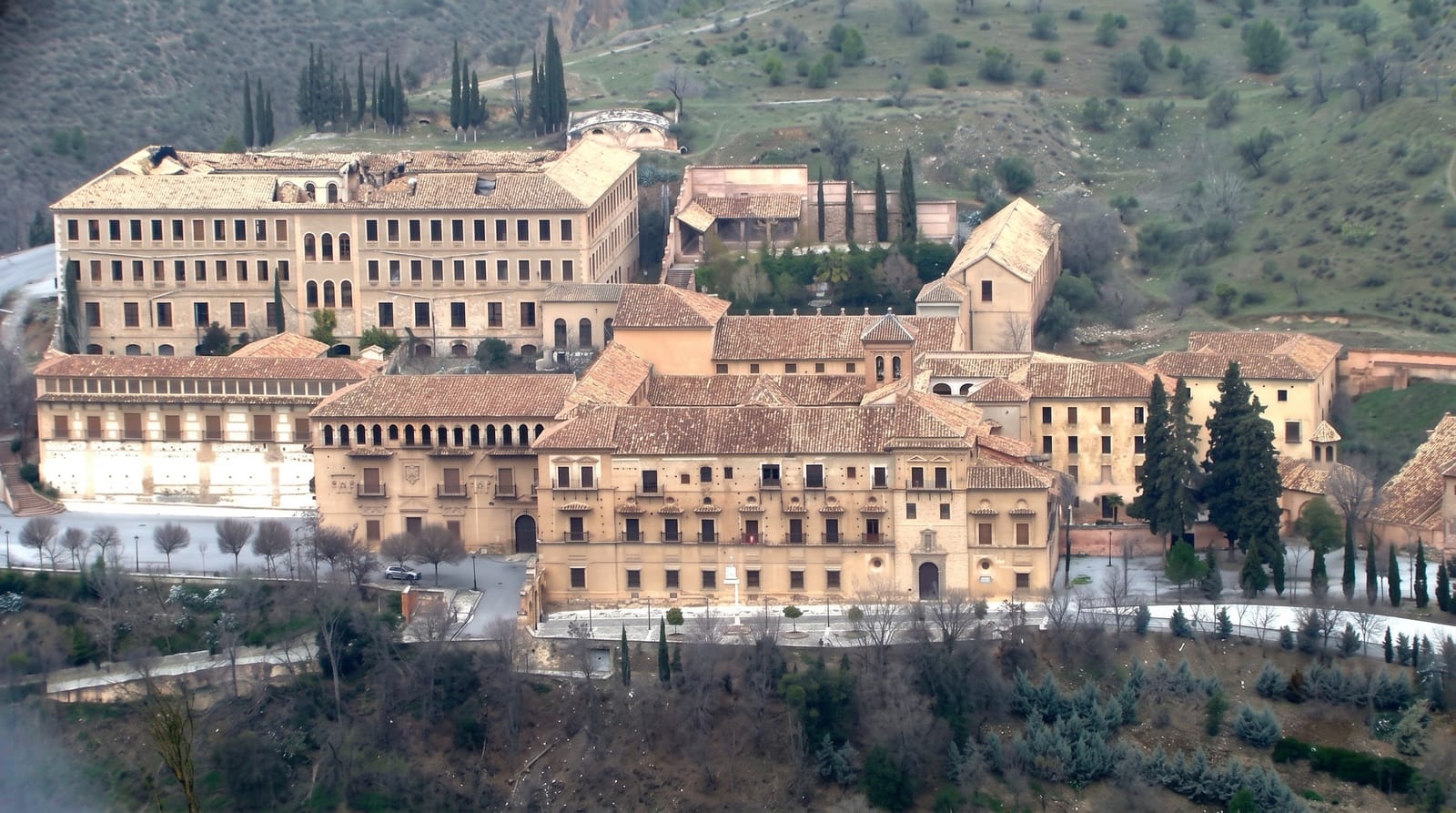
Sacromonte rises above the Darro valley east of the Albaicin, and its houses are cut into the soft hillside: whitewashed fronts with a chimney and a door, and rooms dug back into the rock behind, cool in summer and warm in winter. Roma families settled here from the sixteenth century after being pushed out of the city proper, and the quarter became the home of the zambra, a flamenco form that grew out of Roma wedding traditions and is performed in the cave rooms themselves. A flood in 1963 destroyed many caves and dispersed the population, and much of what operates now is aimed at visitors. The Museo Cuevas del Sacromonte preserves furnished caves and explains the way of life.
What you'll find
- The cave houses - whitewashed dwellings dug into the hillside.
- The zambra shows - flamenco performed in cave rooms.
- The Sacromonte museum - furnished caves and displays on the quarter's life.
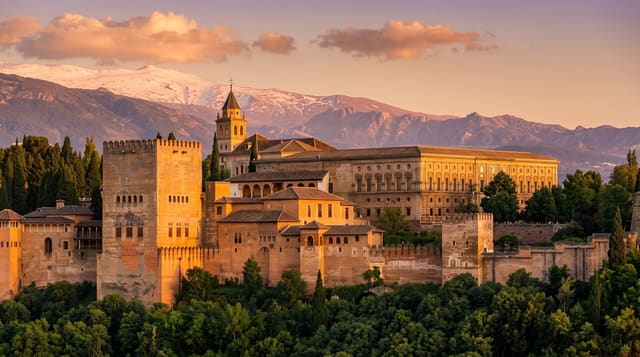
- The Alhambra view - the palace seen from the hillside path.
When to go
Spring and autumn for walking the steep paths; shows run year-round in the evenings and need booking. Summer heat on the exposed hillside is severe, though the caves themselves stay cool.
Things to know
Most cave shows are tourist operations of variable quality, and prices are high for what is often a short performance with a drink. The walk up is steep and the paths are rough. Some caves are occupied homes and photographing them intrudes.
Nearby
The Albaicin adjoins to the west; the Alhambra faces the quarter across the Darro valley.
Key facts
Source: Wikidata, item Q2842387, read on 18 October 2026.
What to pack for Sacromonte
Chosen from what this place is for. Tap a kit for the full checklist.
- Head torch + spare batteries - Hands-free light is essential; caves are truly dark. Find on Amazon
- Comfortable walking shoes - Sightseeing means kilometres of pavement and cobbles daily. Find on Amazon
- Grippy closed shoes - Cave floors are wet, muddy and slick with formations. Find on Amazon
- A slim anti-theft daypack - Zips that close properly; keep it in front in crowds and on transit. Find on Amazon
Some links on this page are Amazon affiliate links - if you buy through them we may earn a small commission at no extra cost to you.
All packing kitsPlan your trip
Where to start if Sacromonte is going on the list.
Booking links on this page are affiliate links - if you book through them we may earn a small commission at no extra cost to you. It never changes what we write about a place.
Opening times, ticket prices and seasonal closures change - check the official source before you go: official site.