Namhae German Village
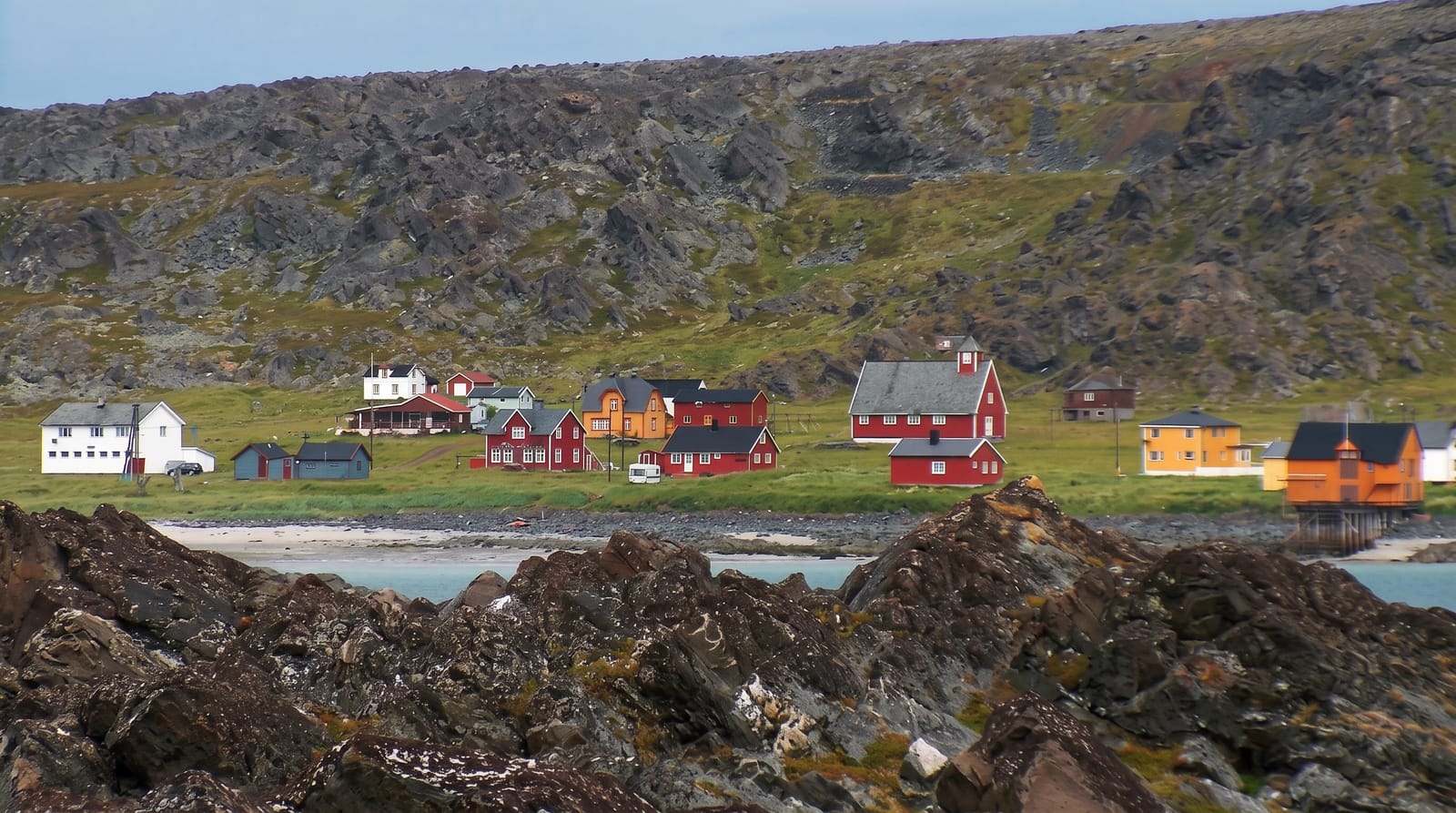
Red-roofed houses on a Namhae hillside, built by Koreans who went to work in Germany in the 1960s and came home.
Updated 25 August 2026
In the 1960s and 70s South Korea sent workers to West Germany under a labour agreement - miners and, in larger numbers, nurses - and the wages they sent home were a meaningful part of the economy at the time. From 2001 Namhae county offered land on a south-facing slope above the sea to those who wanted to return, on condition the houses were built in German style, and around forty were: white walls, steep red-tiled roofs, materials in some cases shipped from Germany. People live in them. There is a small emigration history museum explaining the labour agreement and what the work was actually like, and an annual Oktoberfest that has become the county's biggest event. The sea view from the slope is excellent. It is an odd place, and the substance of it is the history rather than the architecture - go to the museum, or the houses are just houses.
What to look for
- The red-roofed houses - about forty, built in German style, lived in.
- The emigration museum - the labour agreement and the miners and nurses.
- The sea view - the south-facing slope over Namhae's coast.
- Oktoberfest - the county's largest annual event, in autumn.
When to go
April to June and October, with the Oktoberfest weekend the busiest by far. Weekday mornings are quiet.
Things to know
Residents live here and ask visitors not to enter gardens or photograph into windows. Without the museum it is a small estate of European-looking houses. Parking is limited.
Nearby
Daraengi terraced village and Boriam hermitage are elsewhere on Namhae.
Key facts
Source: Wikidata, item Q1234724, read on 18 October 2026.
What to pack for Namhae German Village
Chosen from what this place is for. Tap a kit for the full checklist.
- Comfortable walking shoes - Sightseeing means kilometres of pavement and cobbles daily. Find on Amazon
- A slim anti-theft daypack - Zips that close properly; keep it in front in crowds and on transit. Find on Amazon
- A refillable water bottle - Many cities have public fountains; save money and plastic. Find on Amazon
- A light layer + compact umbrella - For museum air-con and a sudden shower. Find on Amazon
Some links on this page are Amazon affiliate links - if you buy through them we may earn a small commission at no extra cost to you.
All packing kitsPlan your trip
Where to start if Namhae German Village is going on the list.
Booking links on this page are affiliate links - if you book through them we may earn a small commission at no extra cost to you. It never changes what we write about a place.
Opening times, ticket prices and seasonal closures change - check the official source before you go: official site.