Sighisoara
A perfectly preserved medieval citadel - one of the last inhabited fortified towns in Europe, a UNESCO gem of cobbled lanes, pastel houses and a famous clock tower, by tradition the birthplace of Vlad the Impaler.
Updated 18 October 2026
AI illustration
UNESCO World Heritage
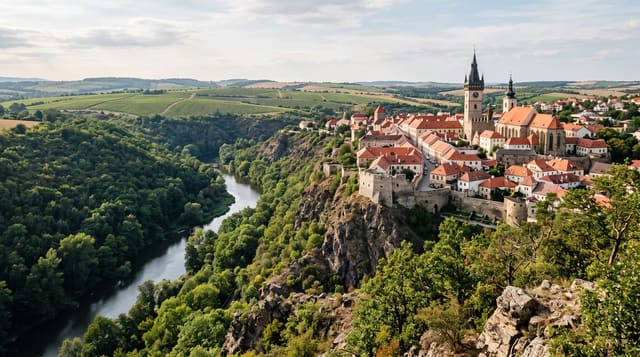
Sighisoara is one of the most beautiful and best-preserved medieval towns in Europe, a UNESCO gem and one of the very few still-inhabited fortified citadels on the continent. Built by Saxon settlers, its hilltop old town is a fairytale of steep cobbled lanes, pastel-painted burgher houses, defensive towers and the iconic Clock Tower, all enclosed by old walls. It is also known, by tradition and in the account of the historian Radu Florescu, as the birthplace of Vlad the Impaler, the historical figure behind the Dracula legend; his father lived here in exile from 1431 to 1435.
History
From the mid-12th century King Géza II of Hungary invited German craftsmen and merchants, the Transylvanian Saxons, to settle and guard his frontier, and the chronicler Krauss lists a Saxon settlement here by 1191; a document of 1280 records a town on the site of a Roman fort as Castrum Sex, the six-sided camp, by 1337 it was a royal centre, and in 1367 it received urban status as Civitas de Segusvar. German artisans dominated the town and built its fortifications, and in the 16th and 17th centuries it had as many as 15 guilds; the Wallachian voivode Vlad Dracul, father of Vlad the Impaler, lived here in exile, minted coins, and issued the first document with the Romanian name Sighișoara, attested in 1435. George I Rákóczi was elected Prince of Transylvania here in 1631, the town suffered occupation, fires and plague in the 17th and 18th centuries, and its old town has been a World Heritage Site since 1999 (Wikipedia, Sighișoara).
What you'll find
- The Clock Tower - the iconic tower with its figures and museum.
- The citadel lanes - the steep cobbled streets and pastel houses.
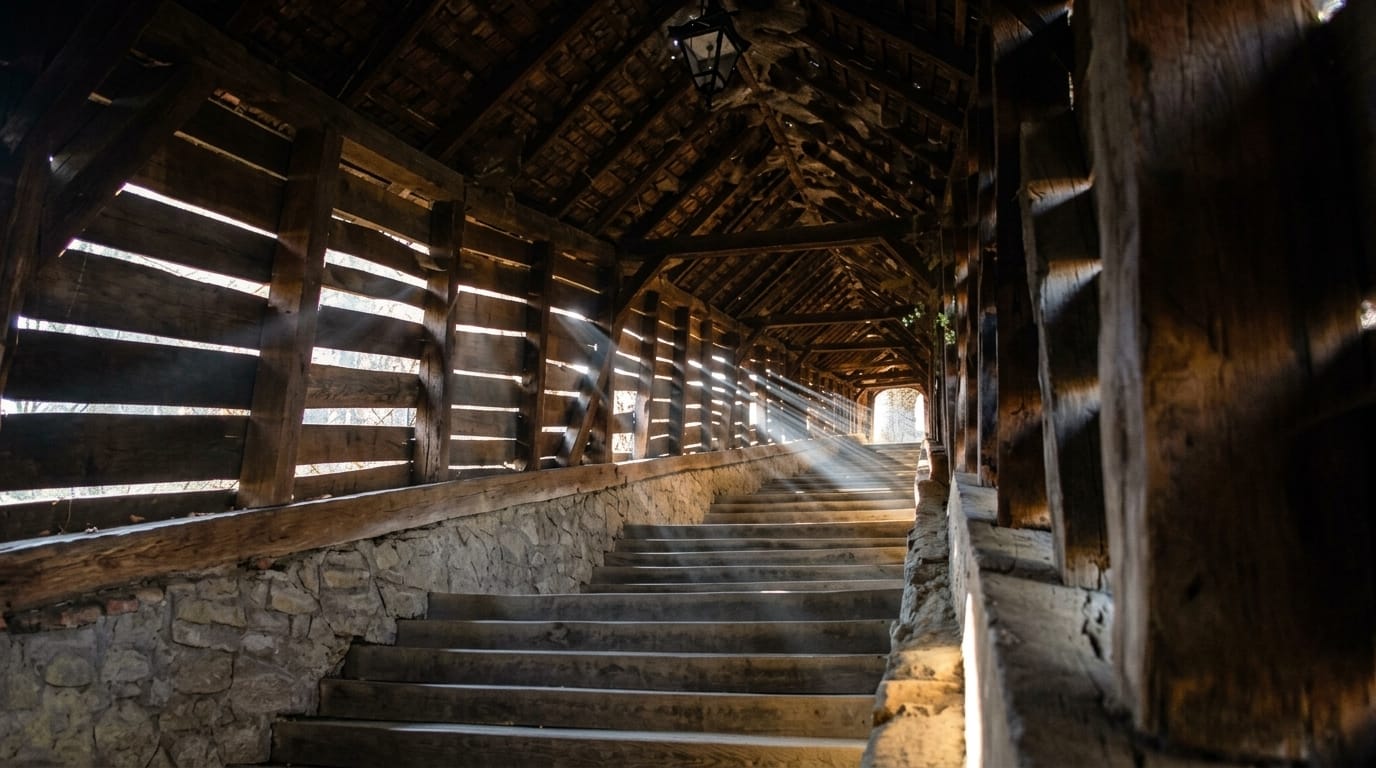
- The covered stairway - the wooden Scholars' Stairs to the hilltop church.
- Vlad's house - the house where, by tradition, Vlad Dracul lived in exile and his son Vlad the Impaler was born.
When to go
May to September for the best weather; go early or stay overnight to enjoy the citadel once the day-trippers leave, as it is small and popular. A medieval festival in summer brings the town to life, though it draws crowds.
Good to know
It is small, so the citadel is seen in a few hours, and it can be busy with day-trippers and tour groups; staying overnight or arriving early gives it a magical, quiet atmosphere. The Vlad connection is played up for tourists. Its genuine, lived-in medieval beauty, though, is unmatched, and it is a highlight of any Transylvania trip.
Nearby
Brasov, the fortified Saxon churches and the Transylvania region are within reach.
Key facts
Source: Wikidata, item Q193001, read on 18 October 2026.
What to pack for Sighisoara
Chosen from what this place is for. Tap a kit for the full checklist.
- Comfortable walking shoes - Sightseeing means kilometres of pavement and cobbles daily. Find on Amazon
- Shelter suited to the place - Tent, tarp or hut booking - match it to the terrain and rules. Find on Amazon
- A slim anti-theft daypack - Zips that close properly; keep it in front in crowds and on transit. Find on Amazon
- A warm sleeping bag + mat - Rated a little colder than you expect the nights to be. Find on Amazon
Some links on this page are Amazon affiliate links - if you buy through them we may earn a small commission at no extra cost to you.
All packing kitsPlan your trip
Where to start if Sighisoara is going on the list.
Booking links on this page are affiliate links - if you book through them we may earn a small commission at no extra cost to you. It never changes what we write about a place.
Opening times, ticket prices and seasonal closures change - check the official source before you go: official site.