Las Cabezas de San Juan
A headland reserve at the island's northeast corner packing seven ecosystems and an 1880s lighthouse into three hundred acres.
Updated 22 October 2026
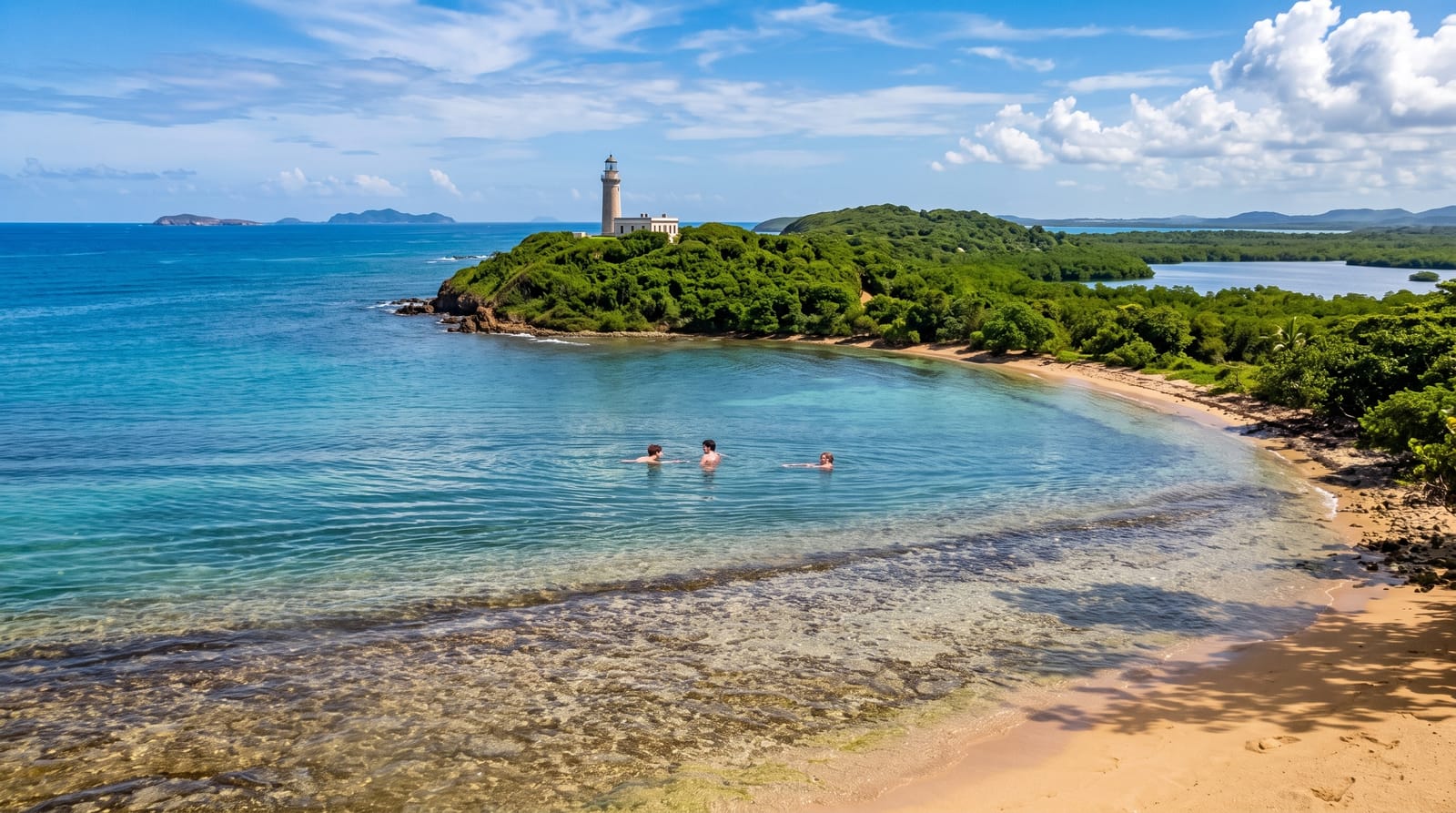
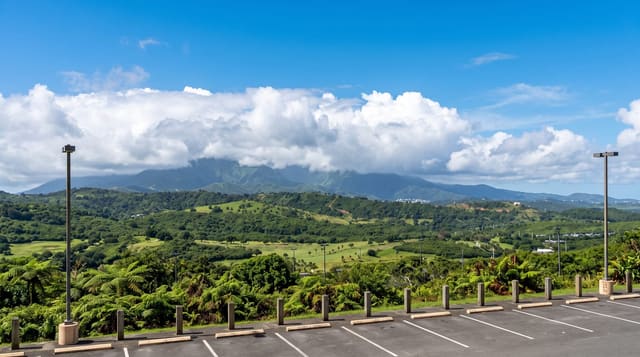
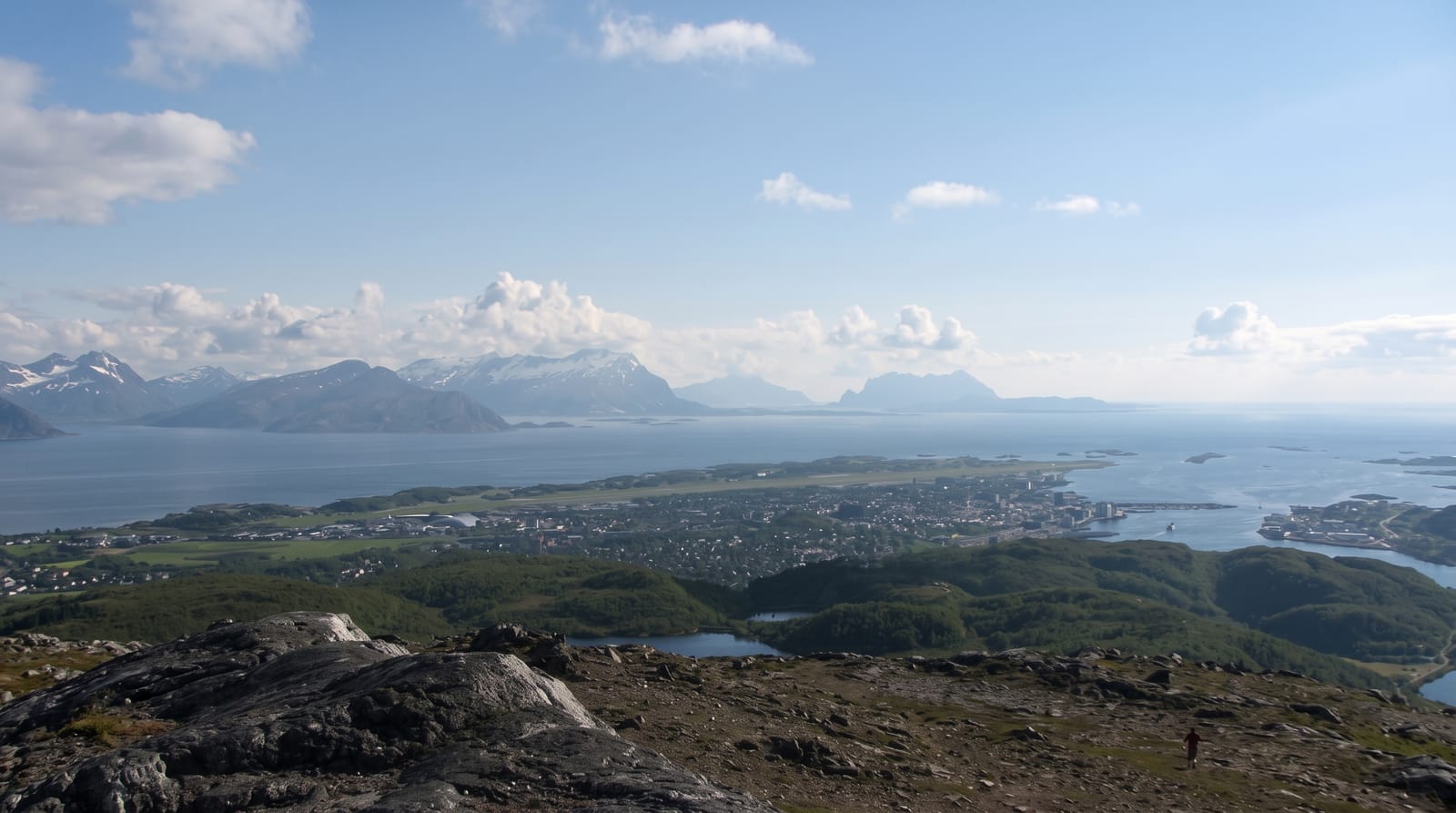
AI illustration
This headland at the northeastern tip of the island is small, around three hundred acres, and holds an unusual density of habitats: dry forest, mangrove, coral reef, seagrass, beach, rocky shore and the bioluminescent lagoon, all within a short walk of each other, which is why the conservation trust that runs it uses the place as an outdoor classroom. Boardwalks cross the mangrove and lagoon edge. At the point stands El Faro, a neoclassical lighthouse of 1882 that is among the oldest working lights in the Caribbean, with an observation deck looking across to Culebra, Vieques and, on a clear day, the British and American Virgin Islands.
History
The Taíno lived here when the Spanish arrived, and finds suggest the headland was an entry point for pre-Columbian trade. Fajardo was founded nearby in 1760, the Conservation Trust of Puerto Rico acquired the peninsula in 1975 and it became a nature reserve in 1986; Hurricane Hugo crossed it on 18 September 1989 (Wikipedia, Las Cabezas de San Juan (Puerto Rico)).
The landscape
- El Faro - the 1882 lighthouse and its observation deck.
- The boardwalks - crossing mangrove and the edge of the glowing lagoon.
- Seven ecosystems - from dry forest to reef within a short walk.
- The islands view - Culebra, Vieques and the Virgin Islands on a clear day.
When to go
December to April is drier and clearer for the long views. Visits are by reservation on a guided schedule and the reserve has restricted operating days, so book before travelling. Mornings are cooler and clearer.
Before you go
Access is guided and by reservation only, on limited days, and the reserve has been closed or partly closed for long stretches since the 2017 hurricanes; confirm it is open. Tours are often in Spanish. The lighthouse deck is sometimes closed even when the reserve is not.
Nearby
Laguna Grande is within the reserve; Seven Seas beach is next door.
Key facts
Source: Wikidata, item Q49549418, read on 18 October 2026.
What to pack for Las Cabezas de San Juan
Chosen from what this place is for. Tap a kit for the full checklist.
- Broken-in walking shoes or boots - Grip and ankle support matter more than looks; never hike in brand-new boots. Find on Amazon
- Reef-safe sunscreen - High SPF that will not bleach the coral you are swimming over. Find on Amazon
- Spare batteries + cards - Cold and long shoots drain power; never run out at the good light. Find on Amazon
- Layers + a waterproof shell - Mountain weather turns fast; a packable rain jacket saves the day. Find on Amazon
Some links on this page are Amazon affiliate links - if you buy through them we may earn a small commission at no extra cost to you.
All packing kitsPlan your trip
Where to start if Las Cabezas de San Juan is going on the list.
Booking links on this page are affiliate links - if you book through them we may earn a small commission at no extra cost to you. It never changes what we write about a place.
Opening times, ticket prices and seasonal closures change - check the official source before you go: official site.