Cayo Icacos and La Cordillera
A chain of uninhabited cays off Fajardo with white sand and clear reef, reached by catamaran or a short boat ride.
Updated 2 September 2026
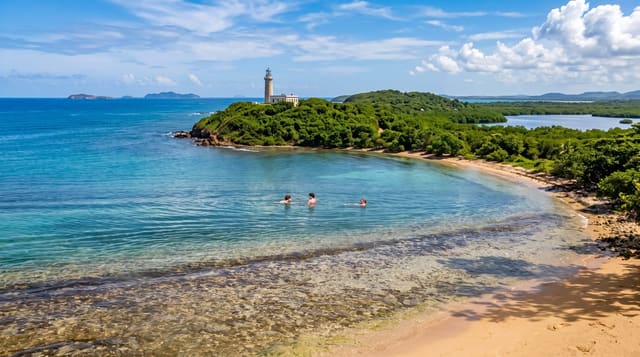
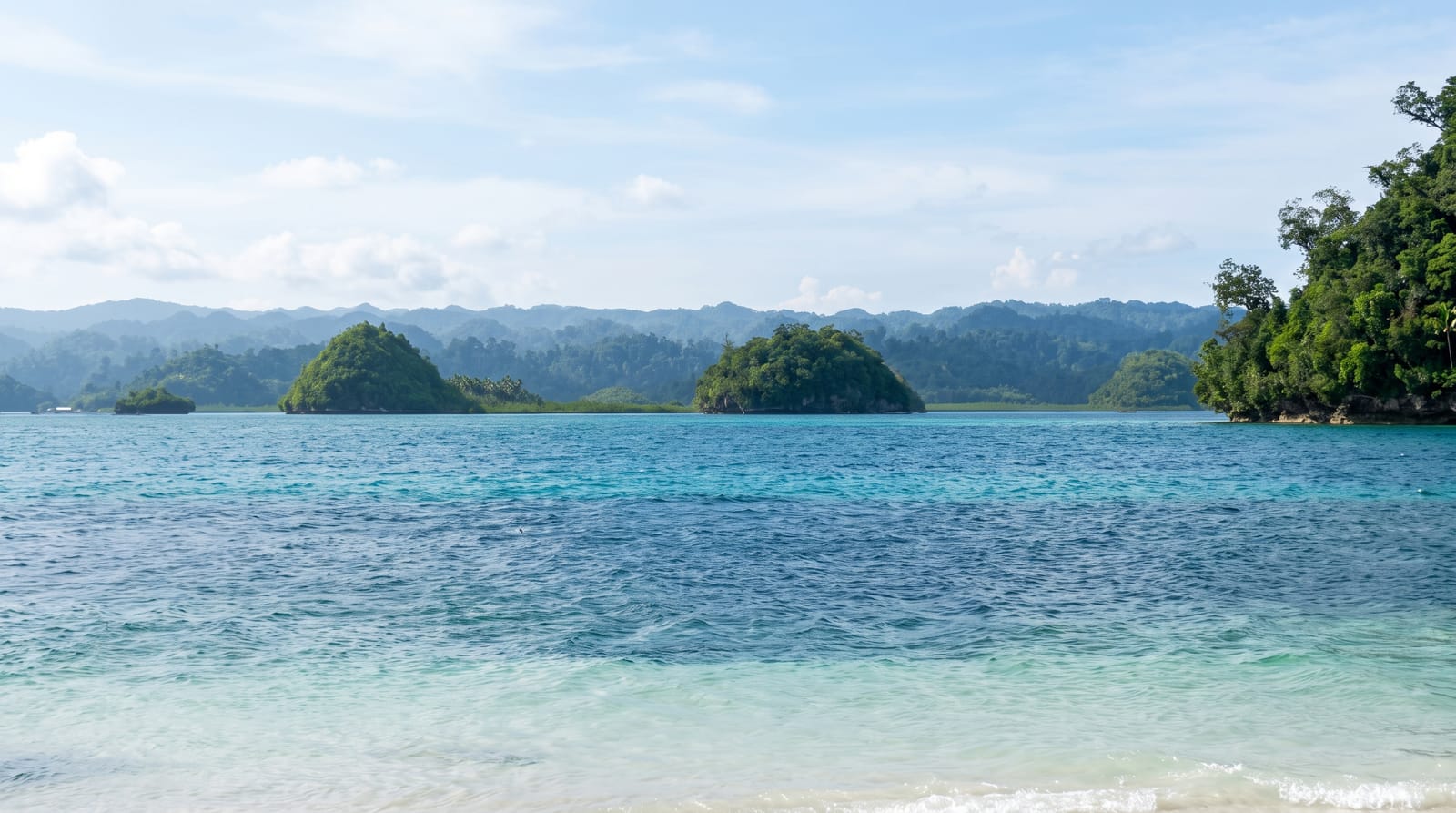
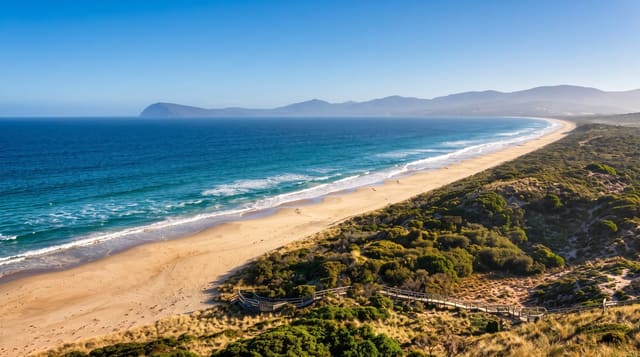
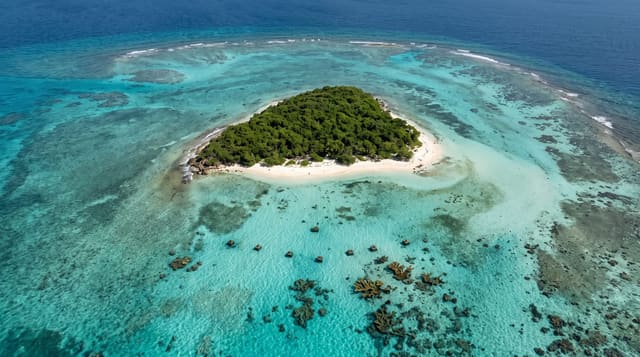
La Cordillera is a string of small uninhabited cays running east from Fajardo, protected as a nature reserve, and Icacos is the largest and the one most trips head for: a low sandy island with a long white beach on its sheltered side and reef close enough to swim to from shore. There are no facilities of any kind, which is the appeal, and boats anchor off while people wade in. Palominitos, smaller still, is a sandbar with a handful of palms that has become the standard postcard. Terns and pelicans nest on the outer cays, and green turtles feed in the seagrass. Catamarans run day trips with gear included, and local boatmen do drop-offs.
What's there
- Icacos beach - a long white sand beach with no buildings on it.
- Palominitos - the tiny palm-topped sandbar off Palomino.
- Snorkelling the reef - coral close in from the shore.
- Nesting seabirds - terns and pelicans on the outer cays.
When to go
December to April has the calmest water and clearest visibility, though the winter trade winds can be strong. Weekends bring local boats in numbers and the beach at Icacos fills. Trips are cancelled in swell.
Practical notes
There is no shade, no water, no toilet and no lifeguard on any of the cays, so everything comes with you and rubbish goes back. Weekend crowds and music from anchored boats change the character completely. Reef damage from anchoring is visible in places. Sun exposure here catches people out badly.
Nearby
Fajardo is the departure port; Culebra and Vieques are further east.
What to pack for Cayo Icacos and La Cordillera
Chosen from what this place is for. Tap a kit for the full checklist.
- Reef-safe sunscreen - High SPF that will not bleach the coral you are swimming over. Find on Amazon
- Your own mask + snorkel - A well-fitting mask is the single biggest comfort upgrade underwater. Find on Amazon
- Binoculars - The single best wildlife tool - even a compact pair transforms a sighting. Find on Amazon
- Quick-dry towel - A microfibre towel packs small and dries in minutes. Find on Amazon
Some links on this page are Amazon affiliate links - if you buy through them we may earn a small commission at no extra cost to you.
All packing kitsPlan your trip
Where to start if Cayo Icacos and La Cordillera is going on the list.
Booking links on this page are affiliate links - if you book through them we may earn a small commission at no extra cost to you. It never changes what we write about a place.
Opening times, ticket prices and seasonal closures change - check the official source before you go: official site.