Bandurria
Coastal mounds beside a wetland near Huacho, contemporary with Caral and built by people living on fish and cotton.
Updated 28 August 2026
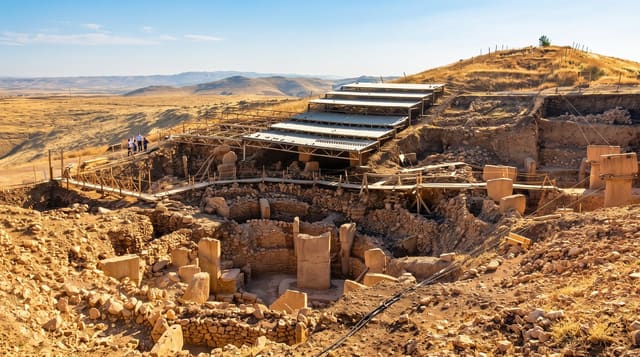
Bandurria sits on the coast beside the Albufera de Medio Mundo wetland, a group of mounds and sunken circular plazas dating to roughly 3000 to 2000 BC, which puts it among the oldest monumental sites in the Americas and contemporary with the Caral complex inland. It matters to the debate about how Andean civilisation began: the people here lived primarily on marine resources with cotton for nets and textiles, supporting the argument that monumental building on this coast was funded by fishing rather than by farming staple crops. Excavation has produced a burial with a woman wrapped in textiles, plus reed matting, gourds and shell. The site was damaged by a road, by informal farming and by sand extraction before it was properly protected, and it remains lightly presented, with mounds, exposed stone walls and a sunken plaza visible on the ground.
The main sights
- The mounds - platform structures from around 3000 to 2000 BC.
- The sunken plaza - a circular court of the type shared with Caral.
- The maritime basis - a society built on fishing and cotton, not grain agriculture.
- The wetland - the Albufera de Medio Mundo lagoon beside the site.
When to go
Year-round; grey coastal cloud from June to October. One to two hours. Confirm access locally, as staffing is irregular.
Good to know
Little presented for visitors and often unstaffed. The remains are low walls and mounds that need explanation. Damage from earlier road building and sand extraction is visible. Sun, wind and no shade.
Nearby
The Albufera de Medio Mundo is adjacent; Huacho is south and the Supe valley north.
What to pack for Bandurria
Chosen from what this place is for. Tap a kit for the full checklist.
- Travel rod + reel - A packable multi-piece rod fits in a case and covers most holiday fishing. Find on Amazon
- Reef-safe sunscreen - High SPF that will not bleach the coral you are swimming over. Find on Amazon
- Comfortable walking shoes - Sightseeing means kilometres of pavement and cobbles daily. Find on Amazon
- A small tackle selection - Hooks, weights, line and a few lures or flies suited to local waters. Find on Amazon
Some links on this page are Amazon affiliate links - if you buy through them we may earn a small commission at no extra cost to you.
All packing kitsPlan your trip
Where to start if Bandurria is going on the list.
Booking links on this page are affiliate links - if you book through them we may earn a small commission at no extra cost to you. It never changes what we write about a place.
Opening times, ticket prices and seasonal closures change - check the official source before you go: official site.