Sarigua
A cracked salt desert on the Azuero coast, made by deforestation rather than climate, and one of the oldest places of human settlement in Panama.
Updated 21 October 2026

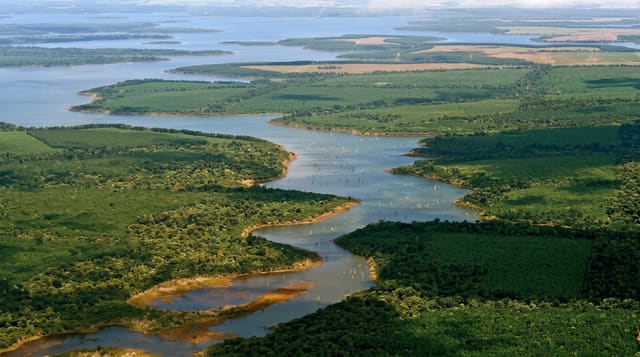
AI illustration
Sarigua is often called a desert and it looks like one, a cracked plain of pale salt-crusted earth cut into gullies with almost nothing growing on it, but the rainfall here is not desert rainfall. It is an albina, a coastal salt flat, and the bare ground around it is largely the result of centuries of clearance, grazing and the resulting erosion and salinisation, which makes it a lesson rather than a landscape. The area also has one of the longest records of human settlement in Panama, more than eleven thousand years, and mangrove survives along the coastal edge.
What you'll find
- The cracked salt plain - pale ground cut into gullies with nothing on it.
- The archaeology - more than eleven thousand years of human settlement.
- The mangrove edge - surviving forest along the coast.
- The lesson - a landscape produced by clearance rather than climate.
When to go
December to April is the dry season, when the ground is at its most cracked and the light hardest. Early morning and late afternoon are the only comfortable hours; there is no shade at all. It takes about two hours.
Before you go
There is very little here in conventional terms: a bare eroded plain, a small interpretation centre that is often unstaffed, and no facilities. It is genuinely hot and exposed. Visitors expecting a true desert will find degraded farmland, which is the point but is not scenic. Signage is minimal.
Nearby
Chitré is twenty minutes south; the Azuero towns are beyond.
Key facts
Source: Wikidata, item Q16556348, read on 18 October 2026.
What to pack for Sarigua
Chosen from what this place is for. Tap a kit for the full checklist.
- Broken-in walking shoes or boots - Grip and ankle support matter more than looks; never hike in brand-new boots. Find on Amazon
- Binoculars - The single best wildlife tool - even a compact pair transforms a sighting. Find on Amazon
- Loose, light, long clothing - Covering up beats bare skin in the desert - and locals dress this way for a reason. Find on Amazon
- Layers + a waterproof shell - Mountain weather turns fast; a packable rain jacket saves the day. Find on Amazon
Some links on this page are Amazon affiliate links - if you buy through them we may earn a small commission at no extra cost to you.
All packing kitsPlan your trip
Where to start if Sarigua is going on the list.
Booking links on this page are affiliate links - if you book through them we may earn a small commission at no extra cost to you. It never changes what we write about a place.
Opening times, ticket prices and seasonal closures change - check the official source before you go: official site.