Fuerte San Lorenzo
A Spanish fort on a cliff at the mouth of the Chagres, sacked repeatedly and now standing almost alone in the forest.
Updated 21 October 2026
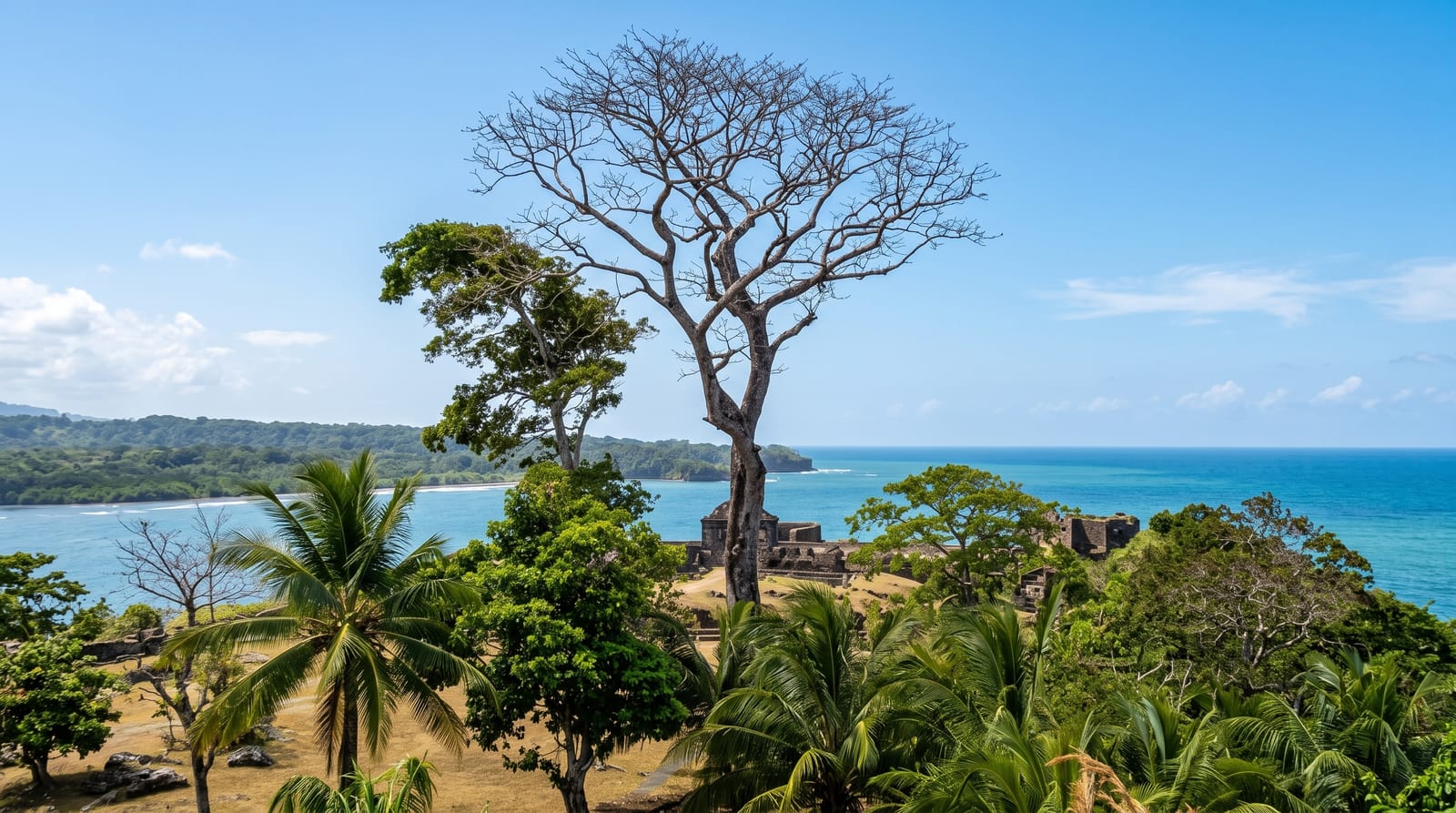
AI illustration
UNESCO World Heritage
San Lorenzo stands on a cliff some twenty-five metres above the mouth of the Chagres, which was the river route inland toward the silver road, and that made it a target: it was attacked and burned repeatedly across two centuries, most famously at the end of 1670 when Henry Morgan took it as the opening move of a raid across the isthmus. The fort that survives is largely eighteenth century, cut into the rock with a dry moat, vaulted magazines and cannon still on the ramparts, and it is inscribed by UNESCO along with Portobelo. It sits inside a protected forest, so howler monkeys and toucans are often louder than the visitors.
What's there
- The clifftop position - some twenty-five metres above the Chagres mouth.
- The dry moat and vaults - cut into the rock behind the walls.
- The cannon - still on the ramparts facing the river.
- The forest around it - protected, with howlers and toucans.
When to go
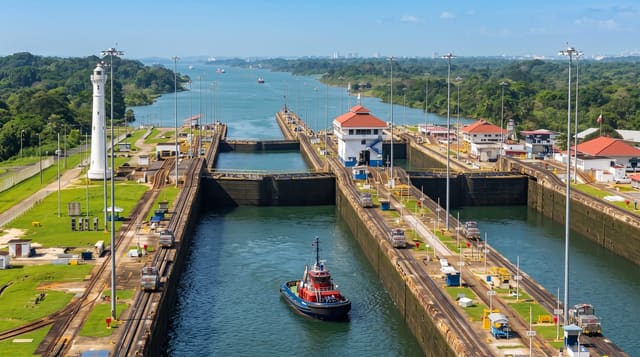
December to April is the dry season and the road better. Mornings are cooler and quieter. Getting there means crossing the canal at the Gatún locks, where the road is held for ship transits, so allow extra time.
Before you go
The site has been on the UNESCO in-danger list because of erosion, vegetation and lack of maintenance, and parts have been fenced off. The road crosses the locks and can be closed for transits with no notice. Colón nearby has a serious crime problem; go direct and do not linger in the city.
Nearby
The Gatún and Agua Clara locks are on the way; Portobelo is east along the coast.
Key facts
Source: Wikidata, item Q1034179, read on 18 October 2026.
What to pack for Fuerte San Lorenzo
Chosen from what this place is for. Tap a kit for the full checklist.
- Comfortable walking shoes - Sightseeing means kilometres of pavement and cobbles daily. Find on Amazon
- A slim anti-theft daypack - Zips that close properly; keep it in front in crowds and on transit. Find on Amazon
- A refillable water bottle - Many cities have public fountains; save money and plastic. Find on Amazon
- A light layer + compact umbrella - For museum air-con and a sudden shower. Find on Amazon
Some links on this page are Amazon affiliate links - if you buy through them we may earn a small commission at no extra cost to you.
All packing kitsPlan your trip
Where to start if Fuerte San Lorenzo is going on the list.
Booking links on this page are affiliate links - if you book through them we may earn a small commission at no extra cost to you. It never changes what we write about a place.
Opening times, ticket prices and seasonal closures change - check the official source before you go: official site.