Raspao and Street Food
Shaved ice with syrup and condensed milk from a handcart, alongside the fried repertoire sold outside every school and office.
Updated 2 September 2026
The raspao cart is a fixture of Panamanian streets: a block of ice shaved by hand with a plane, packed into a cup, doused in coloured syrup and then finished with a stream of sweetened condensed milk, which is the part that makes it Panamanian. Around it runs the wider street repertoire: hojaldras, fried dough eaten at breakfast; carimañolas, cassava rolls filled with meat and fried; empanadas; tortillas de maíz, thick fried corn discs quite unlike the Mexican kind; and chicheme, a thick drink of cracked corn, milk and cinnamon that is a meal in itself.
What's there
- The raspao cart - ice shaved by hand and finished with condensed milk.
- Hojaldras - fried dough, the breakfast standard.
- Carimañolas - fried cassava rolls filled with meat.
- Chicheme - cracked corn, milk and cinnamon, drunk cold.
When to go
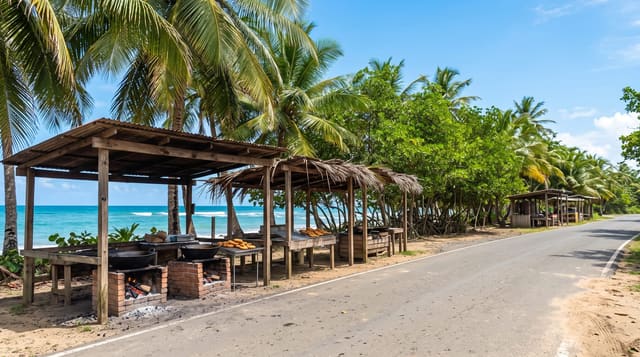
Year-round. Raspao carts work through the hot part of the day. Fried breakfast items are sold from early morning and gone by mid-morning. Chicheme is associated with La Chorrera, where a roadside stretch sells it to passing traffic.
Before you go
Raspao ice is made from tap water and hygiene at carts varies; the busy ones are the safer bet. The fried items are heavy and the oil at cheap stands is not always fresh. Chicheme is much thicker than visitors expect and is closer to a porridge than a drink.
Nearby
Carts on streets in every town; La Chorrera for chicheme.
What to pack for Raspao and Street Food
Chosen from what this place is for. Tap a kit for the full checklist.
- A reusable bag or container - For market produce and cutting down on packaging. Find on Amazon
- Wet wipes + hand sanitiser - Street food and washbasins do not always go together. Find on Amazon
Some links on this page are Amazon affiliate links - if you buy through them we may earn a small commission at no extra cost to you.
All packing kitsPlan your trip
Where to start if Raspao and Street Food is going on the list.
Booking links on this page are affiliate links - if you book through them we may earn a small commission at no extra cost to you. It never changes what we write about a place.
Opening times, ticket prices and seasonal closures change - check the official source before you go: official site.