Corvina and Panamanian Seafood
A country with two oceans and a fish, corvina, that appears on almost every menu, alongside octopus in coconut and fried whole snapper.
Updated 2 September 2026
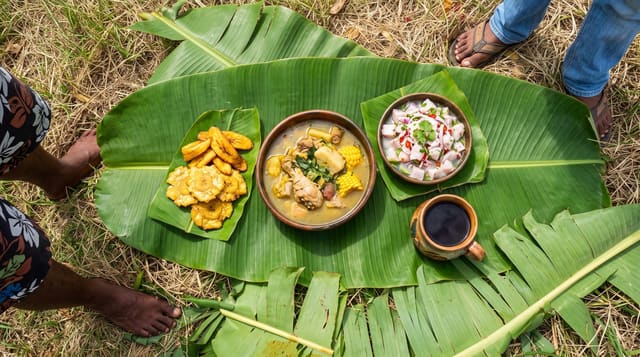
Panama has coastline on two oceans and a fishing industry on both, and one fish dominates: corvina, a Pacific drum, firm-fleshed and mild, which appears cured in ceviche, fried whole, grilled, or in a garlic sauce on essentially every menu in the country. Around it sit the coastal specialities that differ by sea: on the Caribbean side, octopus and fish in coconut milk with a heavy hand of culantro and pepper, a Guna and Afro-Caribbean tradition; on the Pacific, fried whole snapper with patacones, twice-fried green plantain, and a bowl of ceviche to start.
The main sights
- Corvina - the Pacific fish on every menu, cured, fried or grilled.
- Pescado en coco - Caribbean-side fish in coconut milk.
- Fried whole snapper - the Pacific coast standard, with patacones.
- Ceviche - lime-cured and sold by the cup at markets.
When to go
Year-round. Coastal fondas serve the day's landing at lunch and are done by mid-afternoon. Lobster has a closed season and should not appear on menus during it. Ceviche is best in the morning and early afternoon.
Before you go
Corvina is so ubiquitous that it becomes monotonous after a week. Overfishing in the Panamanian Pacific is a documented problem and some species on menus are under real pressure. Lobster closed seasons exist and are not always observed by restaurants. Ceviche hygiene varies at street counters.
Nearby
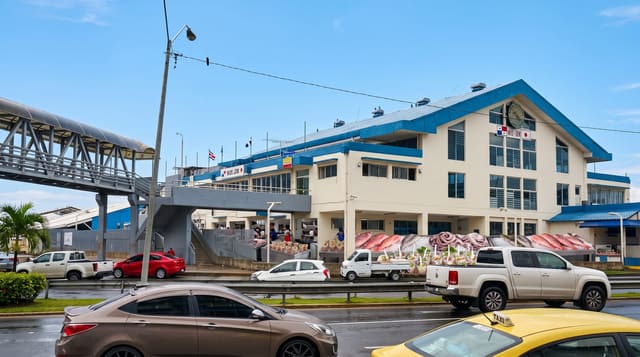
The Mercado de Mariscos in Panama City; coastal fondas on both seas.
What to pack for Corvina and Panamanian Seafood
Chosen from what this place is for. Tap a kit for the full checklist.
- Travel rod + reel - A packable multi-piece rod fits in a case and covers most holiday fishing. Find on Amazon
- A reusable bag or container - For market produce and cutting down on packaging. Find on Amazon
- A small tackle selection - Hooks, weights, line and a few lures or flies suited to local waters. Find on Amazon
- Wet wipes + hand sanitiser - Street food and washbasins do not always go together. Find on Amazon
Some links on this page are Amazon affiliate links - if you buy through them we may earn a small commission at no extra cost to you.
All packing kitsPlan your trip
Where to start if Corvina and Panamanian Seafood is going on the list.
Booking links on this page are affiliate links - if you book through them we may earn a small commission at no extra cost to you. It never changes what we write about a place.
Opening times, ticket prices and seasonal closures change - check the official source before you go: official site.