Khunjerab National Park
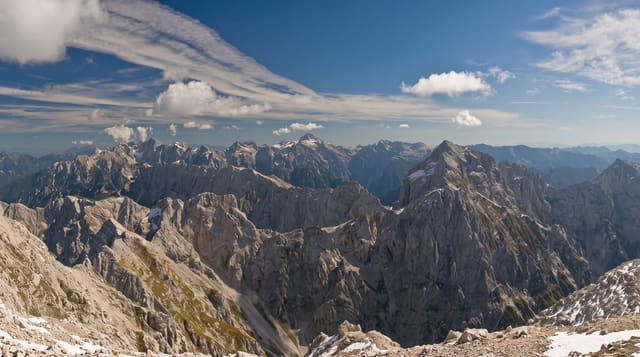
High-altitude plateau country along the upper Karakoram Highway, protecting ibex, blue sheep and snow leopard around the 4,700-metre pass.
Updated 21 October 2026
Khunjerab was established in 1975 to protect the high country along the border, and the Karakoram Highway runs straight through it, which makes it one of the few places where genuinely high-altitude wildlife can be seen from a vehicle. Above Sost the valley opens into rolling tundra and the road climbs steadily to the Khunjerab Pass at around 4,700 metres, the paved border crossing into China and a destination in itself for the gate photographs and the thin-air giddiness. Ibex are seen regularly from the road, golden marmots whistle from the verges, and blue sheep graze the slopes; the park is also core snow leopard habitat, though sightings are rare. Yaks belonging to the Wakhi communities graze under agreement inside the park. Weather changes fast at this altitude and snow can fall in any month.
History
In Wakhi, the language of the region, khun means "blood" and jerav "to stream". The park was created mainly to protect the Marco Polo sheep, with snow leopards and bharal: George Schaller of the Wildlife Conservation Society mapped its borders in 1974 after a short survey, it was formally established on 29 April 1975, and in 1988 the Norwegian biologist Per Wegge surveyed its wildlife for the IUCN (Wikipedia, Khunjerab National Park).
What you'll find
- The Khunjerab Pass - the 4,700-metre border gate on the highway.
- Roadside wildlife - ibex, marmots and blue sheep near the tarmac.
- High tundra - open plateau country above the treeline.
- The highway itself - the top section of the great mountain road.
When to go
May to October; the pass is closed by snow through the winter and the border gate operates seasonally. Early morning gives the best wildlife activity and the calmest weather. Even in July, warm clothing is essential at the top.
Good to know
The altitude is the real hazard: driving from Sost to 4,700 metres in an hour brings on headaches and worse for some visitors, and exertion at the pass should be minimal. Facilities are a checkpoint and little else. Snow leopard sightings are a lottery not to be promised. The pass itself is a road gate with a border fence, not a scenic summit.
Nearby
Sost is the last town; Chapursan and Shimshal valleys branch off below.
Key facts
Source: Wikidata, item Q1740711, read on 18 October 2026.
What to pack for Khunjerab National Park
Chosen from what this place is for. Tap a kit for the full checklist.
- Broken-in walking shoes or boots - Grip and ankle support matter more than looks; never hike in brand-new boots. Find on Amazon
- Binoculars - The single best wildlife tool - even a compact pair transforms a sighting. Find on Amazon
- Warm base layers - Merino or synthetic against the skin - never cotton, which chills when damp. Find on Amazon
- Layers for big temperature swings - Warm sun by day, near-freezing at night, even near the equator. Find on Amazon
Some links on this page are Amazon affiliate links - if you buy through them we may earn a small commission at no extra cost to you.
All packing kitsPlan your trip
Where to start if Khunjerab National Park is going on the list.
Booking links on this page are affiliate links - if you book through them we may earn a small commission at no extra cost to you. It never changes what we write about a place.
Opening times, ticket prices and seasonal closures change - check the official source before you go: official site.