Ancient City of Qalhat
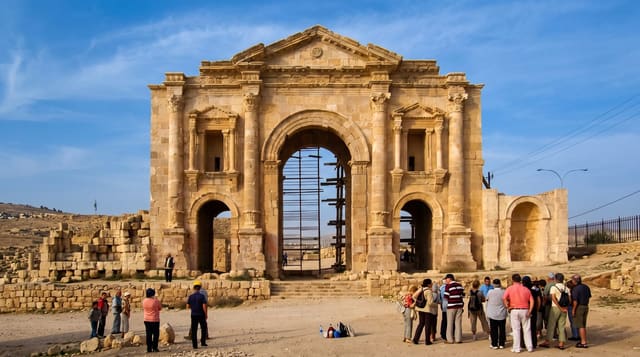
The ruins of a major medieval Indian Ocean port north of Sur, with the Bibi Maryam mausoleum standing above them.
Updated 1 September 2026
UNESCO World Heritage
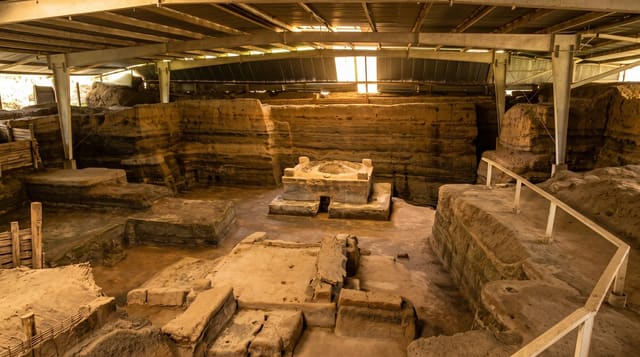
Qalhat was the second city of the kingdom of Hormuz and one of the principal ports of the Indian Ocean between the eleventh and fifteenth centuries, handling horses, dates and goods moving between Arabia, Persia, India and China; Marco Polo and Ibn Battuta both described it. It declined after earthquake damage and a Portuguese attack in 1508. What survives is a walled site on a coastal terrace cut by wadis, with foundations of houses, streets, cisterns and a necropolis, and the standing Bibi Maryam mausoleum, a domed tomb attributed to a woman who governed the city. It was inscribed as a World Heritage site in 2018 and access is controlled, with visits at set times.
What's there
- Bibi Maryam mausoleum - the standing domed tomb above the site.
- The city foundations - streets, houses and cisterns on the terrace.
- The defensive wall - the enclosure around the settlement.
- The coastal setting - the terrace above the sea north of Sur.
When to go
October to April; the coast is very hot and humid in summer. Access is at set times with a guide, so check the current arrangements before travelling. Mornings are cooler on the open site.
Good to know
Access is controlled and independent wandering is not permitted; visits run to a schedule. Almost everything is at foundation level. There is no shade on the terrace. The mausoleum is the only substantial standing structure.
Nearby
Sur lies south; Wadi Tiwi and Wadi Shab are north.
What to pack for Ancient City of Qalhat
Chosen from what this place is for. Tap a kit for the full checklist.
- Strong insect repellent - DEET or picaridin; the jungle is where bites and disease risk are highest. Find on Amazon
- Comfortable walking shoes - Sightseeing means kilometres of pavement and cobbles daily. Find on Amazon
- Long, light, quick-dry clothing - Covers skin from insects and sun without cooking you in the humidity. Find on Amazon
- A slim anti-theft daypack - Zips that close properly; keep it in front in crowds and on transit. Find on Amazon
Some links on this page are Amazon affiliate links - if you buy through them we may earn a small commission at no extra cost to you.
All packing kitsPlan your trip
Where to start if Ancient City of Qalhat is going on the list.
Booking links on this page are affiliate links - if you book through them we may earn a small commission at no extra cost to you. It never changes what we write about a place.
Opening times, ticket prices and seasonal closures change - check the official source before you go: official site.