Juhls Silver Gallery
A silversmith's workshop and gallery built by hand on the tundra above Kautokeino, grown room by room since 1959.
Updated 4 September 2026
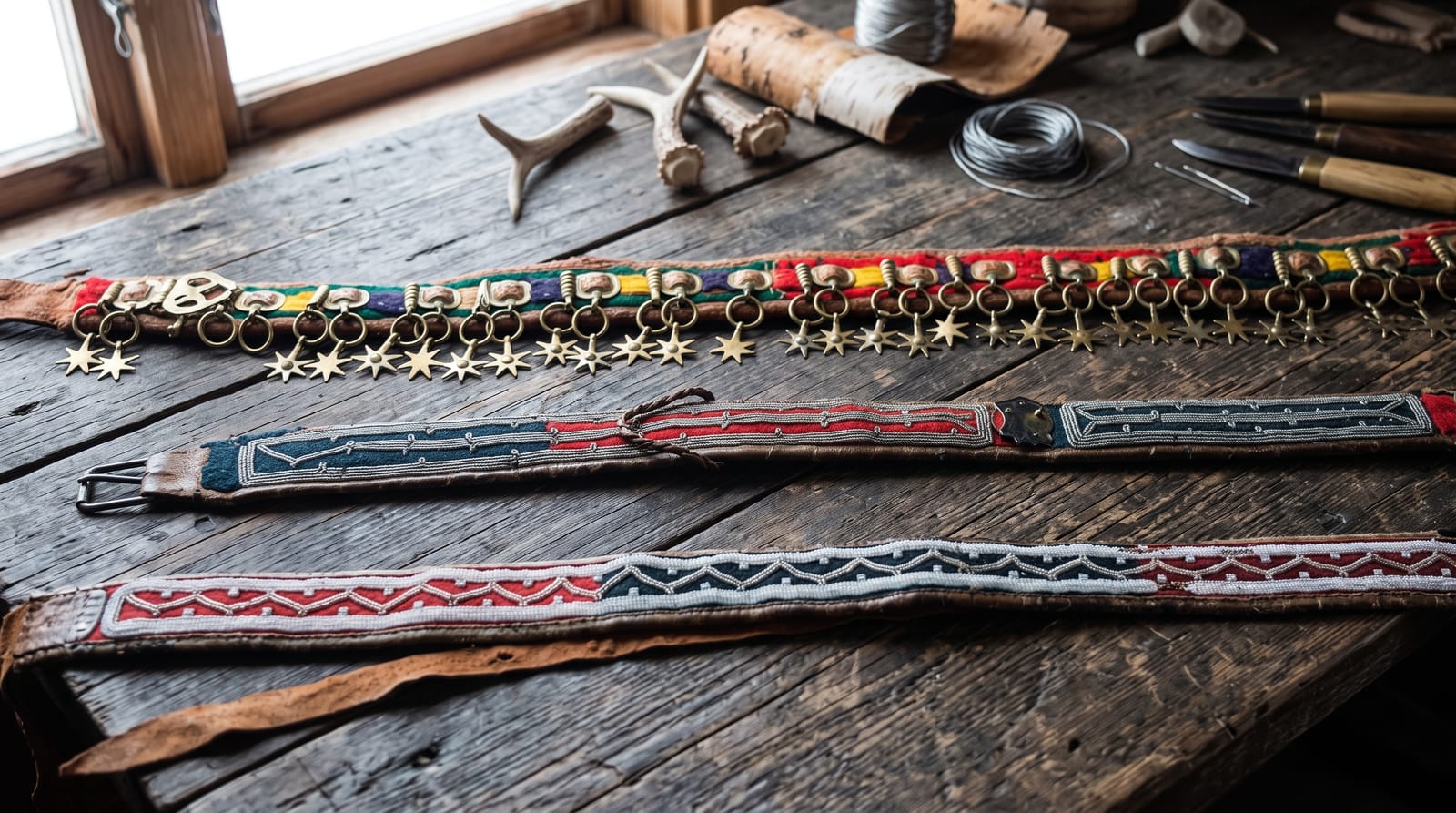
Regine and Frank Juhls, a Danish weaver and a German silversmith, came to Kautokeino in the 1950s, initially to repair silver for Sami families, and began building a house and workshop on the open tundra in 1959. They kept adding to it over decades in an organic way, so the building now rambles through a series of rooms in different styles, with a domed Afghan-influenced hall, timber and turf sections, and windows facing the plateau. It functions as a working silver workshop, a gallery selling their jewellery, and a display of Sami silver, Afghan textiles and art collected on their travels. Guided tours run through the rooms, and the setting, with nothing around it but tundra, is part of the point.
What to look for
- The rambling building - rooms added by hand over six decades.
- The domed hall - an Afghan-influenced space within the complex.
- The silver workshop - jewellery designed and made on site.
- The collections - Sami silver, textiles and art gathered over years.
When to go
June to August for the midnight sun and easiest access; February to April for winter light and the Easter festival period in Kautokeino. The gallery opens year-round but hours are longer in summer.
Practical notes
The gallery is a commercial operation and the jewellery is expensive. It is three kilometres from the village on a track that can be difficult in winter. There is no cafe or other facility beyond the shop.
Nearby
Kautokeino village and the Sami Easter Festival are below; Alta lies two hours north.
What to pack for Juhls Silver Gallery
Chosen from what this place is for. Tap a kit for the full checklist.
- Spare batteries + cards - Cold and long shoots drain power; never run out at the good light. Find on Amazon
- Warm base layers - Merino or synthetic against the skin - never cotton, which chills when damp. Find on Amazon
- Comfortable walking shoes - Sightseeing means kilometres of pavement and cobbles daily. Find on Amazon
- A compact tripod - Essential for night skies, aurora, waterfalls and low light. Find on Amazon
Some links on this page are Amazon affiliate links - if you buy through them we may earn a small commission at no extra cost to you.
All packing kitsPlan your trip
Where to start if Juhls Silver Gallery is going on the list.
Booking links on this page are affiliate links - if you book through them we may earn a small commission at no extra cost to you. It never changes what we write about a place.
Opening times, ticket prices and seasonal closures change - check the official source before you go: official site.