Joik
The Sami song form that does not describe its subject but attempts to be it, suppressed for centuries and now revived.
Updated 4 September 2026

AI illustration
Joik, or luohti in Northern Sami, is one of the oldest continuous vocal traditions in Europe. A joik is not a song about a person, animal or place; the convention is that it is that subject, an attempt to capture and evoke it in sound, which is why Sami speakers say one joiks someone rather than about them. The form is often short, cyclical and without fixed beginning or end, using vocables as much as words. Missionary campaigns and later assimilation policy treated it as pagan and it was banned in schools well into the twentieth century, so a generation grew up not learning it. Since the 1970s it has been revived, taken into contemporary music, and heard at festivals and the Sami Grand Prix.
What you'll find
- The cyclical form - short repeating melodic figures without clear endings.
- The vocables - sound syllables used alongside or instead of words.
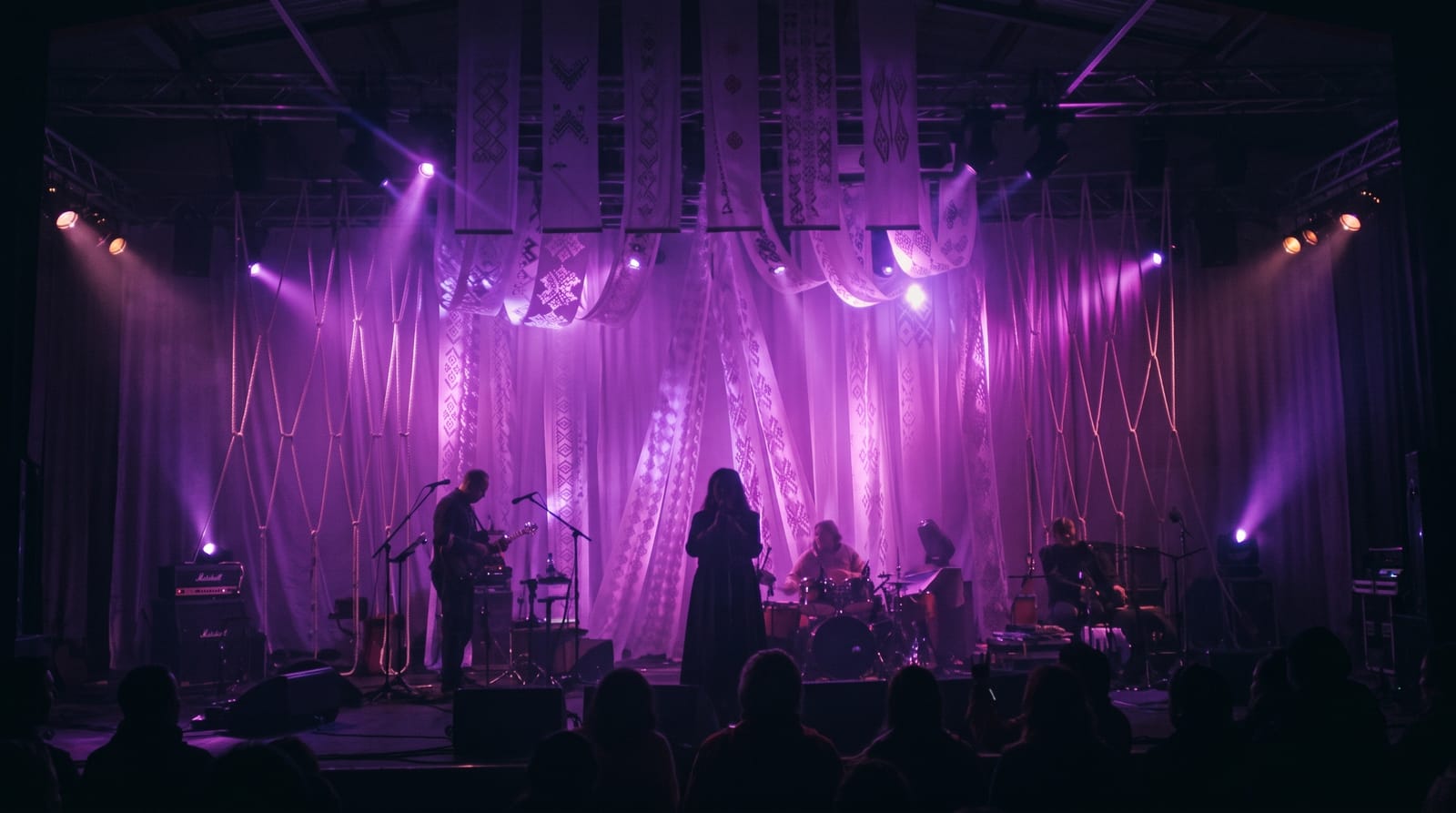
- The festival performances - joik at Riddu Riddu and the Easter festival.
- The contemporary crossover - joik used in modern Norwegian and Sami music.
When to go
Easter in Kautokeino and Riddu Riddu in July are the main occasions to hear it live in a Sami context; concerts and recordings are available year-round in Tromso, Karasjok and elsewhere.
What to expect
Personal joiks belong to the person they are made for, and recording or performing someone's joik without permission is a genuine offence within the culture. The form is unfamiliar to most listeners and takes some adjustment. Much of what tourists encounter is staged rather than social.
Nearby
Kautokeino and Karasjok are cultural centres; Manndalen hosts Riddu Riddu each July.
What to pack for Joik
Chosen from what this place is for. Tap a kit for the full checklist.
- Comfortable walking shoes - Sightseeing means kilometres of pavement and cobbles daily. Find on Amazon
- A slim anti-theft daypack - Zips that close properly; keep it in front in crowds and on transit. Find on Amazon
- A refillable water bottle - Many cities have public fountains; save money and plastic. Find on Amazon
- A light layer + compact umbrella - For museum air-con and a sudden shower. Find on Amazon
Some links on this page are Amazon affiliate links - if you buy through them we may earn a small commission at no extra cost to you.
All packing kitsPlan your trip
Where to start if Joik is going on the list.
Booking links on this page are affiliate links - if you book through them we may earn a small commission at no extra cost to you. It never changes what we write about a place.
Opening times, ticket prices and seasonal closures change - check the official source before you go: official site.